


Japanese
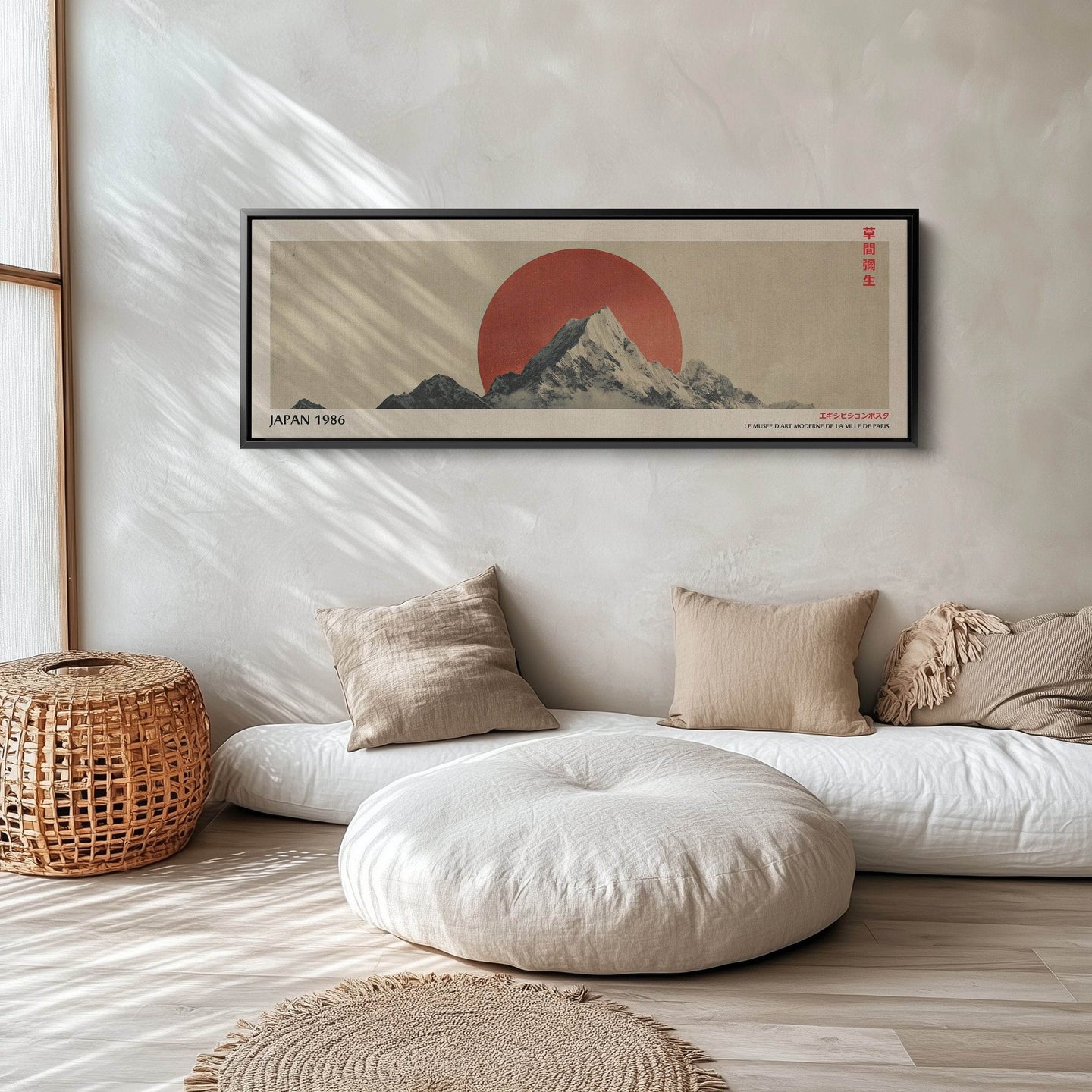
Japanese wall art in long, narrow formats - framed canvas prints inspired by traditional Japanese aesthetics, from cherry blossoms and misty mountains to torii gates, koi and flowing brushstrokes. Tall vertical pieces echo the proportions of traditional hanging scrolls, bringing quiet elegance to hallways, bedrooms and calm, minimalist spaces.
The collection spans Japandi and minimalist styles alongside classic Japanese art prints.


Japanese wall art - frequently asked questions
Sizing, hanging height and the questions we are asked most.
Why is Japanese art often tall and narrow?
Because it descends from the kakemono - the hanging scroll, mounted on silk and hung in an alcove, designed to be tall and slim so it could be rolled and stored. That proportion is still the natural shape for the tradition, which is why a vertical canvas suits Japanese subjects more readily than a square frame does.
What is Japandi style?
Japandi combines Japanese restraint with Scandinavian warmth - natural materials, muted palettes, simple forms and generous empty space. In wall art it means quiet compositions in soft neutrals rather than bright colour, which is why Japandi and traditional Japanese prints sit so comfortably in the same collection.
What subjects are in Japanese wall art?
Cherry blossom, misty mountains, torii gates, koi, cranes and flowing brushwork, alongside more contemporary pieces in the Japandi and minimalist vein. Blossom and mountain scenes are the easiest to place in a bedroom or living room; torii gates and bold brushwork make more of a statement and suit a hallway or study.
Do you sell polka dot or contemporary Japanese wall art?
Yes - the collection includes dot-pattern and organic-form compositions alongside traditional Japanese subjects like blossom, mountains and brushwork. The dotted pieces are bold and graphic, and suit a plain wall where the repetition has room to read. Every design is original, made to order in long horizontal and vertical formats.
What rooms suit Japanese wall art?
Bedrooms and hallways take it most naturally - the vertical scroll proportion suits a narrow wall, and the muted palettes suit a room meant for rest. It also works well in a study or a meditation space. Living rooms suit the wider horizontal mountain and blossom scenes better than the tall scroll formats.


Get inspired
Our Artwork, Your Walls
See how our customers style Ateliér Printworks pieces in their homes. From narrow hallways to statement walls, these spaces show how the right proportions make all the difference.
Let customers speak for us
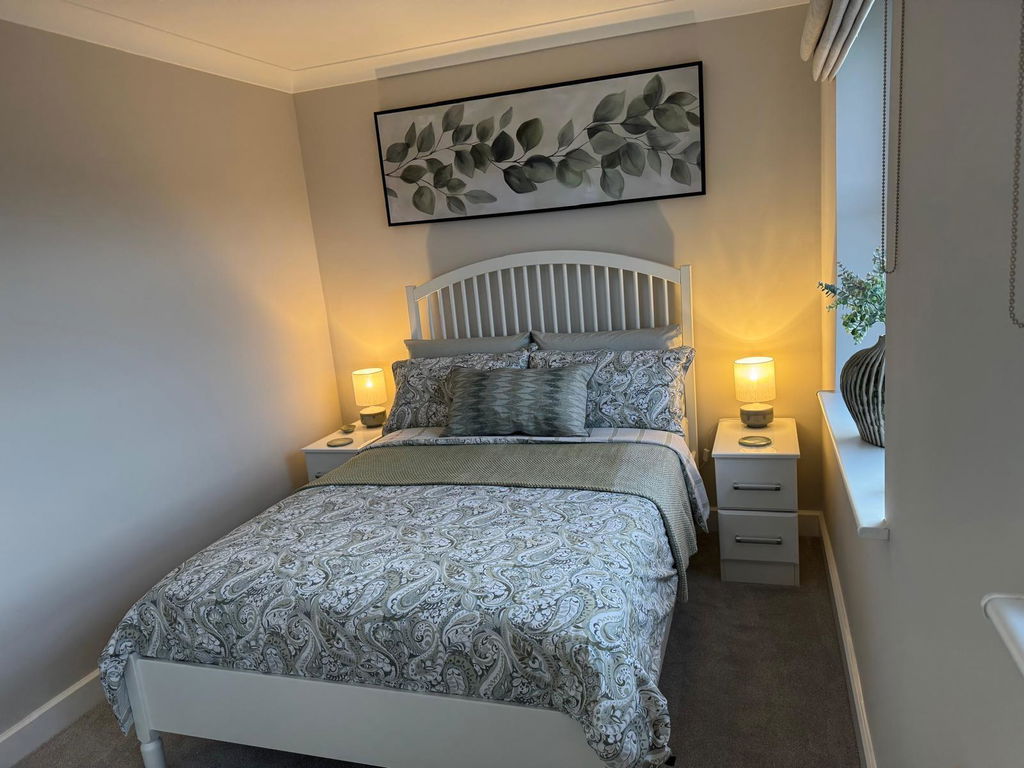
Excellent service, picture looks amazing and arrived very quickly and was very well packaged. Easy to install on the wall and looks superb..
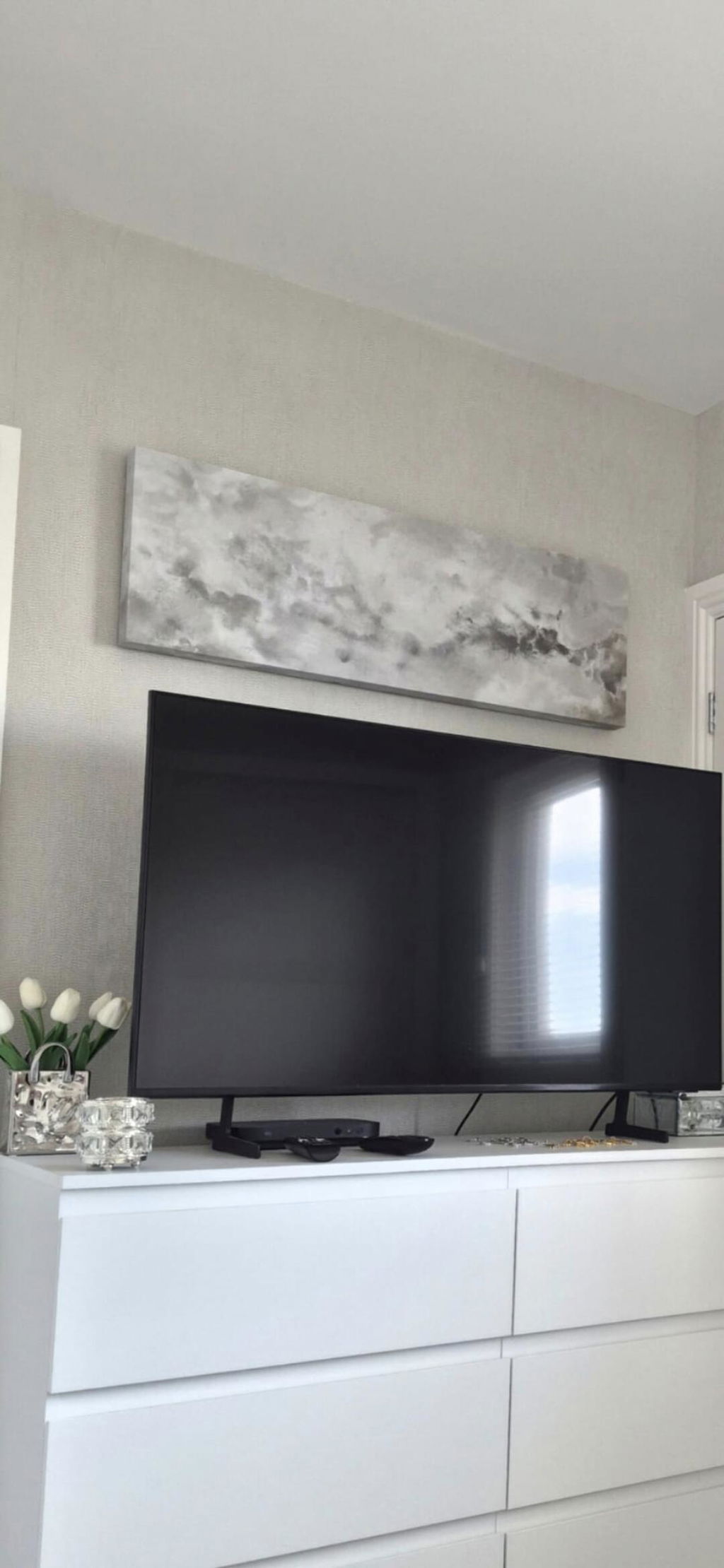
Lovely picture, great quality and supernatural delivered. Would definitely recommend
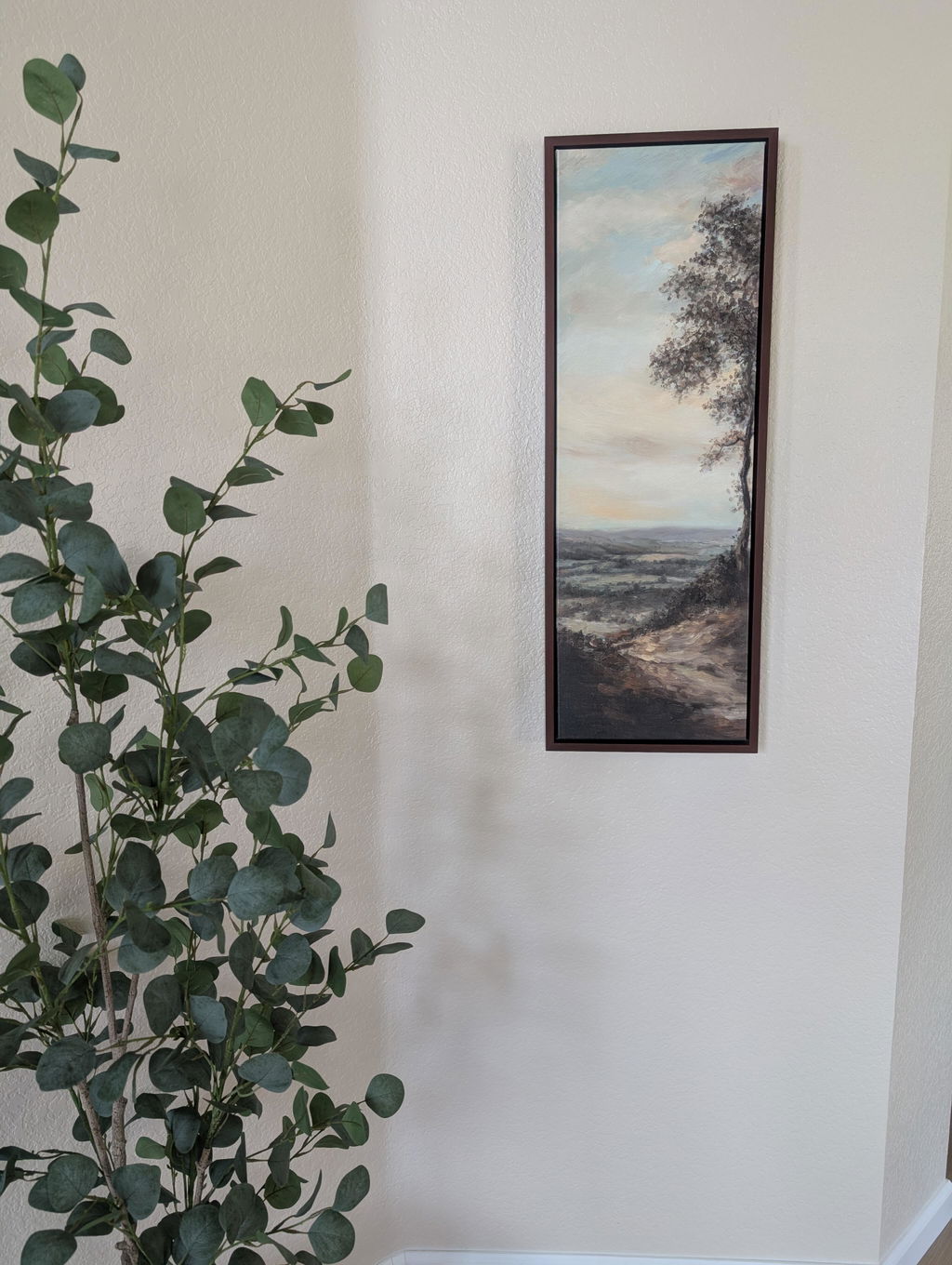
Beautiful picture for a narrow wall. The colors are prettier in person.
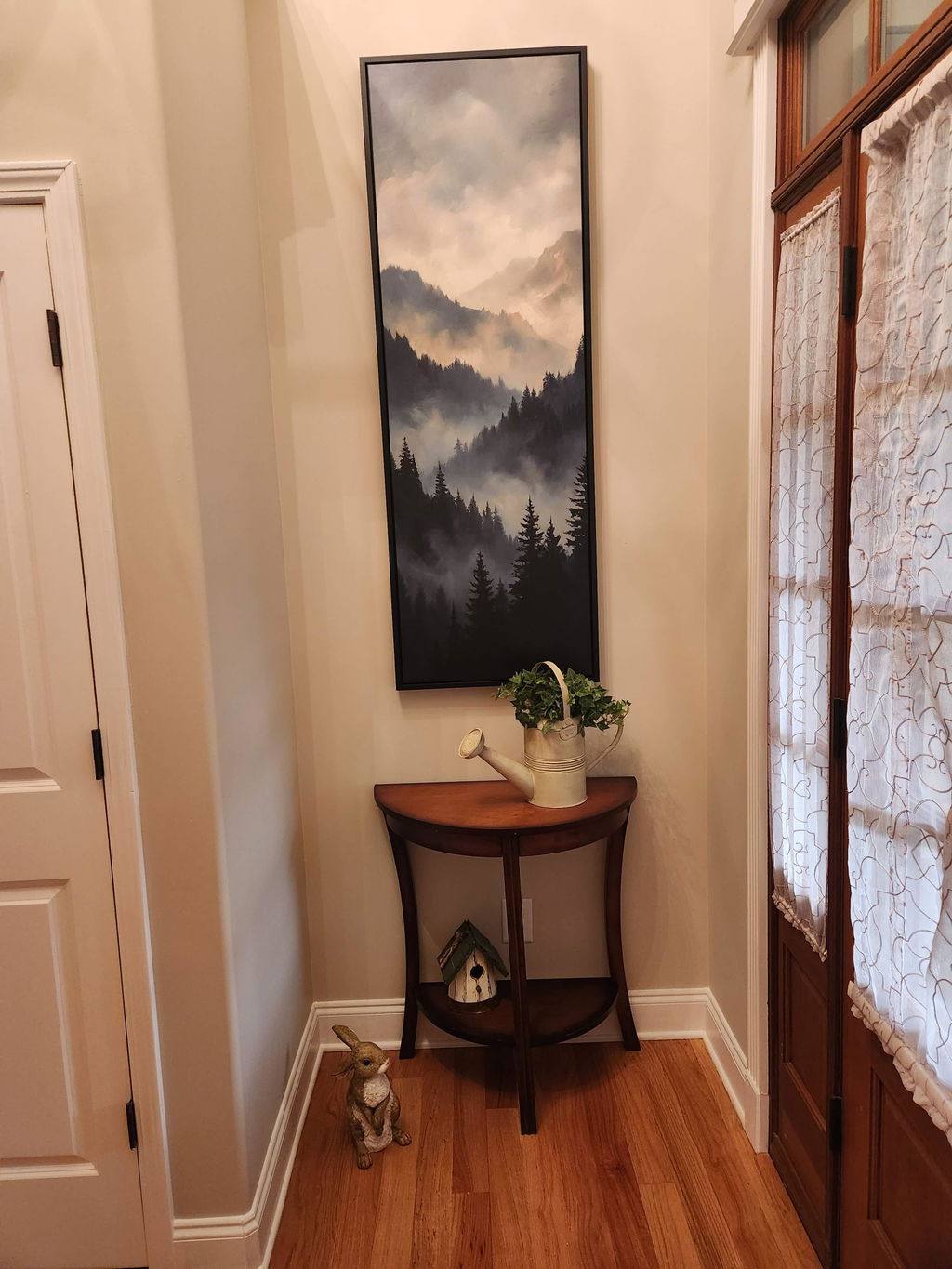
We received our print in a timely manner. Upon unpacking, we noticed a bulge in the canvas and some lines in the canvas and imprint from the wood that goes across in the back. I reached out and the company sent another one that came perfect. It is now displayed in our foyer and looks great!
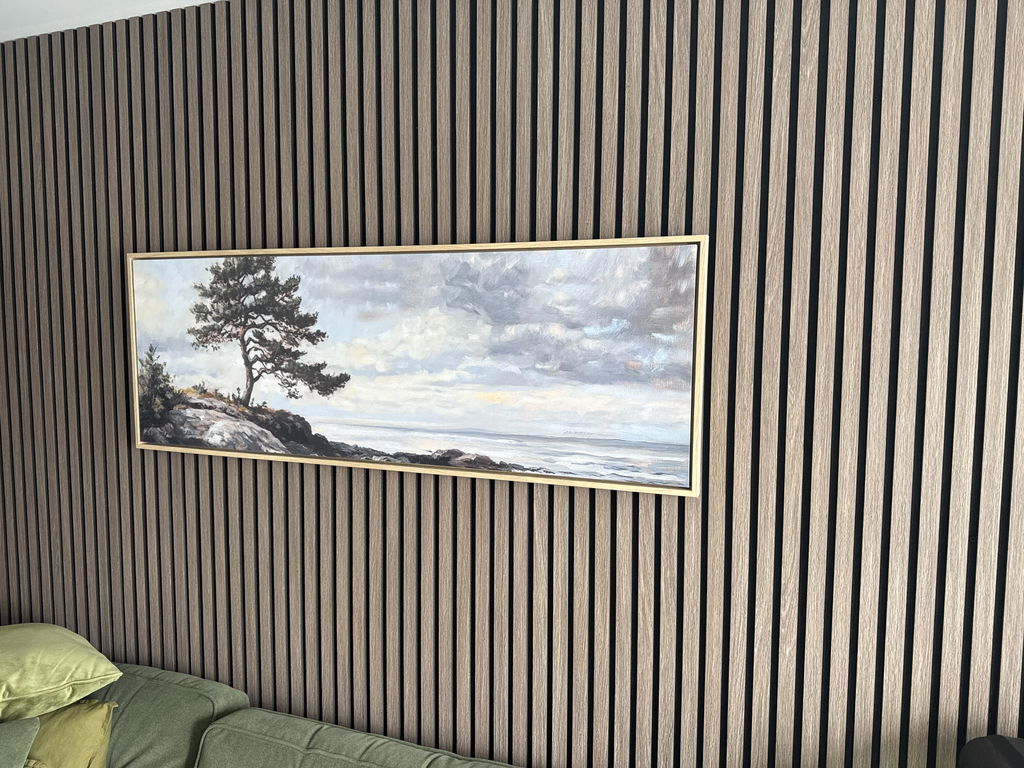
Beautiful, just as I wanted, excellent framing and a swift delivery
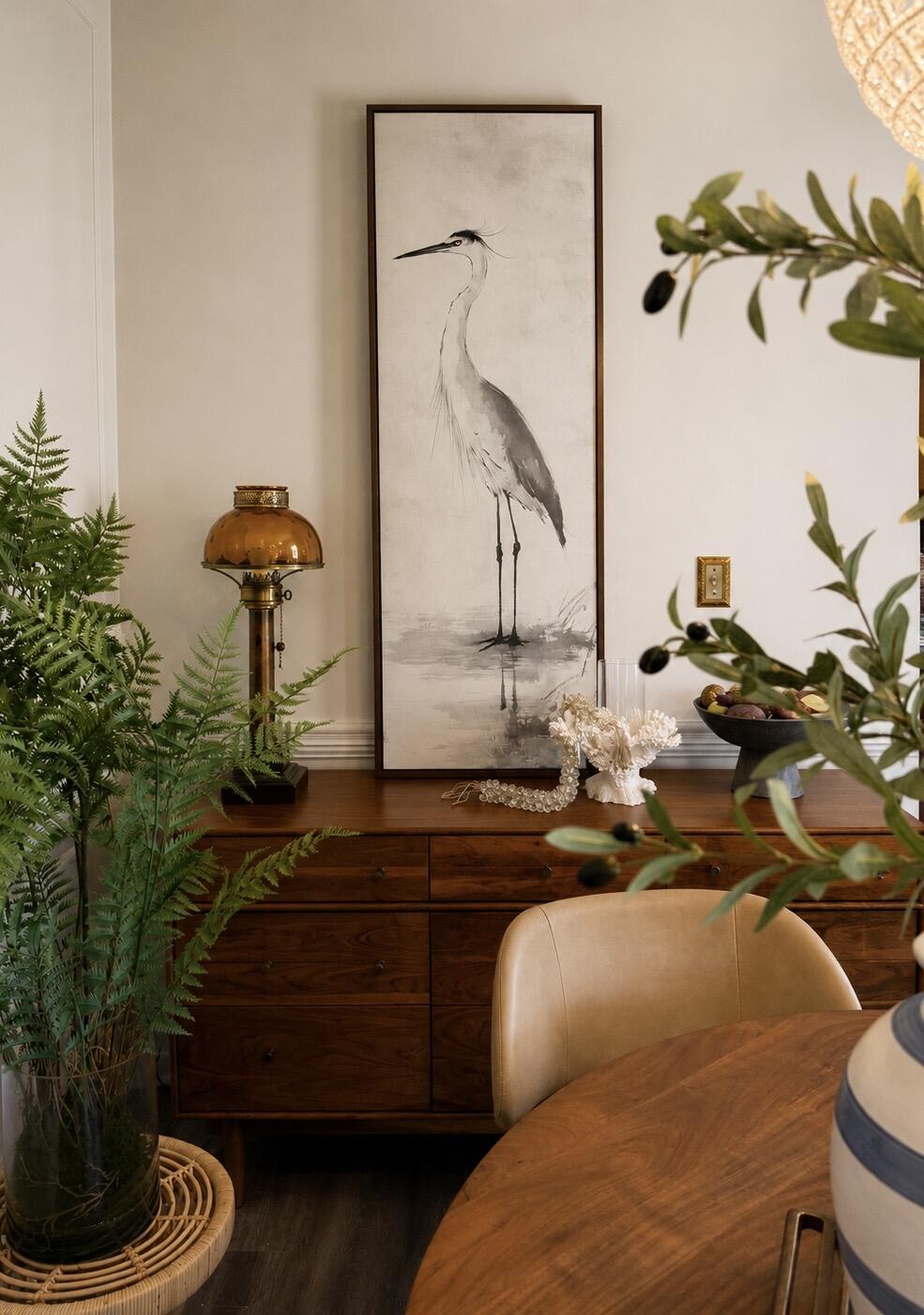
The perfect statement piece. The graceful heron, soft neutral palette, and walnut floating frame brought warmth and serenity to our dining room. It feels elegant, timeless, and collected rather than trendy. The quality is exceptional and the artwork looks even more beautiful in person than online. I love it so much, that I’m going to order another!
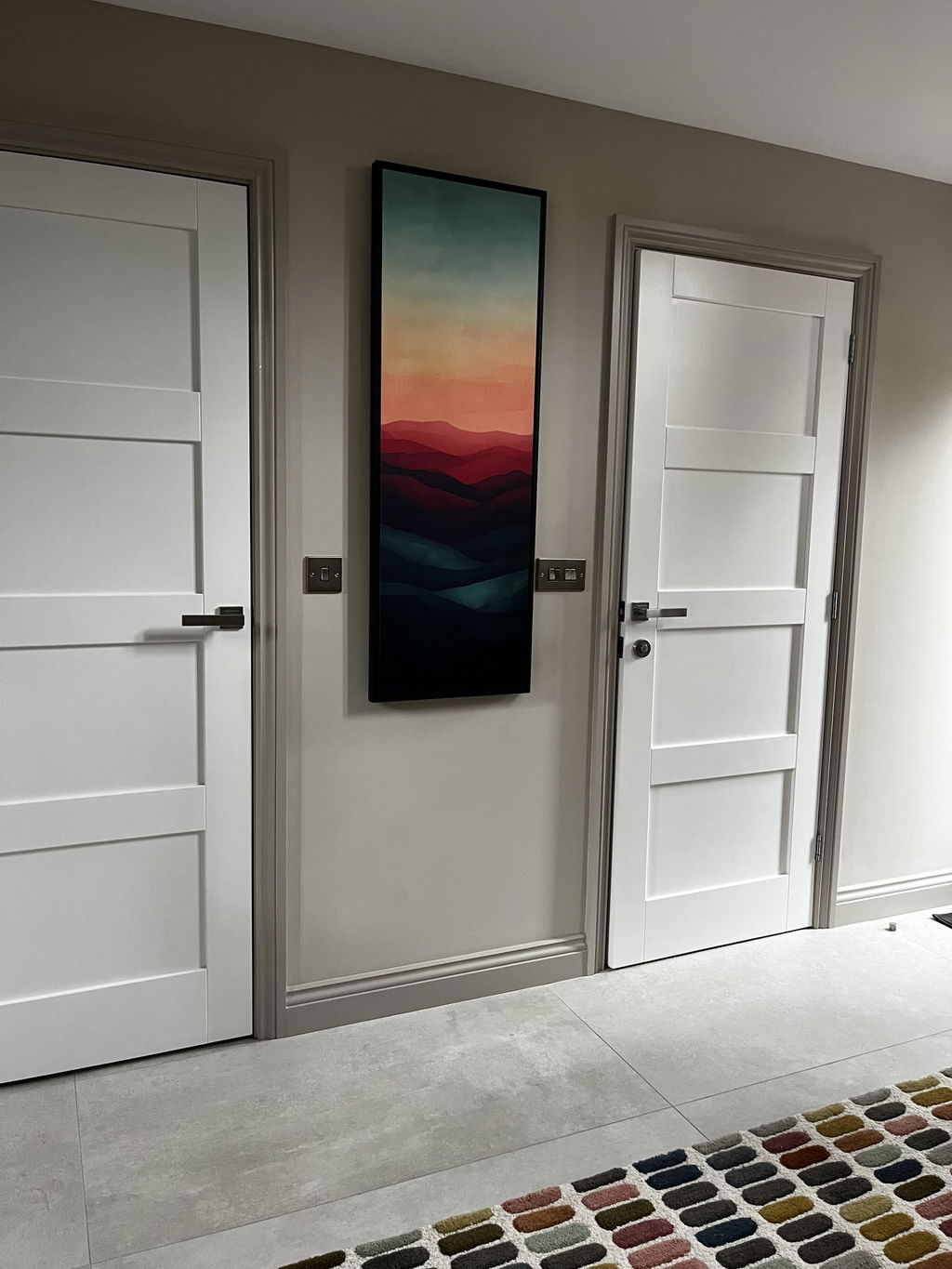
I’m over the moon with my beautiful Sunset wall art. It finishes off my hallway and has received so many compliments from visitors.
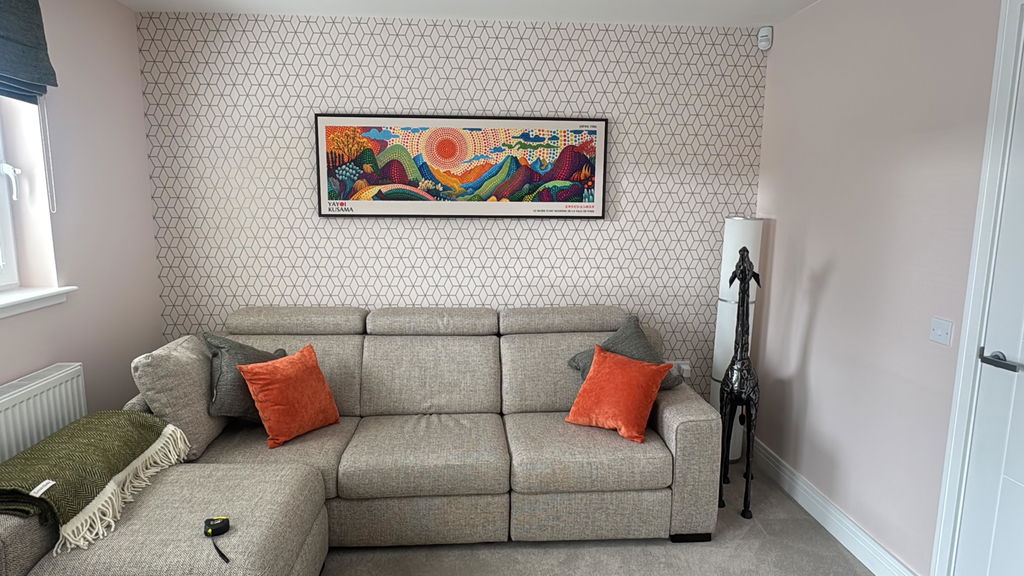
Second piece bought now and both are great. Exactly as described and very well packaged for transit.
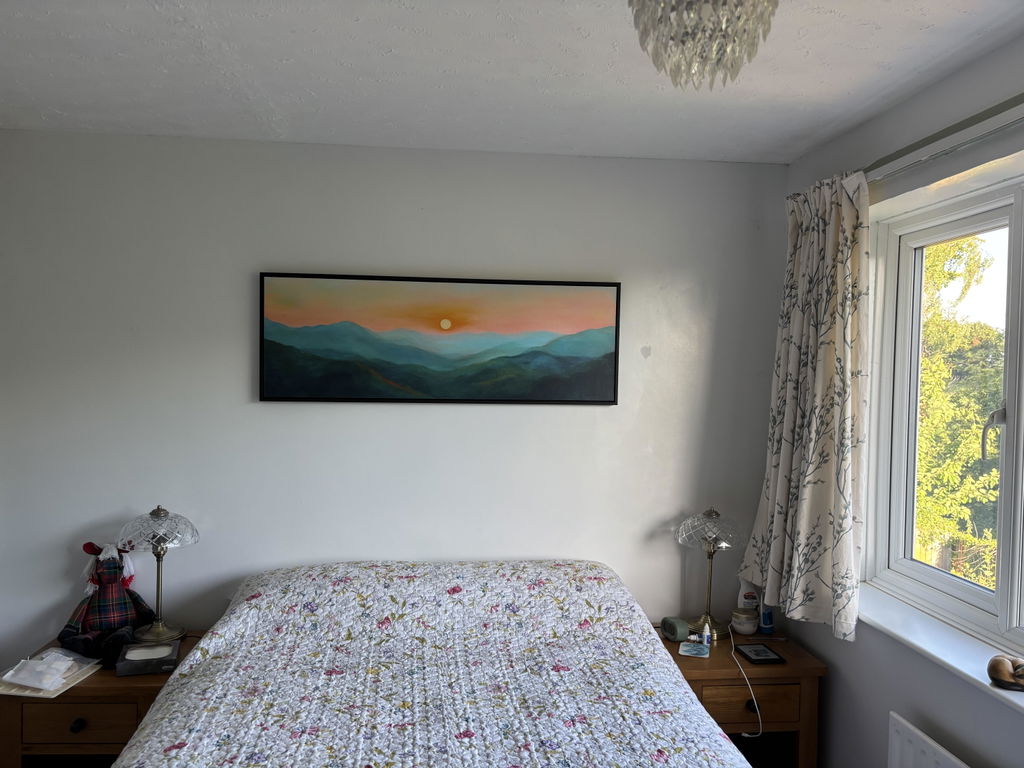
I love the quality and styling of the print, I was unsure about buying something so big without seeing it but I am very happy with the product. The colours are true to the image and the effect with the floating frame is perfect. I would buy again from Atelier, I trust the product and delivery was quick considering it was a specific design, size and frame.
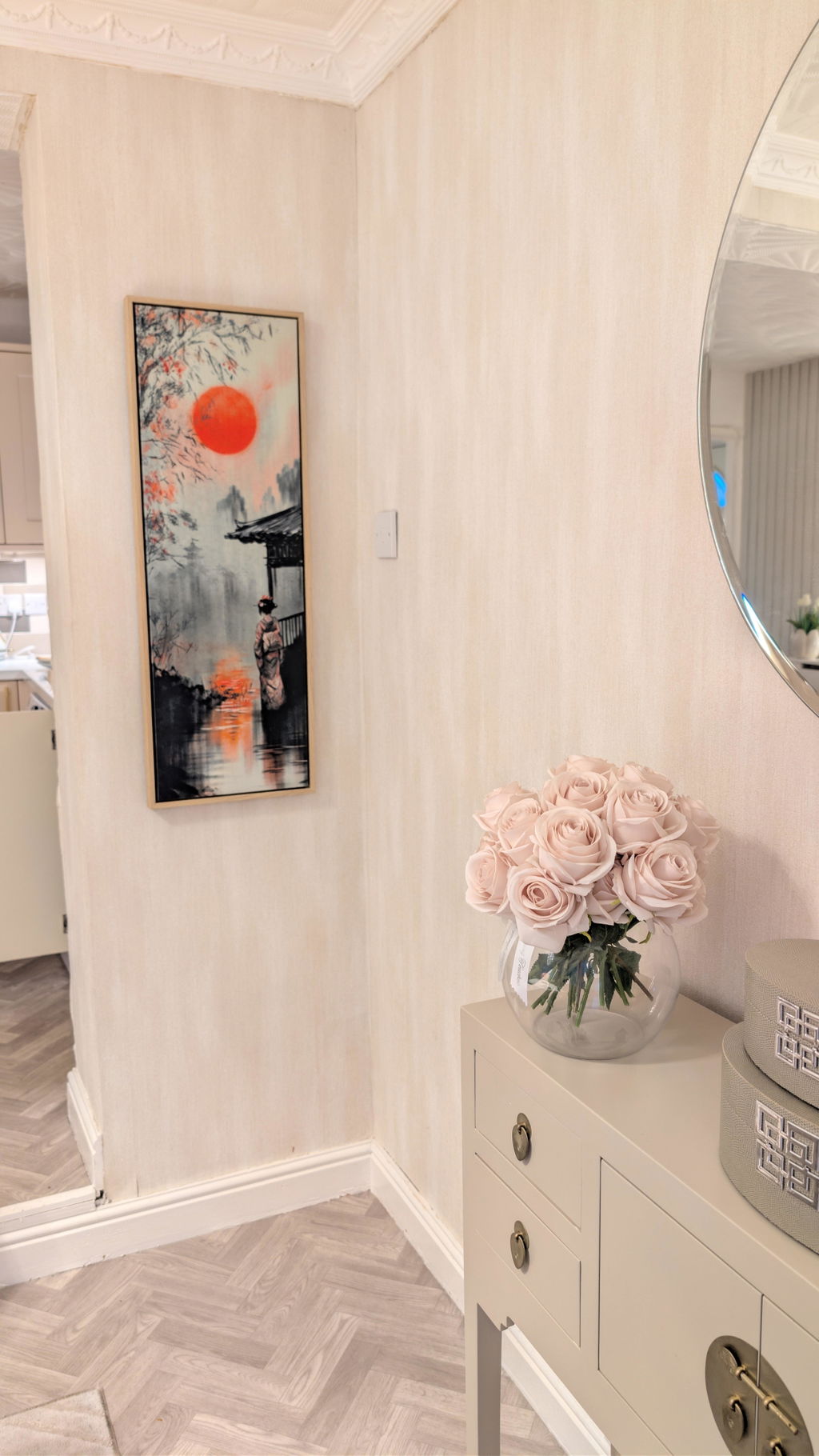
I bought the 30 x 90 canvas with a floating canvas frame in the colour wood and I couldn't be happier with it. Great quality, well packaged. Highly recommend.
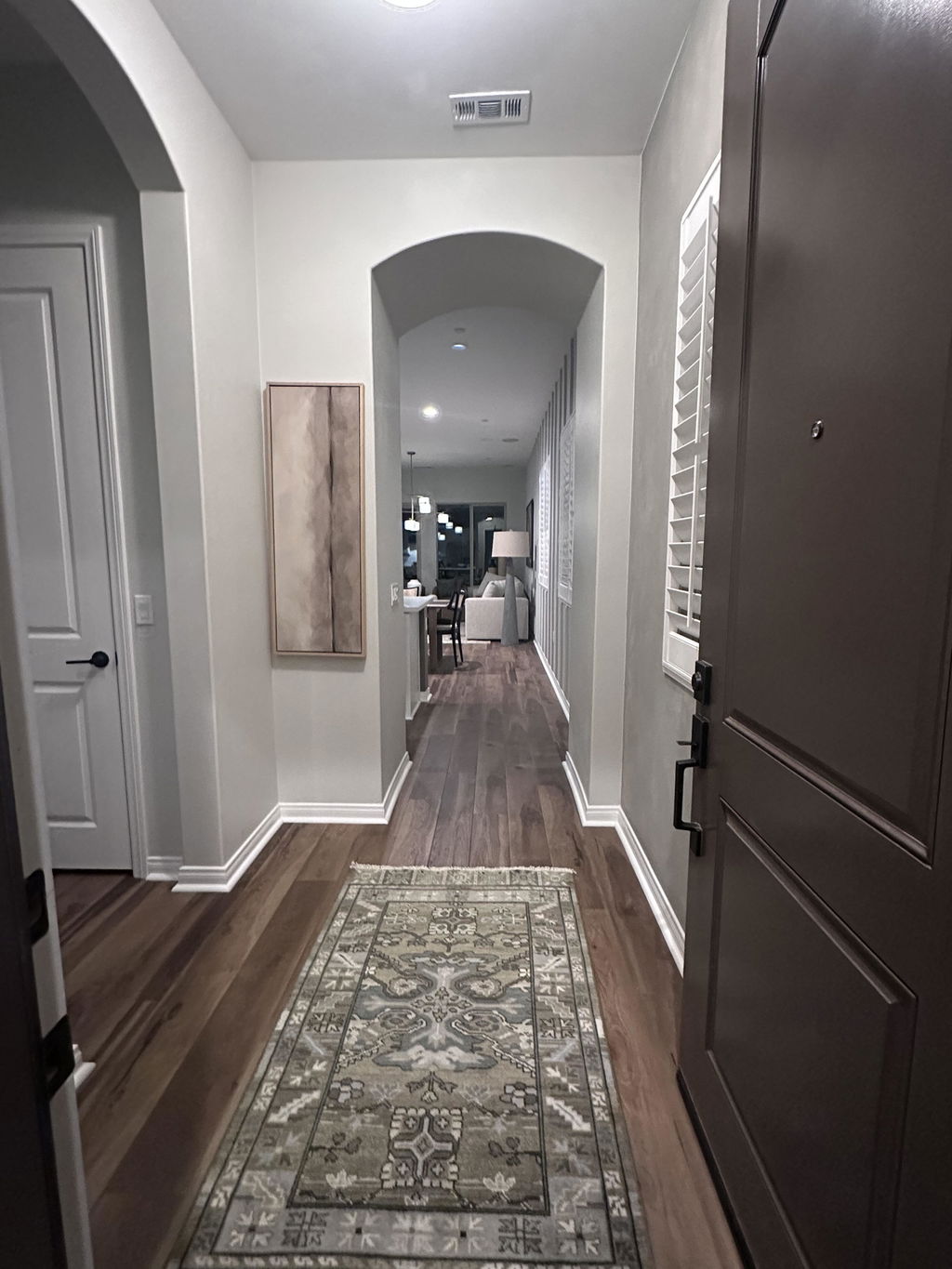
This artwork brought just the right look to my entry that I was trying to achieve. It’s beautiful and calming and in a beautiful quality frame.
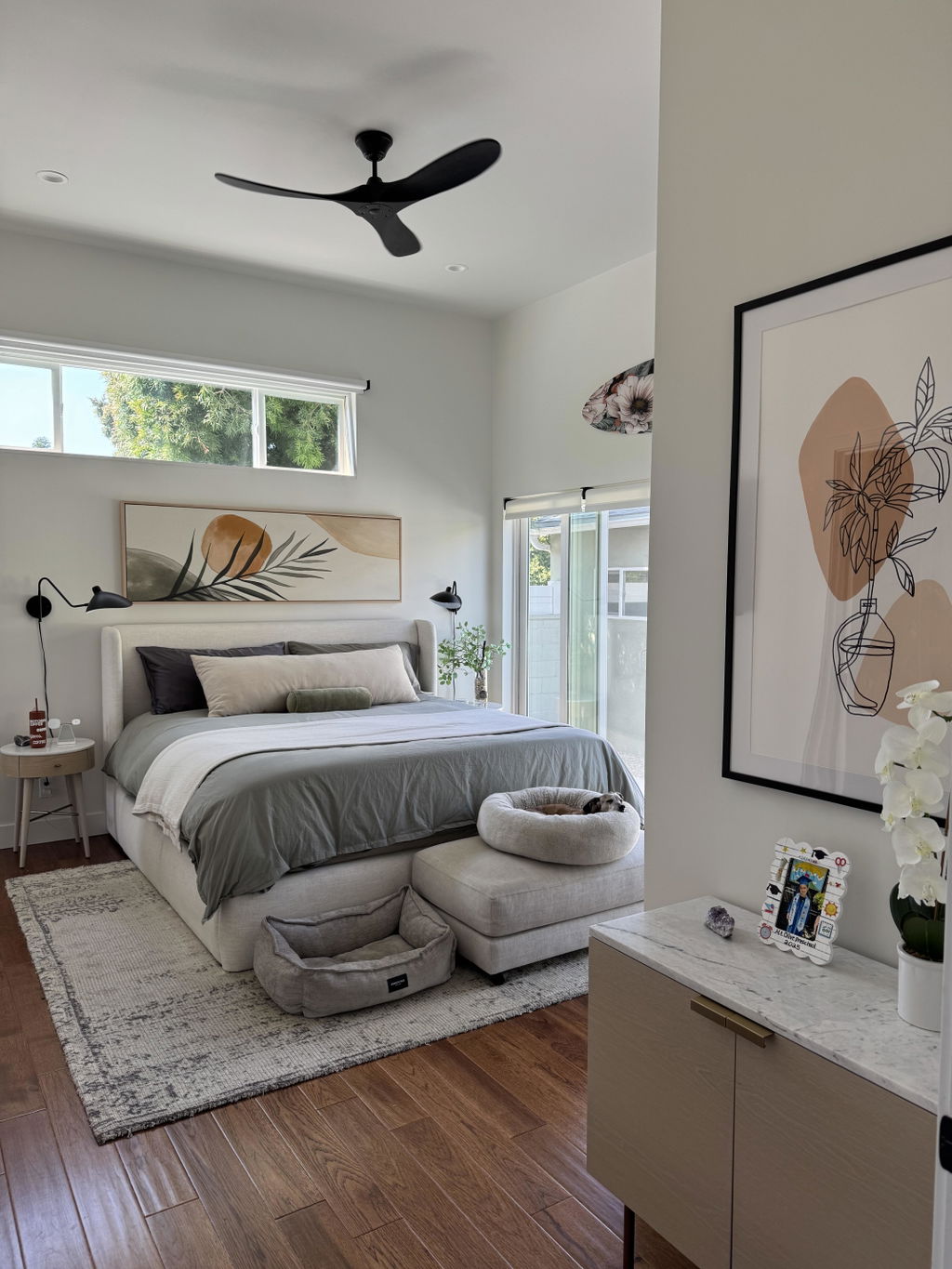
Better than presented online. We love it. Super high quality framing and hardware.
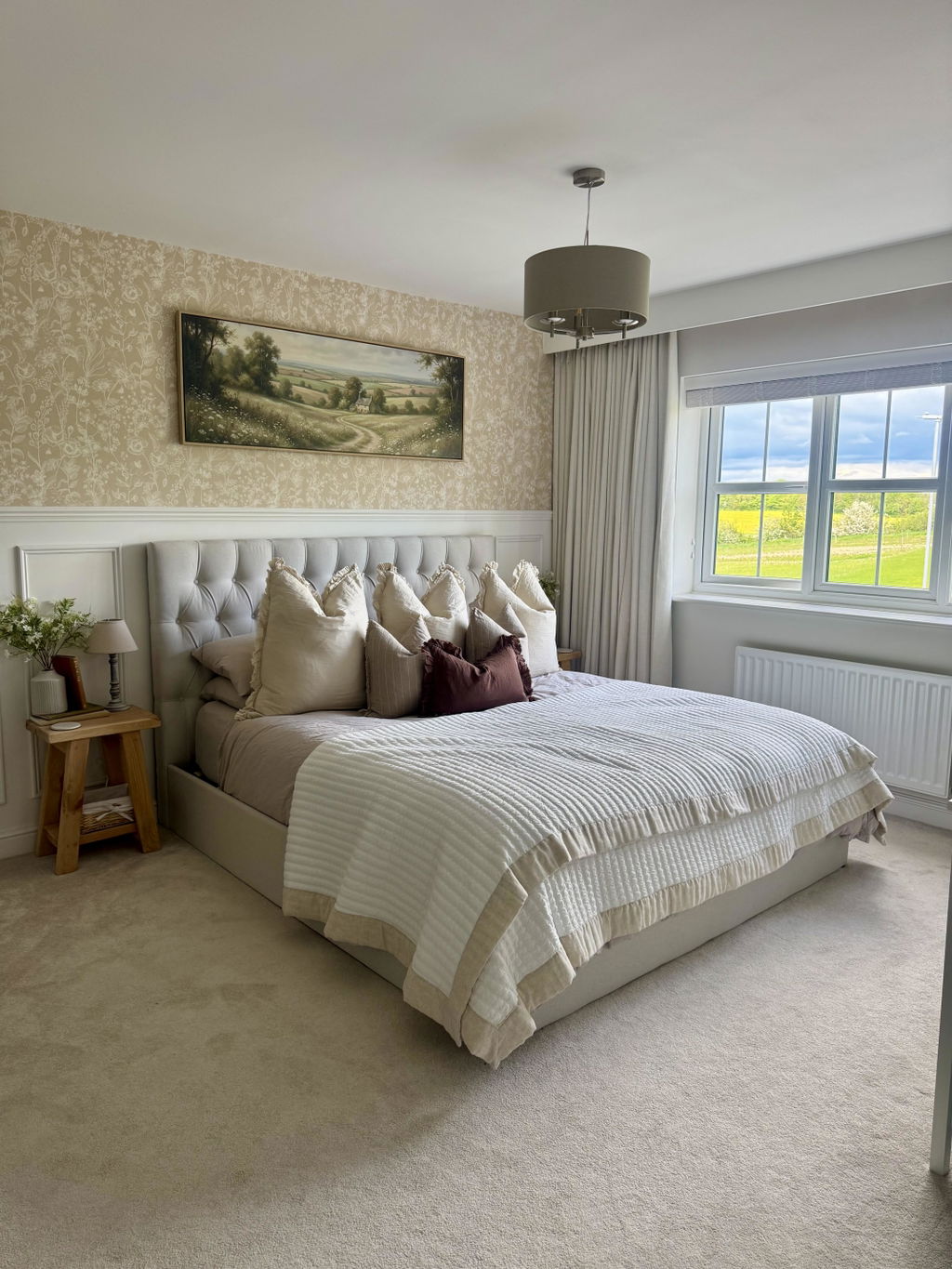
Beautiful artwork! So impressed with the quality, it looks absolutely stunning.
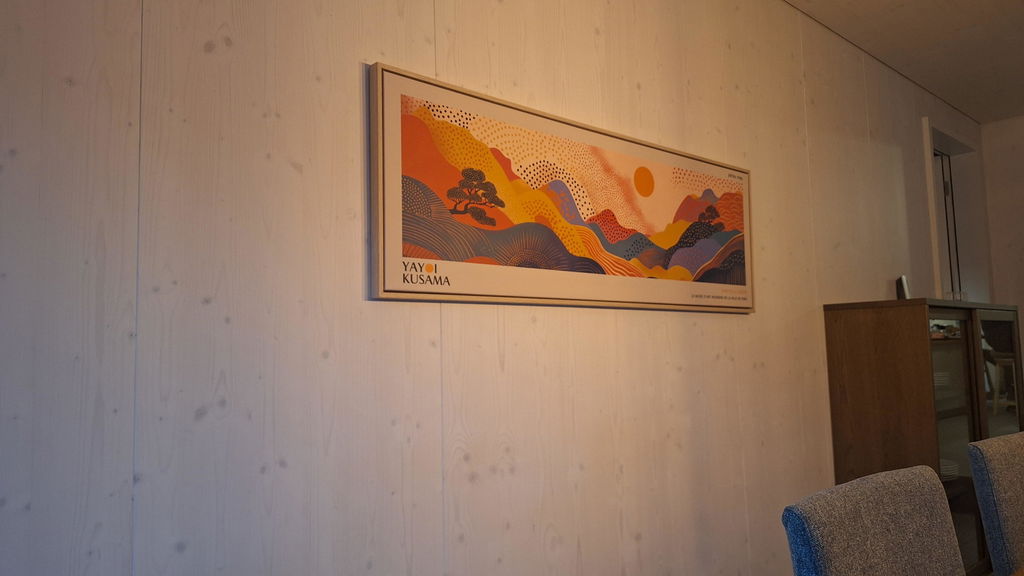
Beautiful!
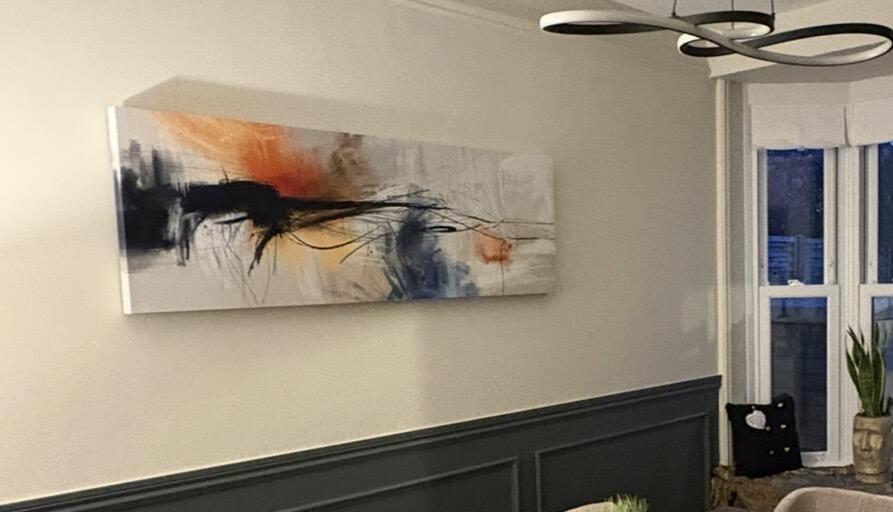
Lovely print. Really good quality & easy to hang