


Natural light has a significant impact on how a space feels, and just as importantly, how artwork is experienced within it.
The same piece can feel completely different depending on whether it is placed in a bright south-facing room or a more subdued north-facing space. Understanding this relationship can help you choose wall art that feels balanced, intentional, and suited to your home.
Rather than focusing only on colour or style, it is often more effective to start with light.
Bright Rooms and Airy Wall Art Choices
Rooms filled with natural light tend to enhance contrast and sharpen detail. While this can be beautiful, it also means that overly dark or heavy compositions can sometimes feel visually intense.
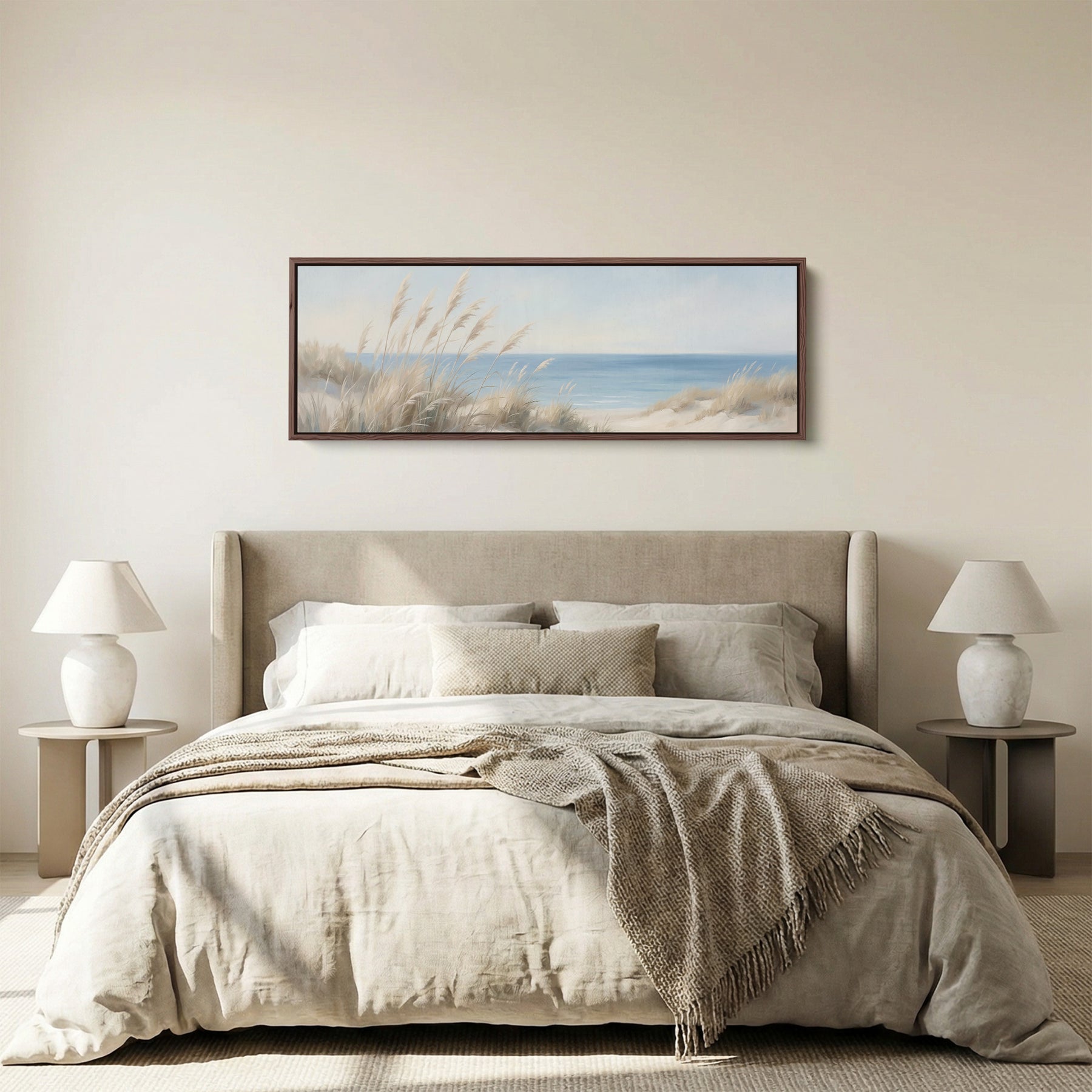
In brighter spaces, lighter and more open compositions tend to work best. Think soft neutrals, muted tones, and designs with more negative space.
This is where simple and relaxed pieces can feel particularly effective, especially in larger formats such as wide horizontal wall art above a sofa or dining area.
The coastal wall art collection is a strong starting point for brighter rooms, offering calm, balanced compositions that work with natural light rather than against it.
South-Facing Rooms and Warm Light Balance
South-facing rooms receive warm, consistent light throughout the day. This warmth can enrich colour, making tones feel deeper and more saturated.
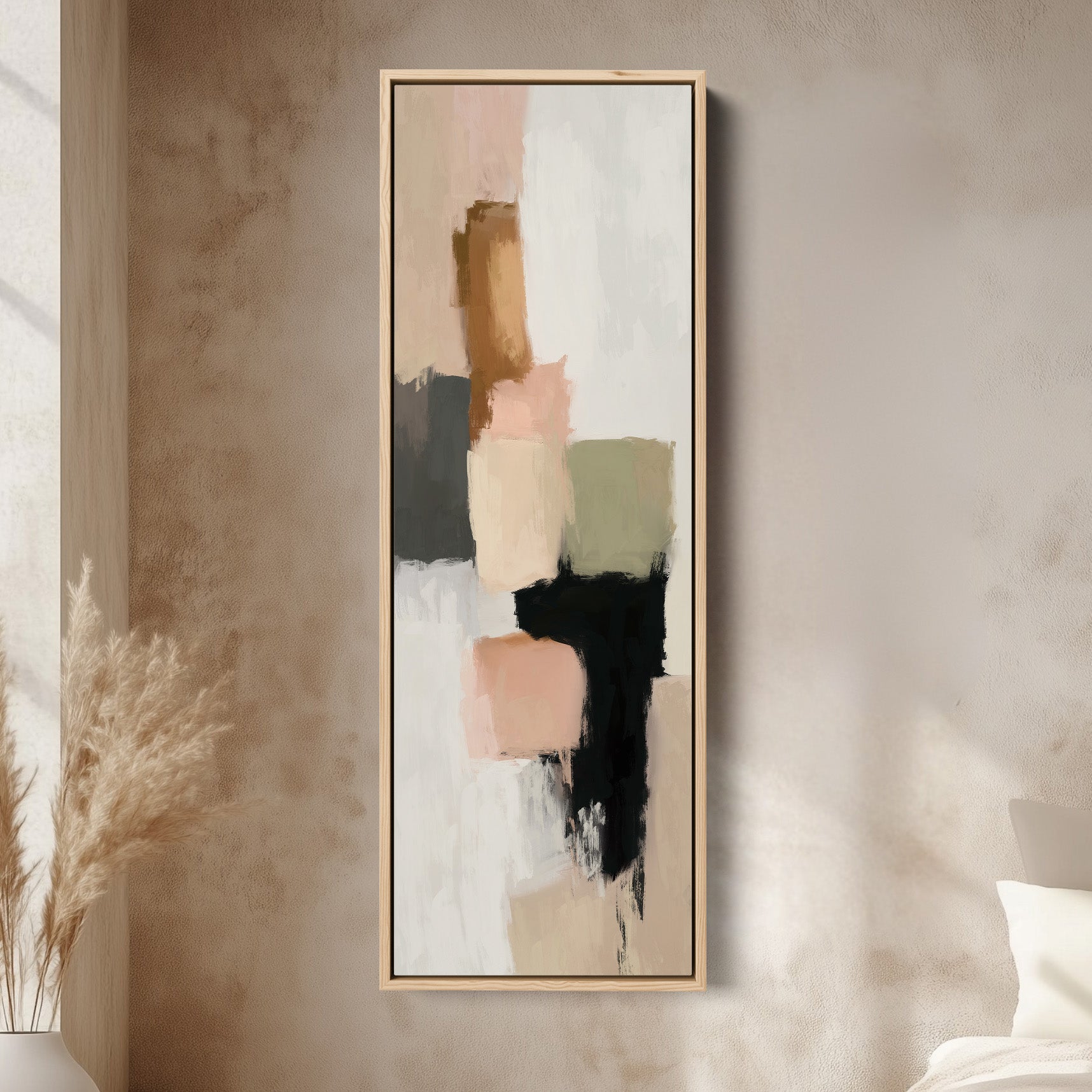
In these spaces, both abstract and geometric wall art can work well, particularly when there is a balance between colour and structure.
Wide compositions often help anchor the warmth of the room, while long narrow artwork can prevent large walls from feeling too visually heavy.
The abstract wall art collection is particularly suited to these environments, offering pieces that respond well to changing light throughout the day.
North-Facing Rooms and Adding Warmth Through Art
North-facing rooms typically receive cooler, more diffused light. While this creates a soft and even atmosphere, it can sometimes make spaces feel slightly muted.
Wall art becomes especially important in these rooms, as it can introduce warmth, contrast, and depth.
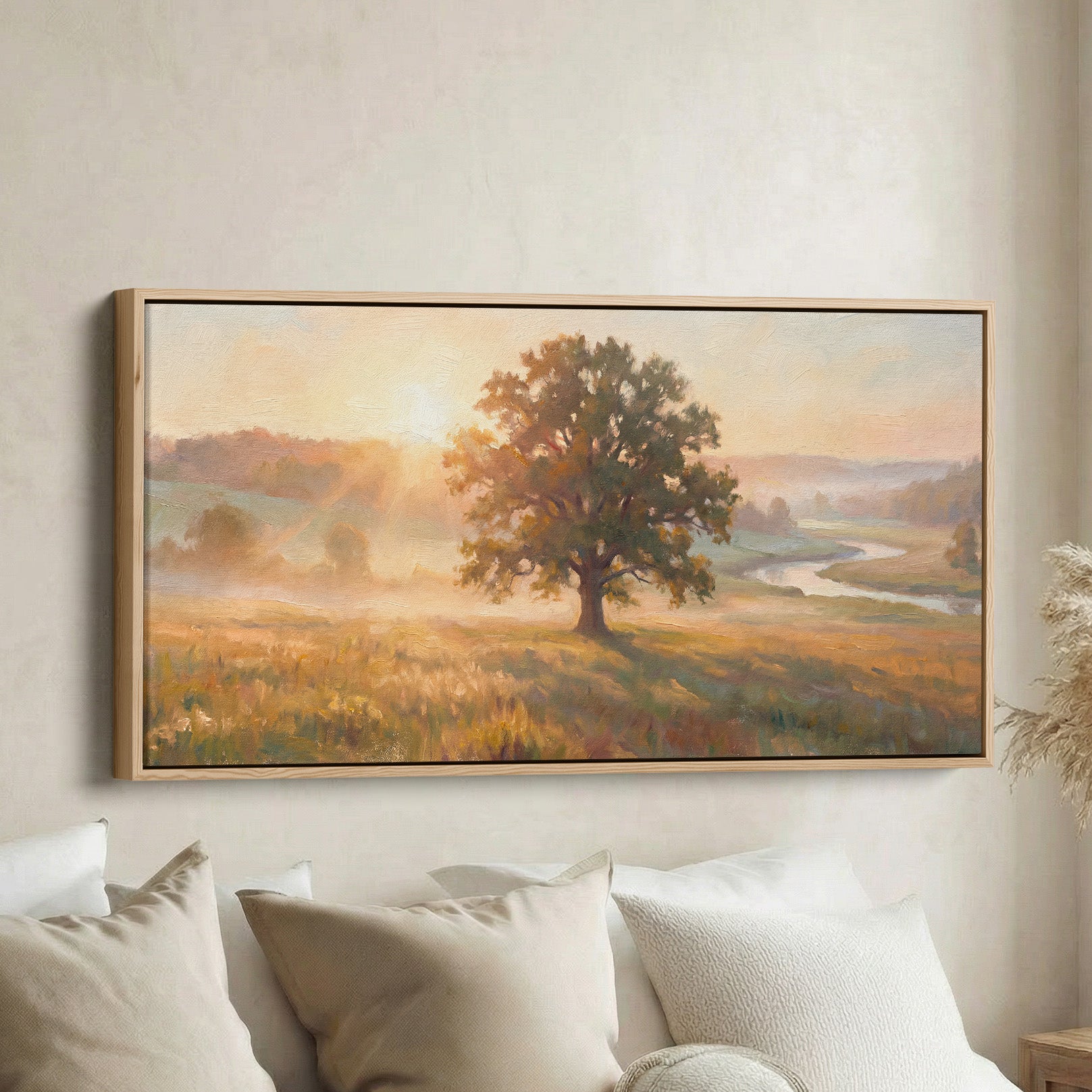
Earthy tones, soft terracottas, muted blues, and natural-inspired compositions often work well here. Vertical wall art can also help bring structure and lift to spaces that feel visually lower in light.
For these types of rooms, the nature wall art collection can help introduce a softer, more organic feel that complements low light conditions.
Matching Wall Art to the Direction of the Room
Beyond brightness, the direction of natural light can influence how a space is perceived.
East-facing rooms tend to feel brighter in the morning and cooler in the afternoon, making them ideal for adaptable pieces with balanced tones.
West-facing rooms often feel warmer later in the day, which can enhance deeper colours and stronger contrast.
In both cases, choosing wall art that responds well to shifting light helps maintain visual consistency throughout the day.
Long horizontal wall art works well in open, light-filled rooms, while tall vertical wall art can help bring structure to narrower or less evenly lit spaces.
Explore horizontal wall art and vertical wall art collections for proportion-led pieces.
Using Wall Art to Correct Light Imbalance in a Room
Natural light is not always evenly distributed, and wall art can help correct visual imbalance.
In darker areas, lighter and more open compositions can help lift the space. The minimalist wall art collection offers clean, balanced designs that reflect available light and create a brighter, more airy feel.
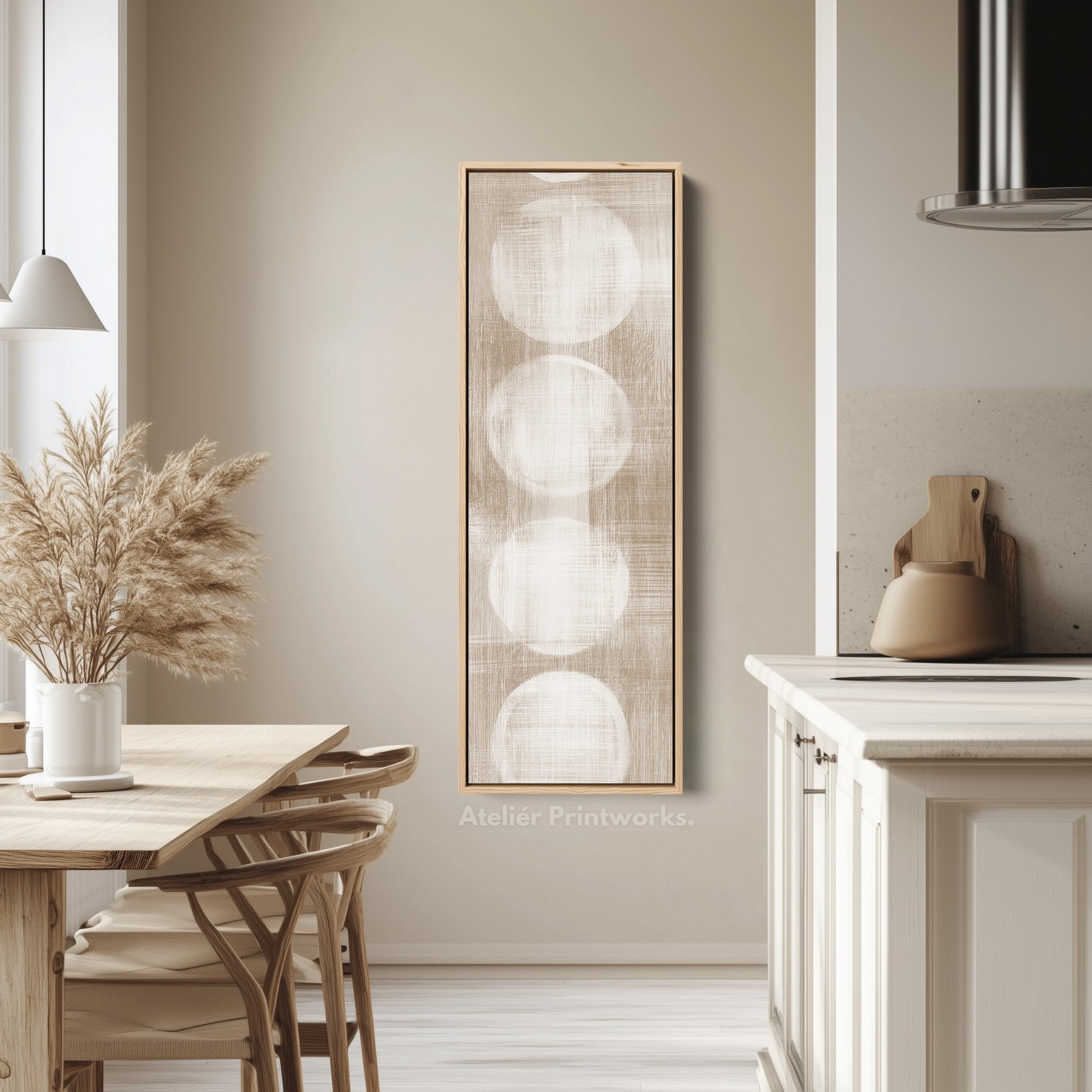
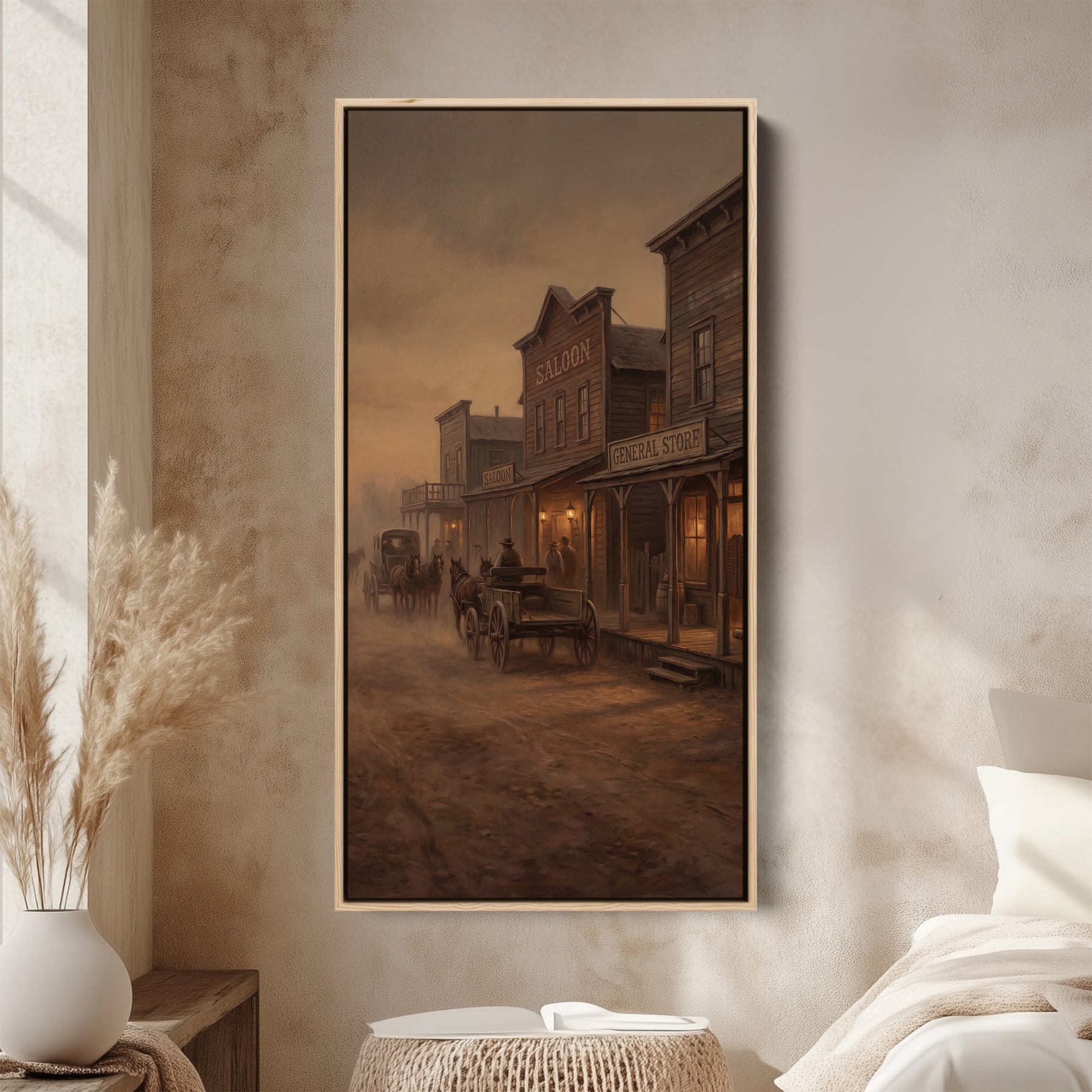
In contrast, very bright spaces can benefit from artwork with more depth and warmth. The vintage wall art collection introduces richer tones and subtle texture, helping to soften strong light and bring a more grounded atmosphere to the room.
A More Intentional Way to Choose Wall Art
Choosing wall art based on natural light encourages a more thoughtful approach to interiors.
Instead of selecting pieces in isolation, it allows you to consider how a room actually feels throughout the day, and how artwork can support that experience.
Explore our bestseller wall art prints to find pieces that respond beautifully to natural light, or continue through the journal for more ideas on styling, proportion, and composition.


