


Bauhaus
Bauhaus-Wandkunst in langen, schmalen Formaten – geometrische Leinwandbilder, inspiriert von den ikonischen Plakaten der Bewegung, mit markanten Formen und klarem, funktionalem Design. Von minimalistischen Kompositionen bis hin zu abstrakten Werken im Mid-Century-Stil bringen vertikale und horizontale Bilder Struktur und visuelle Klarheit in Flure, Homeoffices und moderne Wohnräume.
Das Bauhaus-Prinzip – dass die Form der Funktion folgen und jedes Ornament seinen Platz verdienen sollte – lässt sich besonders gut auf eine lange Leinwand übertragen. Kreise, Bögen und Farbflächen haben Raum, sich über die Breite zu wiederholen und auszubalancieren oder sich entlang der Höhe zu staffeln, sodass die Komposition anstelle der Dekoration wirkt.
Erwarten Sie Primärfarben wie Rot, Blau und Gelb sowie wärmere, gedeckte Farbpaletten aus Lehm-, Ocker- und Off-White-Tönen. Jedes Bild wird auf Bestellung in verschiedenen Größen gefertigt – als gespannte Leinwand oder in einem Schattenfugen- bzw. klassischen Rahmen in Schwarz, Weiß, Eiche, Walnuss oder Gold – und kommt fertig zum Aufhängen bei Ihnen an. Vielleicht gefällt Ihnen auch unsere Kollektion mit geometrischen Mustern.


Bauhaus wall art - frequently asked questions
Größe, Aufhängehöhe und die Fragen, die uns am häufigsten gestellt werden.
What is Bauhaus design?
Bauhaus was a German art and design school founded in 1919, and the movement that grew from it. Its core idea was that form should follow function and that ornament has to earn its place - which in practice meant clean geometry, primary colours, and a rejection of decoration for its own sake. Bauhaus posters and prints are still recognisable for exactly those qualities.
Why does Bauhaus design suit a long narrow canvas?
Because the compositions are built from repeatable shapes. Circles, arcs and colour blocks can march across a width or stack down a height without the composition needing a focal point - so an elongated canvas gives the geometry room to work rather than cropping a picture. The result reads as structured rather than busy.
What colours is Bauhaus wall art available in?
Primary red, blue and yellow - the palette the movement is best known for - alongside warmer muted versions in clay, ochre and off-white. The primaries make a strong statement and need a plain wall behind them; the muted range is far easier to live with in a room that already has colour in it.
What rooms suit Bauhaus wall art?
Home offices, hallways and modern living spaces. The structured geometry reads as deliberate and workmanlike, which suits a workspace, and the strong lines hold up well in a hallway seen in passing. It is a harder choice for a bedroom, where high-contrast primaries can feel more stimulating than restful.
What is the difference between Bauhaus and mid-century modern?
Bauhaus came first and is more austere - German, 1919 onwards, built on primary colours and strict geometry. Mid-century modern is largely the post-war American and Scandinavian development of those ideas, warmer in palette and softer in form, with more organic curves and muted tones. In wall art, Bauhaus tends to mean hard-edged shapes; mid-century tends to mean rounded forms and earthy colour.


Lass dich inspirieren
Unsere Kunstwerke, Ihre Wände
Sehen Sie, wie unsere Kunden Ateliér Printworks-Stücke in ihren Häusern gestalten. Von schmalen Fluren bis hin zu markanten Wänden zeigen diese Räume, wie die richtigen Proportionen den entscheidenden Unterschied machen.
Let customers speak for us
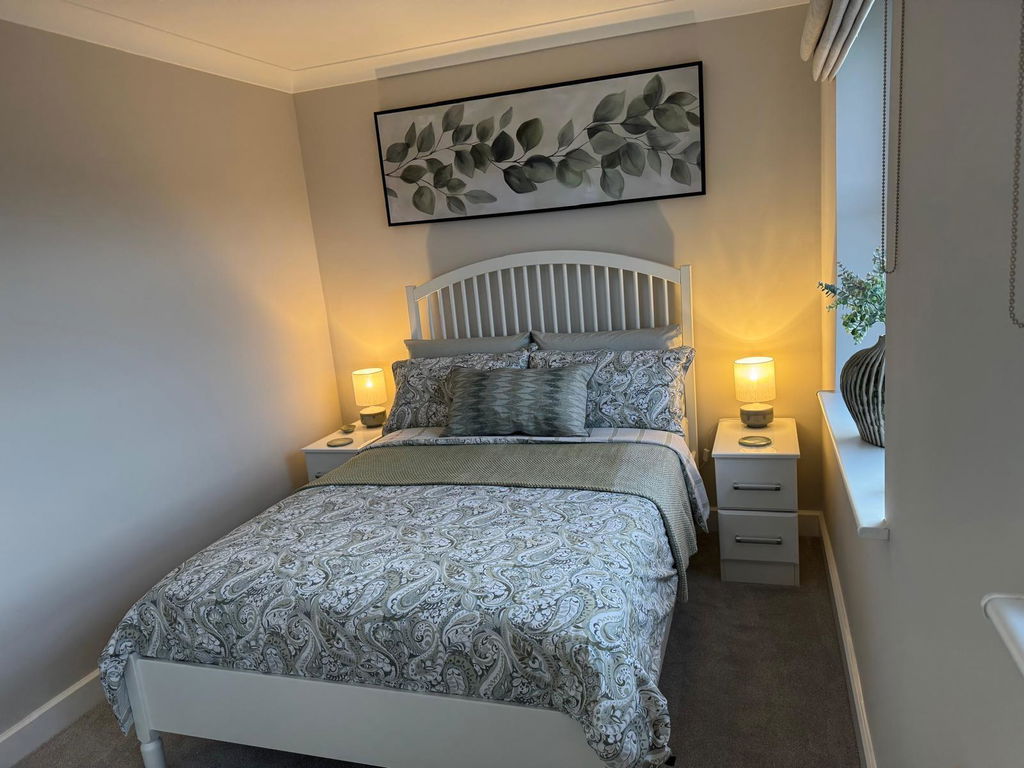
Excellent service, picture looks amazing and arrived very quickly and was very well packaged. Easy to install on the wall and looks superb..
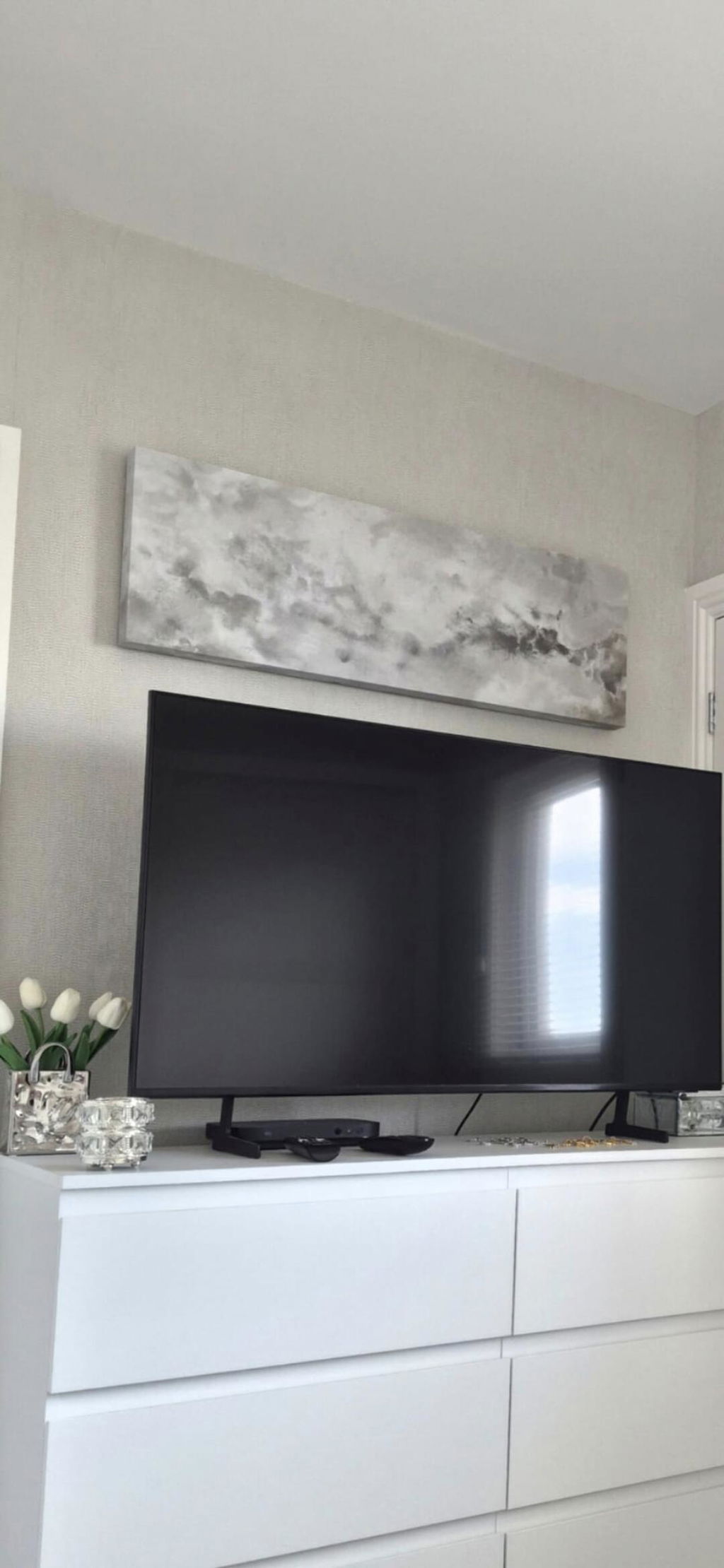
Lovely picture, great quality and supernatural delivered. Would definitely recommend
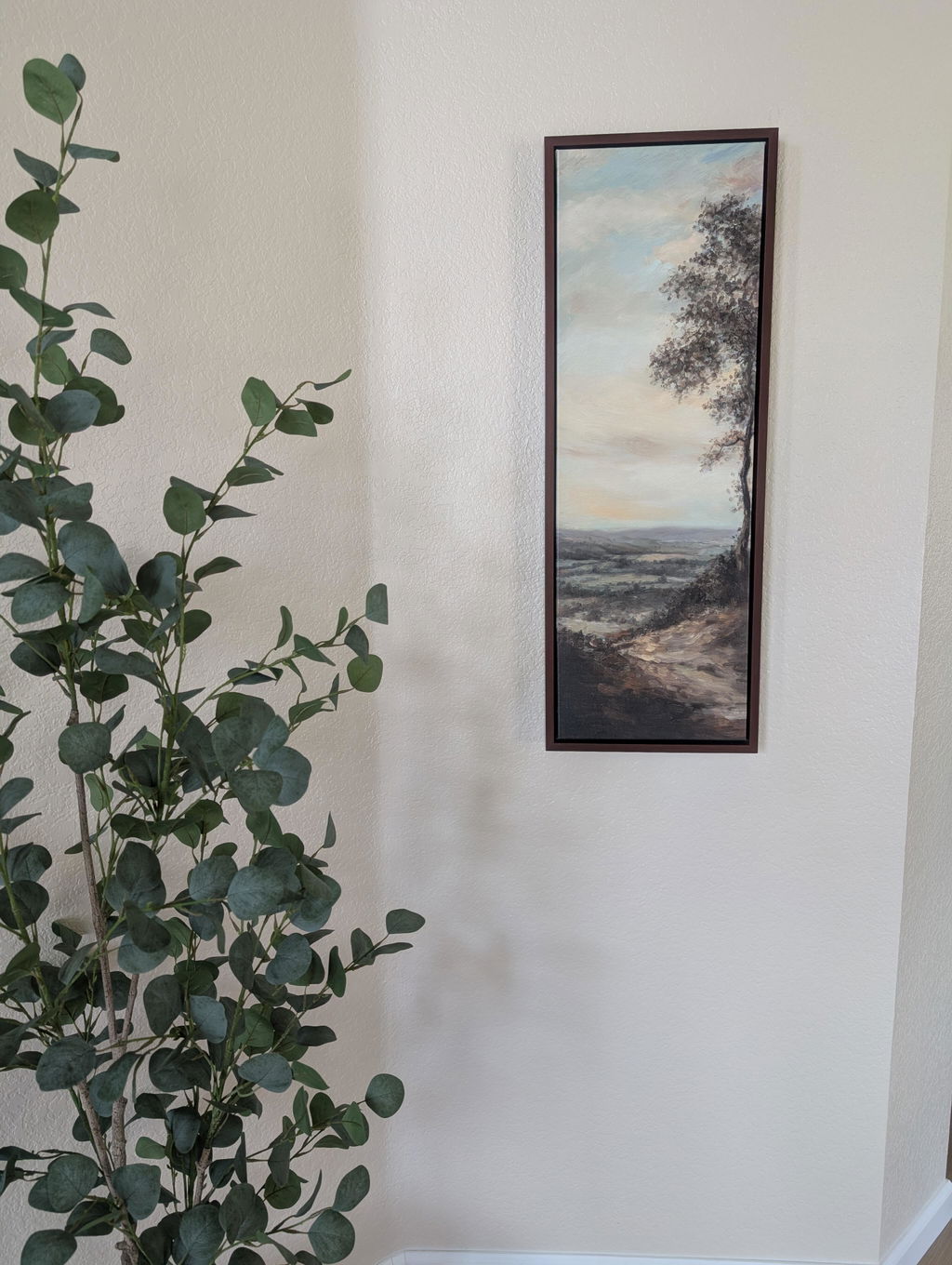
Beautiful picture for a narrow wall. The colors are prettier in person.
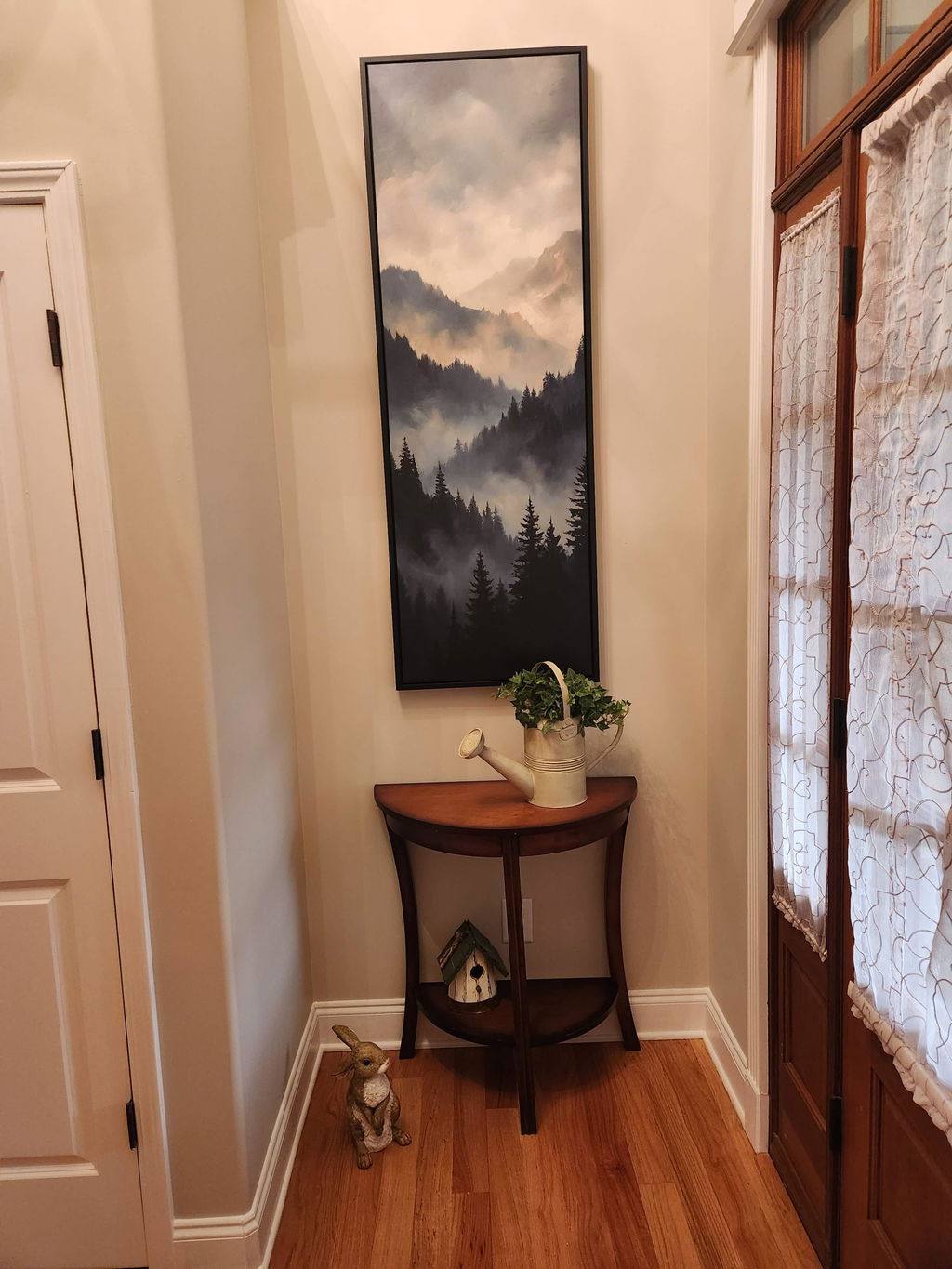
We received our print in a timely manner. Upon unpacking, we noticed a bulge in the canvas and some lines in the canvas and imprint from the wood that goes across in the back. I reached out and the company sent another one that came perfect. It is now displayed in our foyer and looks great!
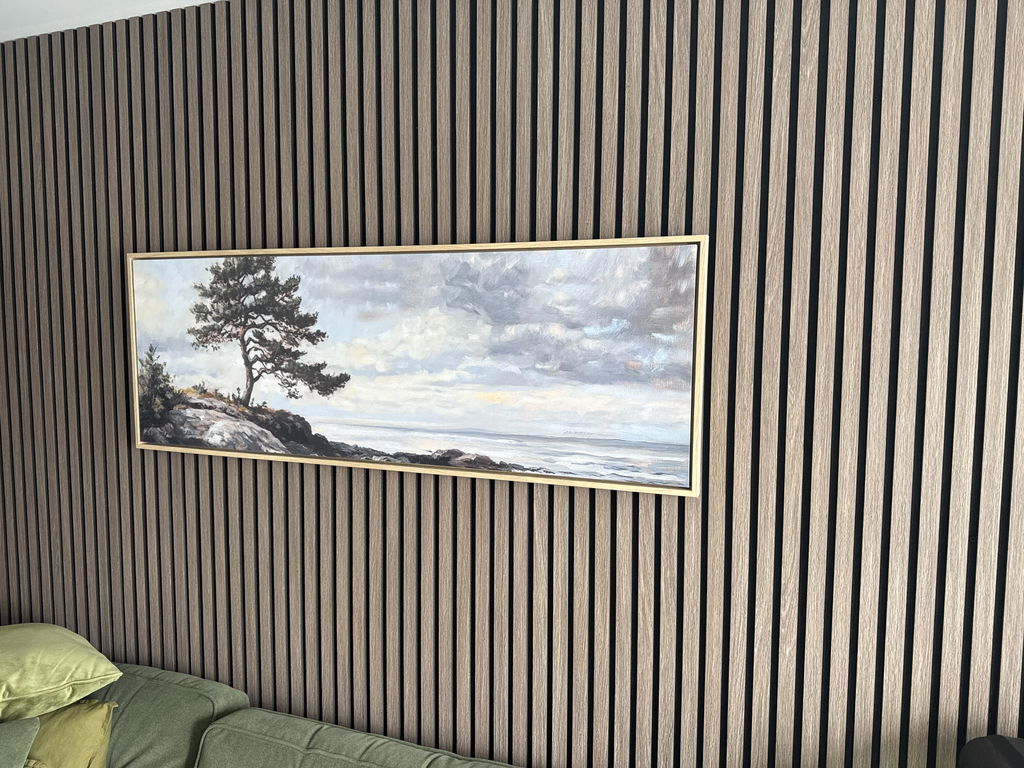
Beautiful, just as I wanted, excellent framing and a swift delivery
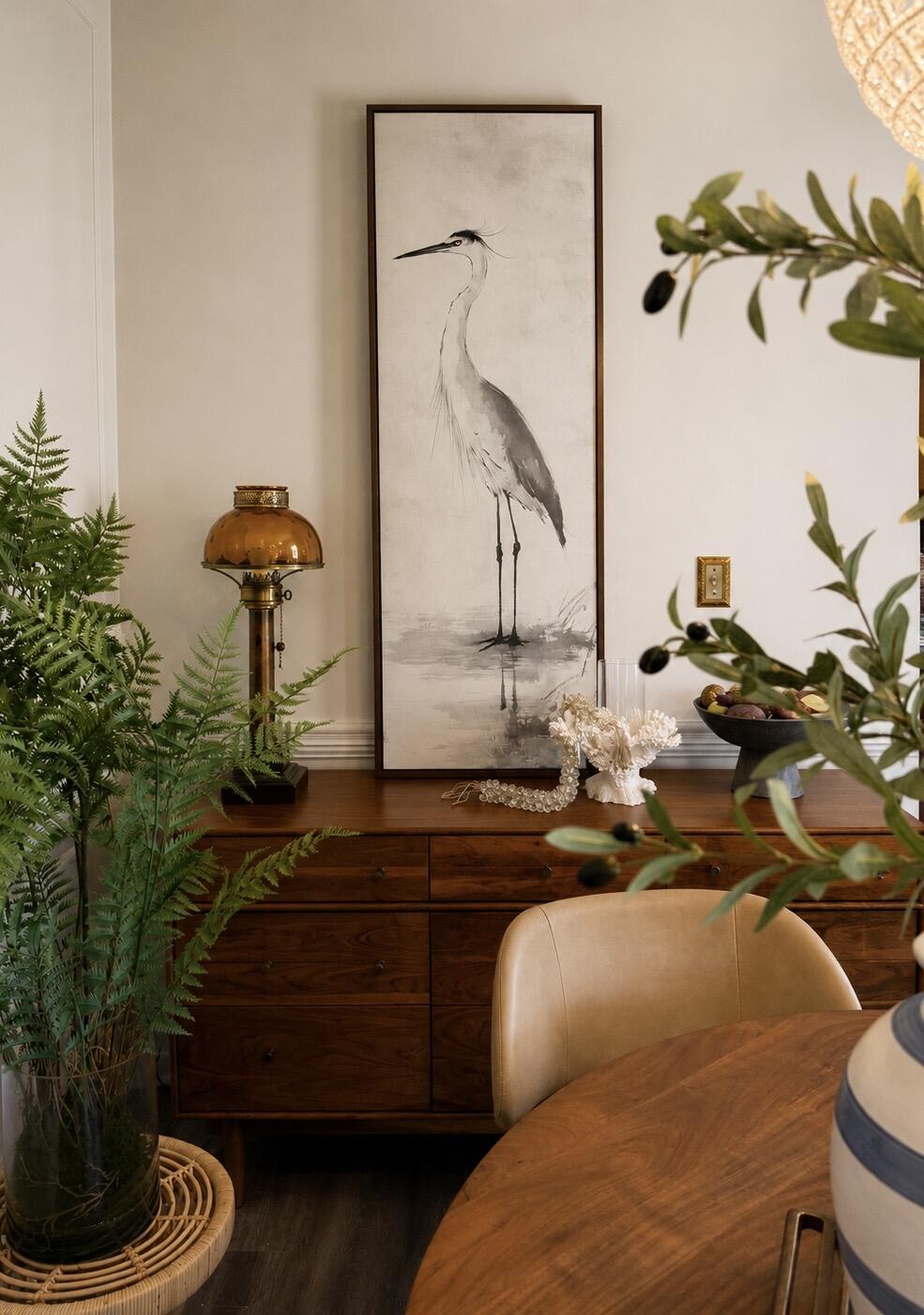
The perfect statement piece. The graceful heron, soft neutral palette, and walnut floating frame brought warmth and serenity to our dining room. It feels elegant, timeless, and collected rather than trendy. The quality is exceptional and the artwork looks even more beautiful in person than online. I love it so much, that I’m going to order another!
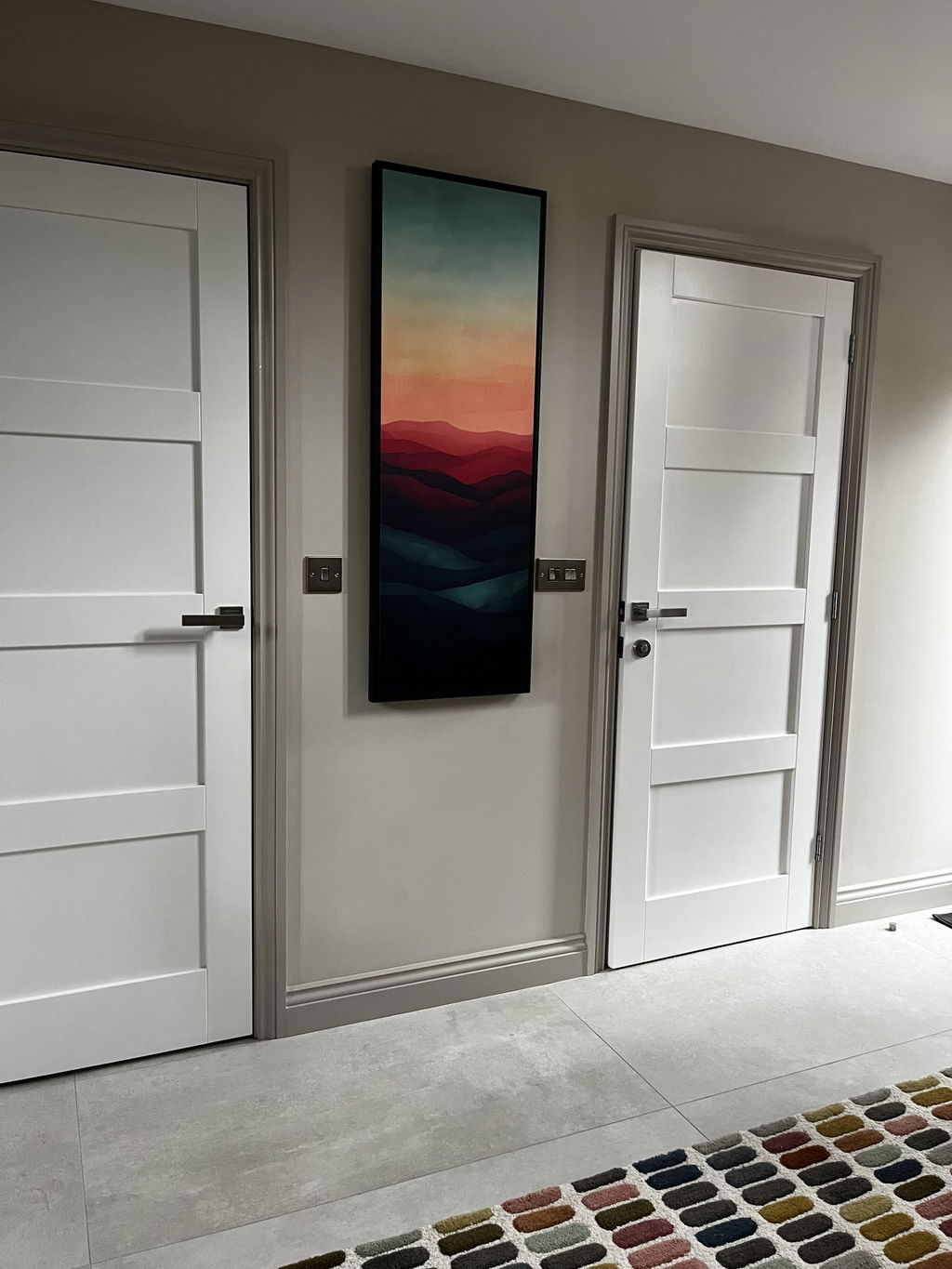
I’m over the moon with my beautiful Sunset wall art. It finishes off my hallway and has received so many compliments from visitors.
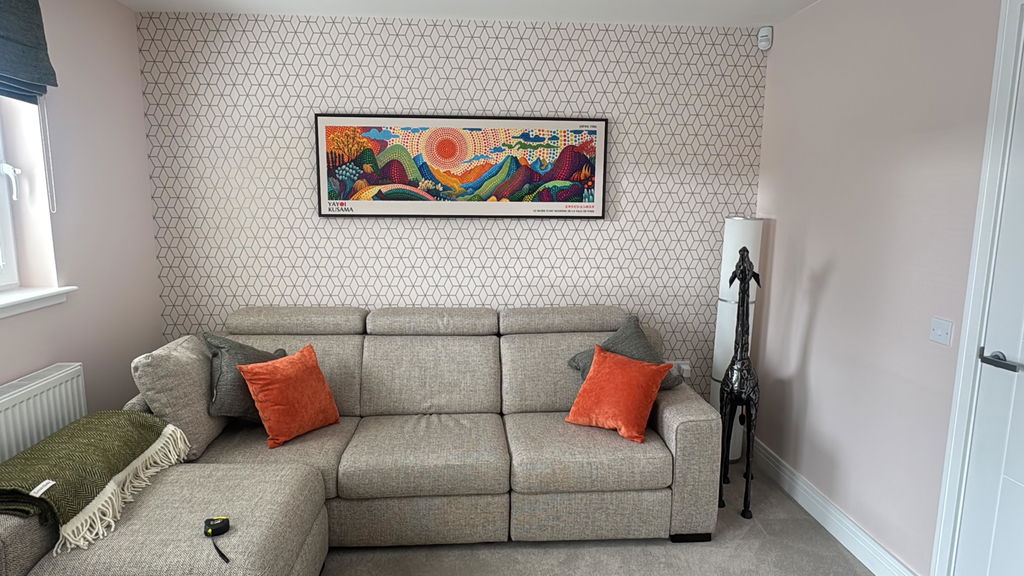
Second piece bought now and both are great. Exactly as described and very well packaged for transit.
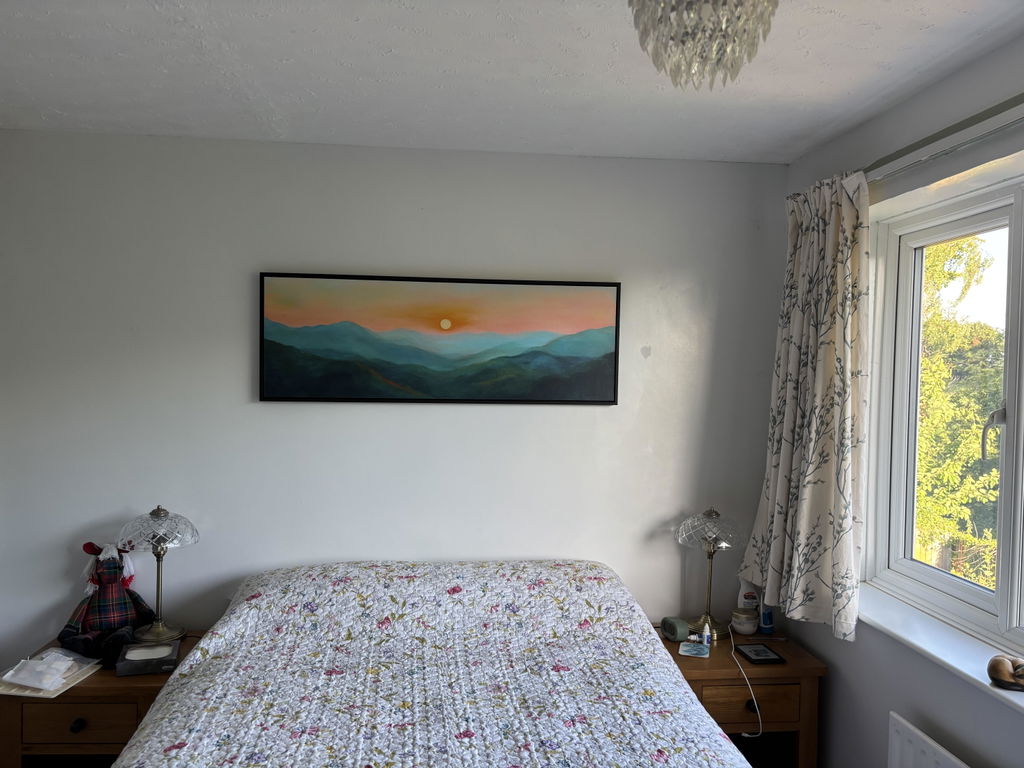
I love the quality and styling of the print, I was unsure about buying something so big without seeing it but I am very happy with the product. The colours are true to the image and the effect with the floating frame is perfect. I would buy again from Atelier, I trust the product and delivery was quick considering it was a specific design, size and frame.
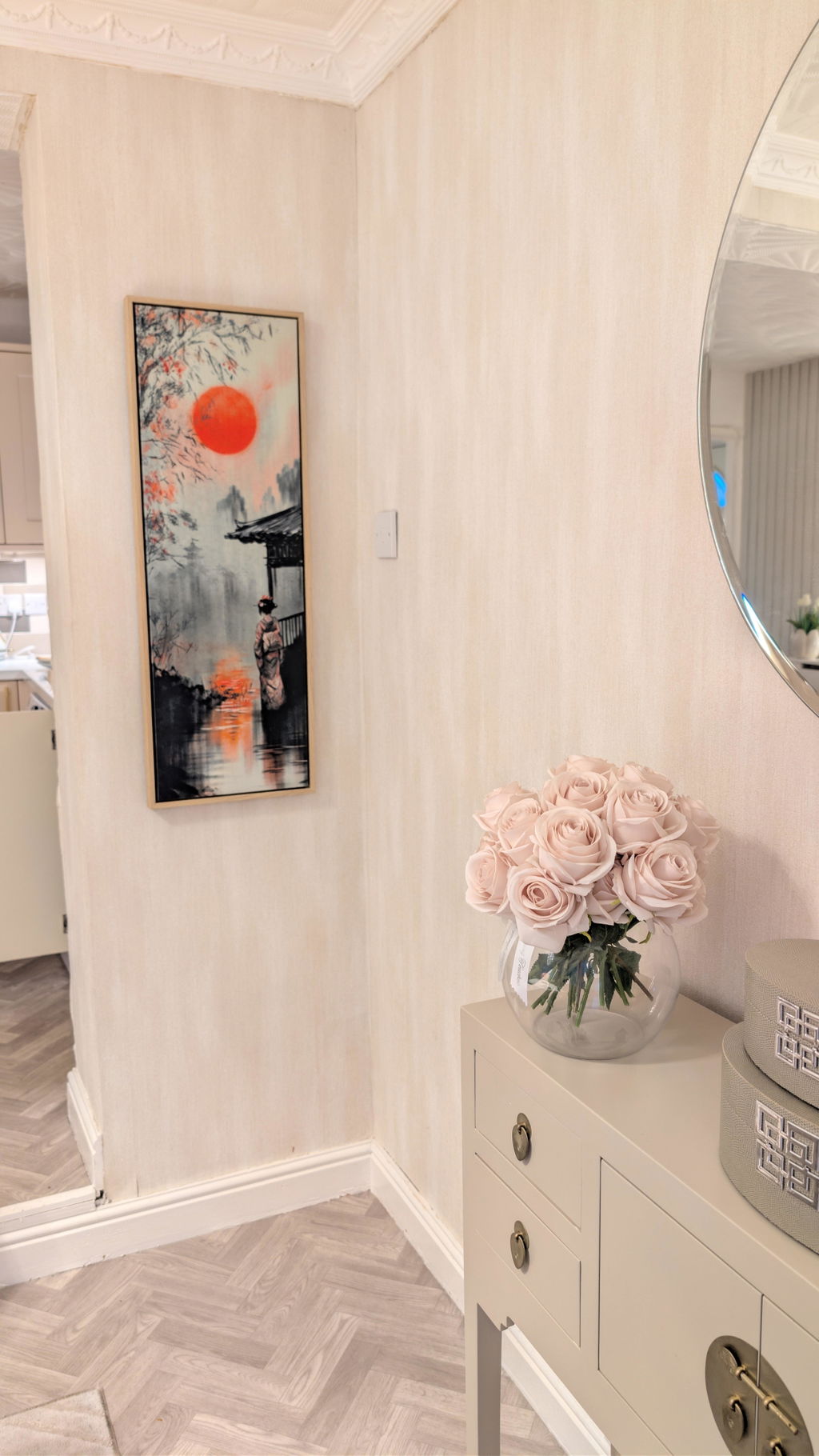
I bought the 30 x 90 canvas with a floating canvas frame in the colour wood and I couldn't be happier with it. Great quality, well packaged. Highly recommend.
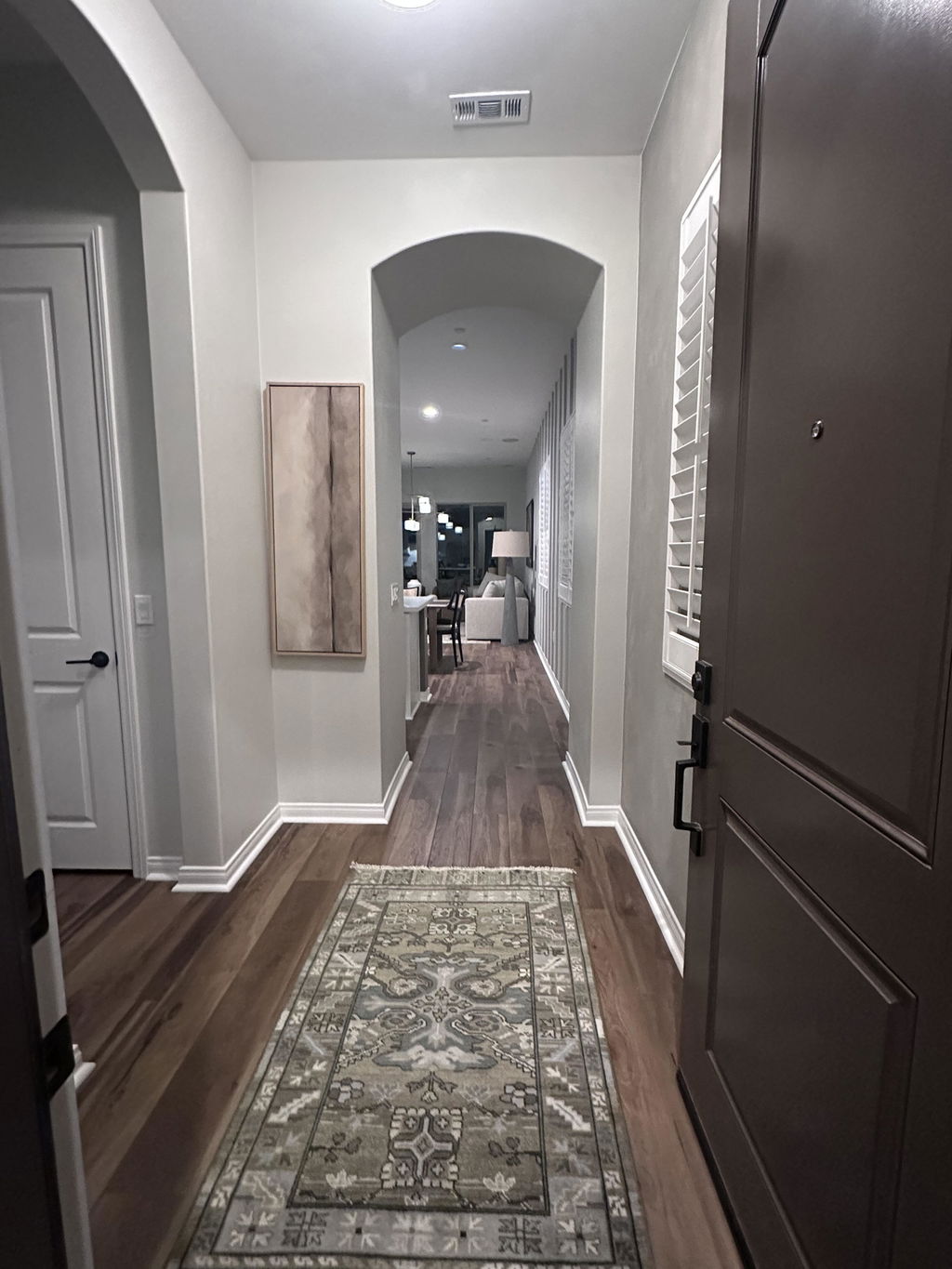
This artwork brought just the right look to my entry that I was trying to achieve. It’s beautiful and calming and in a beautiful quality frame.
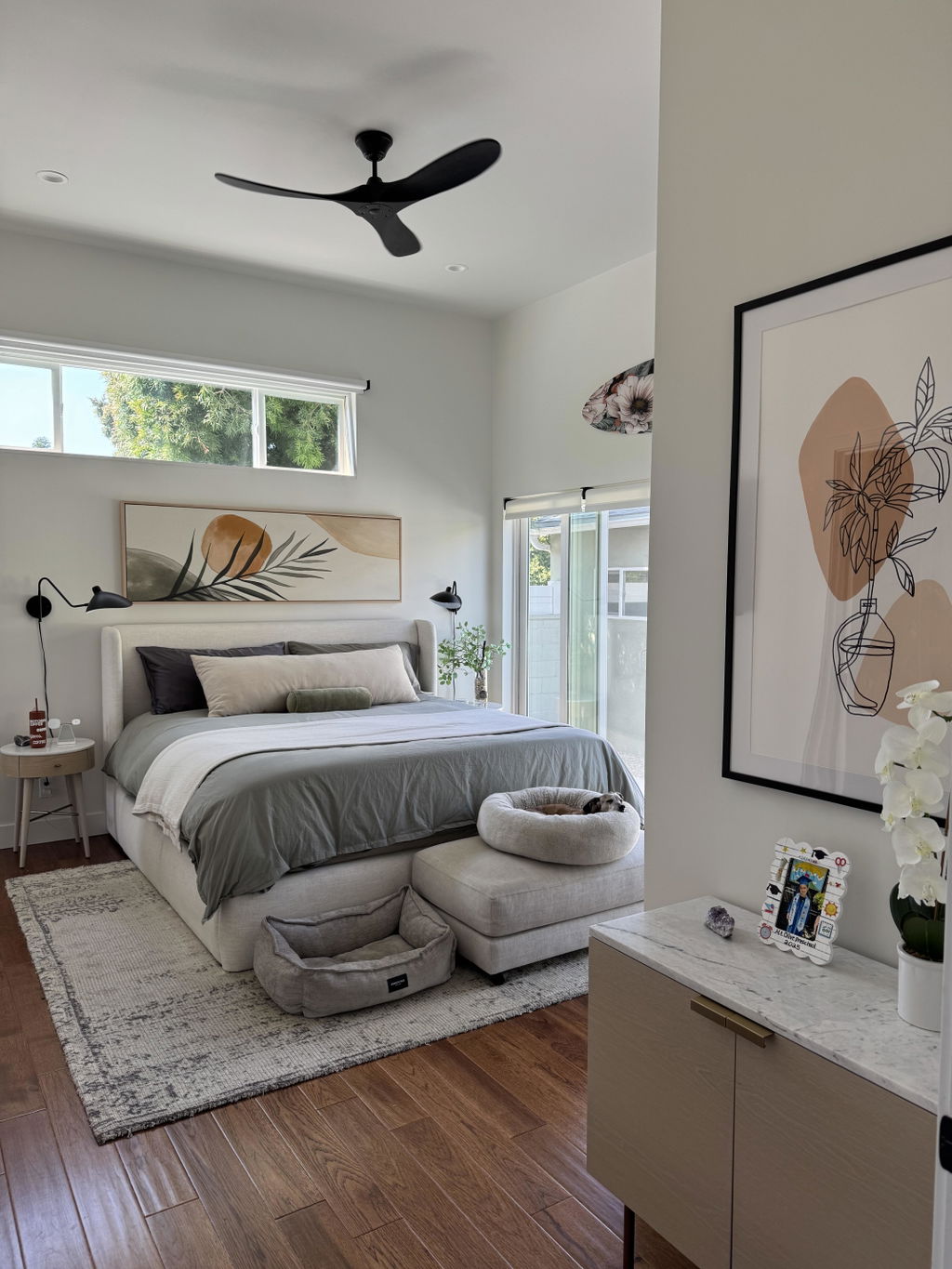
Better than presented online. We love it. Super high quality framing and hardware.
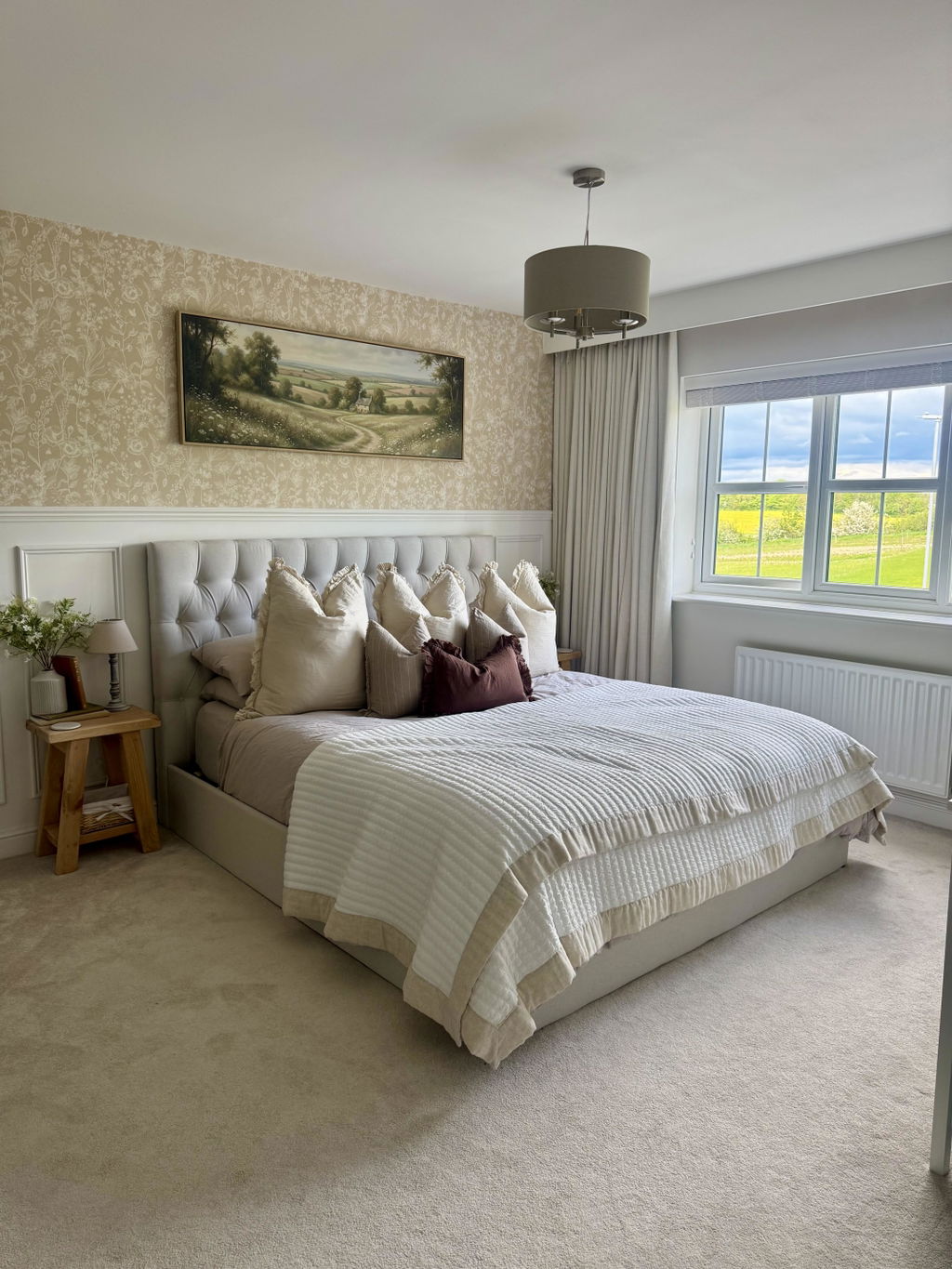
Beautiful artwork! So impressed with the quality, it looks absolutely stunning.
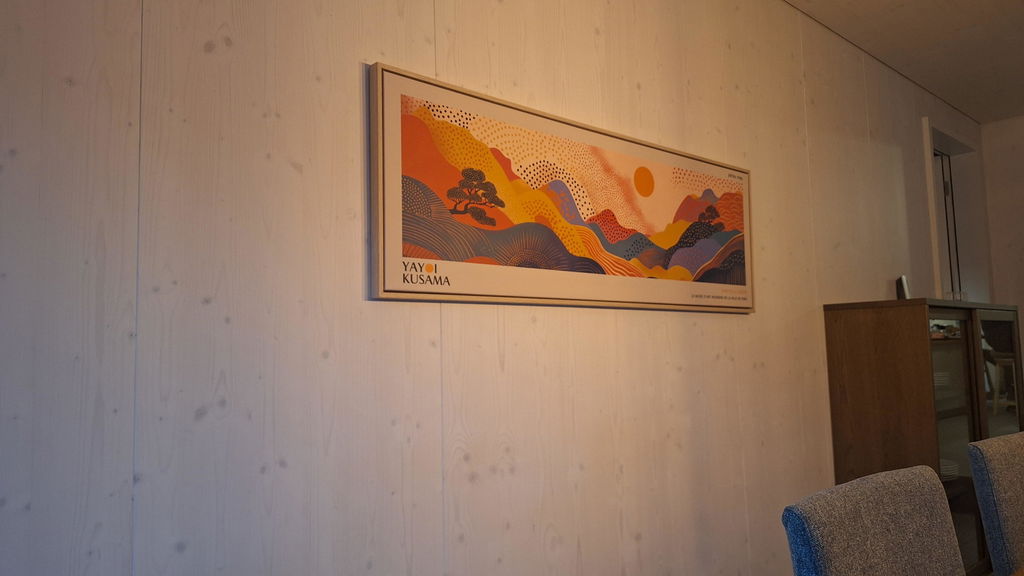
Beautiful!
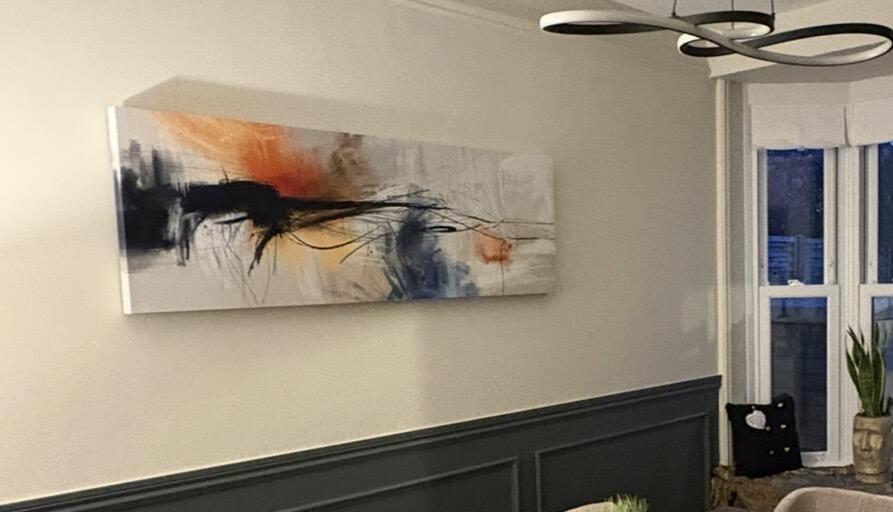
Lovely print. Really good quality & easy to hang