


Art mural de forêts et d’arbres
Art mural représentant des forêts et des arbres dans des formats longs et étroits : impressions sur toile de bois, de pins, de bouleaux et de lisières brumeuses. Les arbres se prêtent mieux que presque tout autre sujet à une toile allongée : un format vertical suit un tronc sur toute la hauteur de l’impression, tandis qu’un format large permet à une lisière de se perdre dans le brouillard comme lors d’un vrai matin.
Faisant partie de notre gamme d’art mural inspiré de la nature, cette collection va de la forêt dense de conifères et des branches nues en hiver aux bouleaux baignés de soleil et aux arbres isolés, dans des tons de vert, de beige doux et de gris doux. Elle s’inscrit dans le prolongement des collections Paysage, Botanique, Fleurs sauvages et prairies et des études de fleurs d’inspiration japonaise. Une impression verticale s’intègre naturellement dans un couloir ou une cage d’escalier, tandis qu’une pièce horizontale trouve idéalement sa place au-dessus d’un canapé ou d’un lit.
Chaque pièce est fabriquée sur commande dans un large choix de dimensions, sur toile tendue ou dans un cadre flottant ou classique, noir, blanc, chêne, noyer ou doré, et arrive prête à être accrochée.


Forest and tree wall art - frequently asked questions
Dimensions, hauteur de suspension et les questions qui nous sont le plus souvent posées.
Should a tree print be tall or wide?
Tall if the subject is a tree - a vertical canvas follows the trunk its full height, which is how you see one standing in front of it. Wide if the subject is a tree line or woodland, where the interest is in depth and fog rather than any single tree. The shape follows the subject more directly here than in most collections.
What size forest print works on a staircase wall?
Measure the wall at its narrowest point rather than its widest, and take about two-thirds of that - usually 16"x48" (40x120cm) or 20"x60" (50x150cm) hung vertically. Stair walls are viewed at an angle and from close range, so height matters more than overall scale.
Do forest prints make a room feel darker?
They can, if the artwork is dense and the room is already short of light. The lighter woodland pieces - birch, mist, bare winter branches - carry a lot of pale space and lift a wall instead. Deep evergreen work is better where there is good daylight, or on the wall opposite a window rather than beside it.
Which frame colour suits a woodland print?
Wood and walnut are the natural pairing, since the frame picks up the subject. Black gives a woodland print more definition against a pale wall; white keeps it soft. All five frame colours are available on every piece, and the choice changes the mood more than people expect.
What is the difference between forest and botanical wall art?
Forest and Trees is trees and woodland as a scene - the whole tree, or a stand of them, with space around it. Botanical is the plant itself: single stems, leaves and pressed-flower studies, seen close up. For open ground and flowers rather than trees, see Wildflower and Meadow.


Laissez-vous inspirer
Nos œuvres d'art, vos murs
Découvrez comment nos clients mettent en valeur les pièces d'Ateliér Printworks dans leurs intérieurs. Des couloirs étroits aux murs d'accent, ces espaces montrent comment les bonnes proportions font toute la différence.
Let customers speak for us
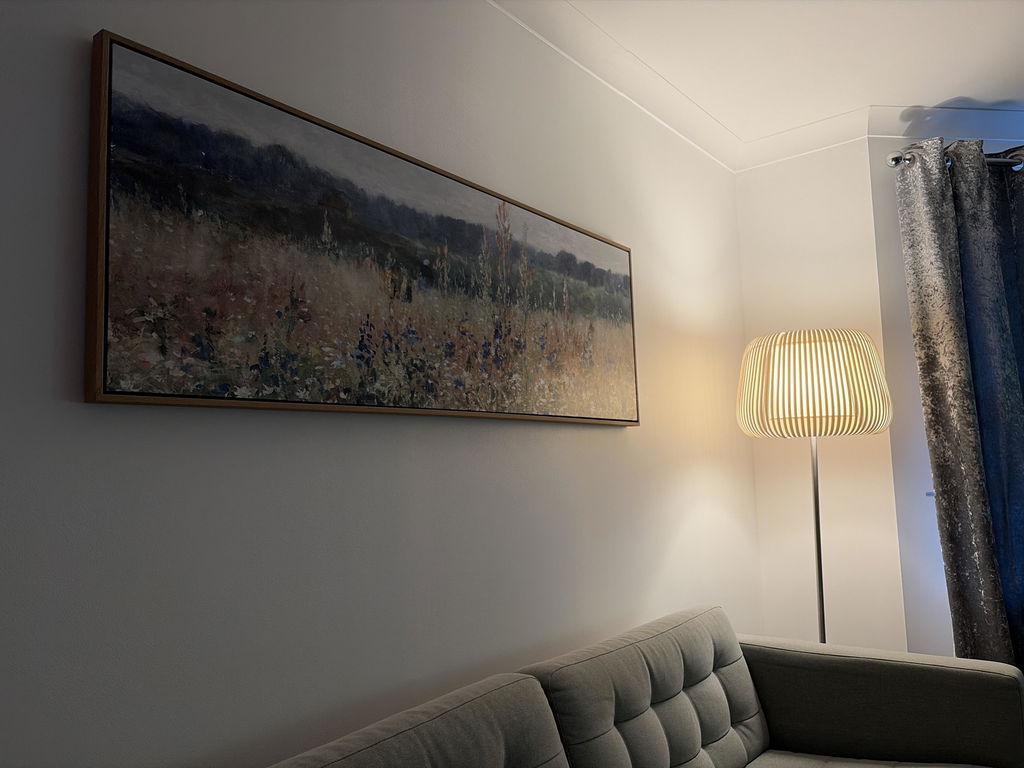
I love the canvas so much! Really finishes off the room! I turned my chair around because I just wasn’t to look at the canvas instead of the TV. The floating frame looks perfect. It’s a great blend of traditional but still with a modern clean look.
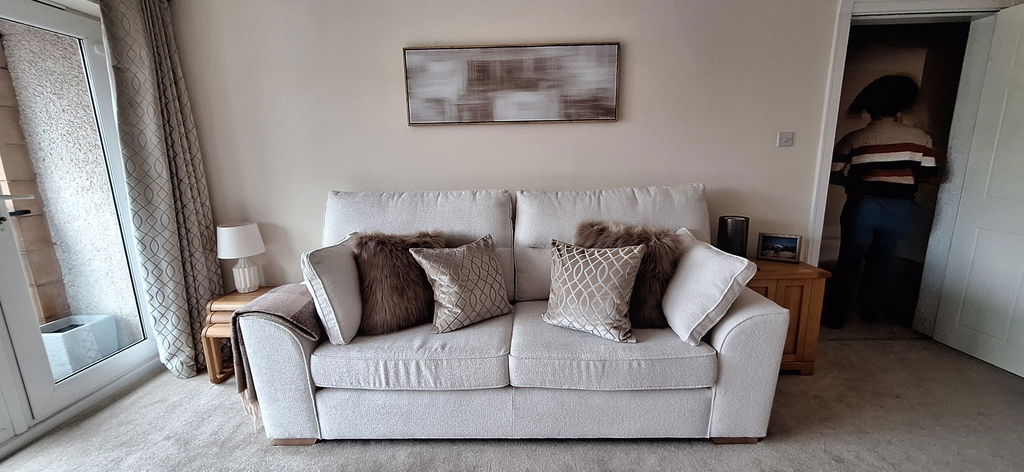
Great quality workmanship from the outset. The quality of the artwork is excellent and the accompanying frame makes the final product a standout in any room.
From the initial decision to the final delivery, the entire process was seamless, with the artwork delivered within five working days.
The hardest part was choosing which wall to hang the canvas on.
Thank you and I'm already looking towards make a further purchase.
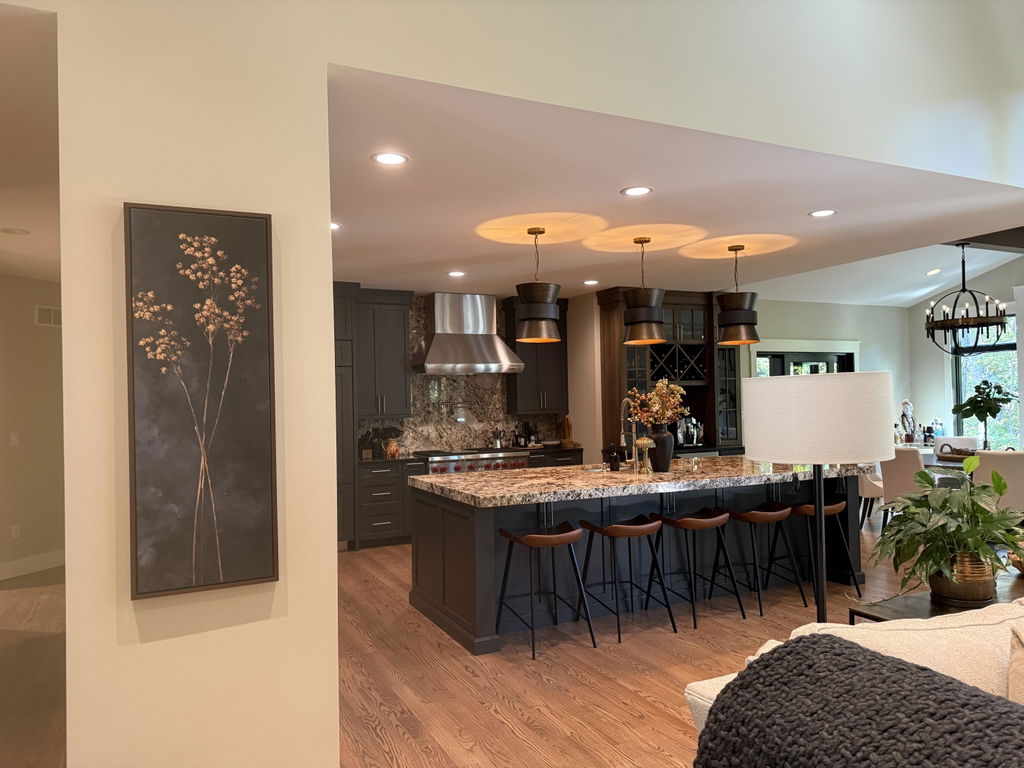
I have searched for a couple of years for a slender piece of art that would be the perfect complement to my kitchen. Scale and color were crucial as I didn’t want to distract from the elements in my kitchen. When this came across my Instagram feed I immediately ordered. The quality is excellent and delivery was fast!
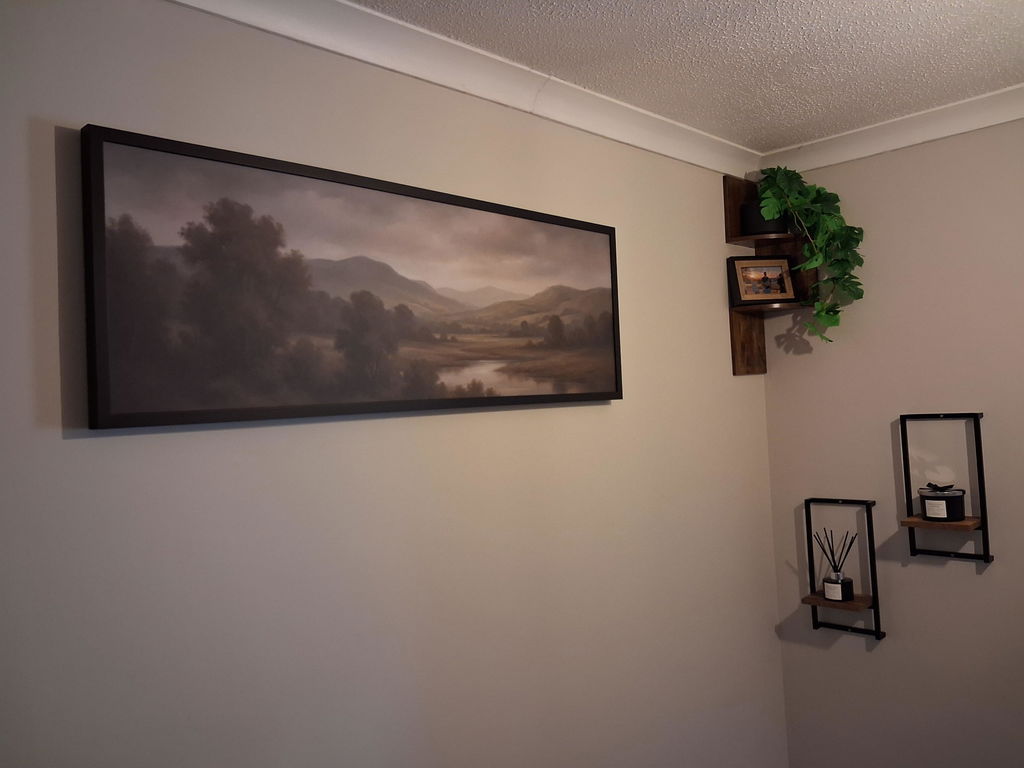
Absolutely Lovely Canvas. Fills the space and is beautifully made.
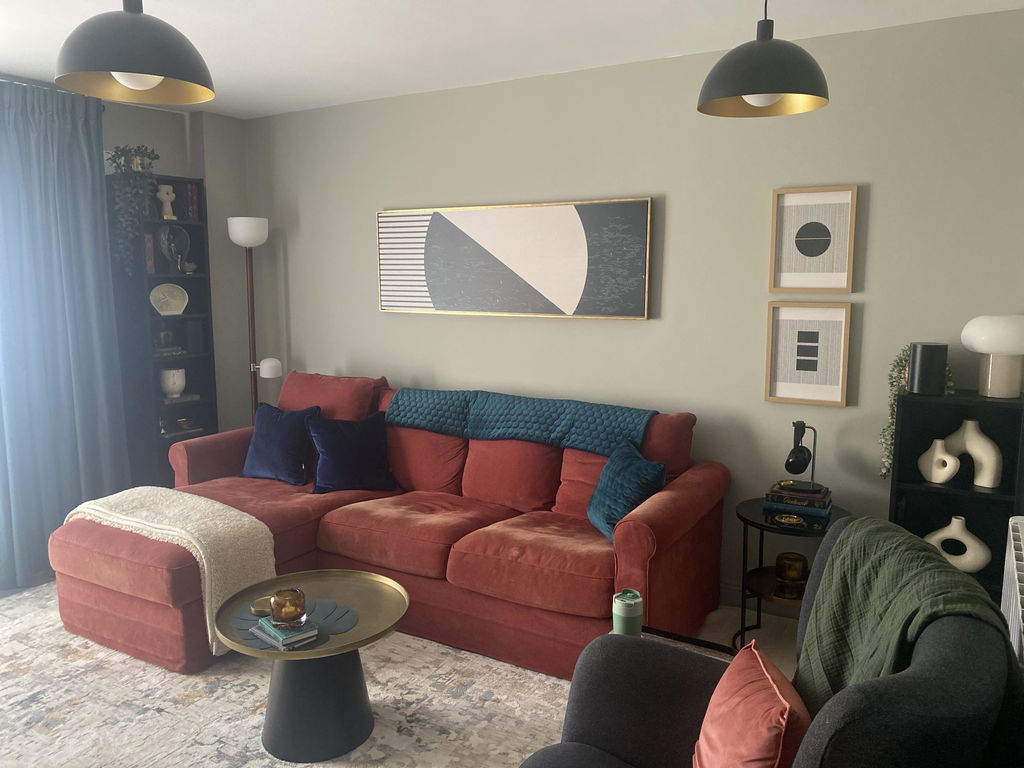
After much consideration I think the canvas I chose looks great for my space - beautifully made, stunning floating gold framed border - the only thing is I wished they used a different delivery service- the canvas arrived in IRL quickly - trying to get it delivered from UPS was a nightmare, I ended up collecting it from their warehouse. The canvase was worth it though.
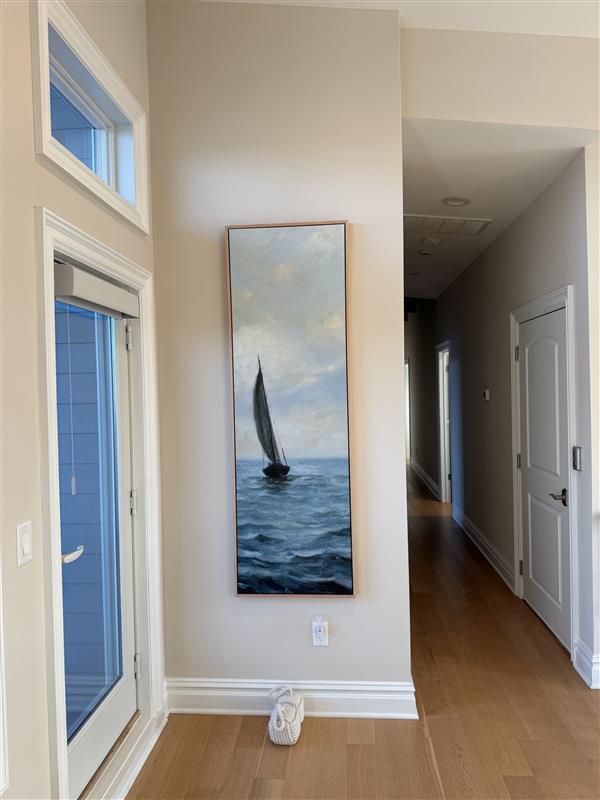
Love this piece! Fit the tall narrow wall exactly as we had hoped. Very impressed with the sturdiness of the piece itself, and the packing/shipping was done professionally.
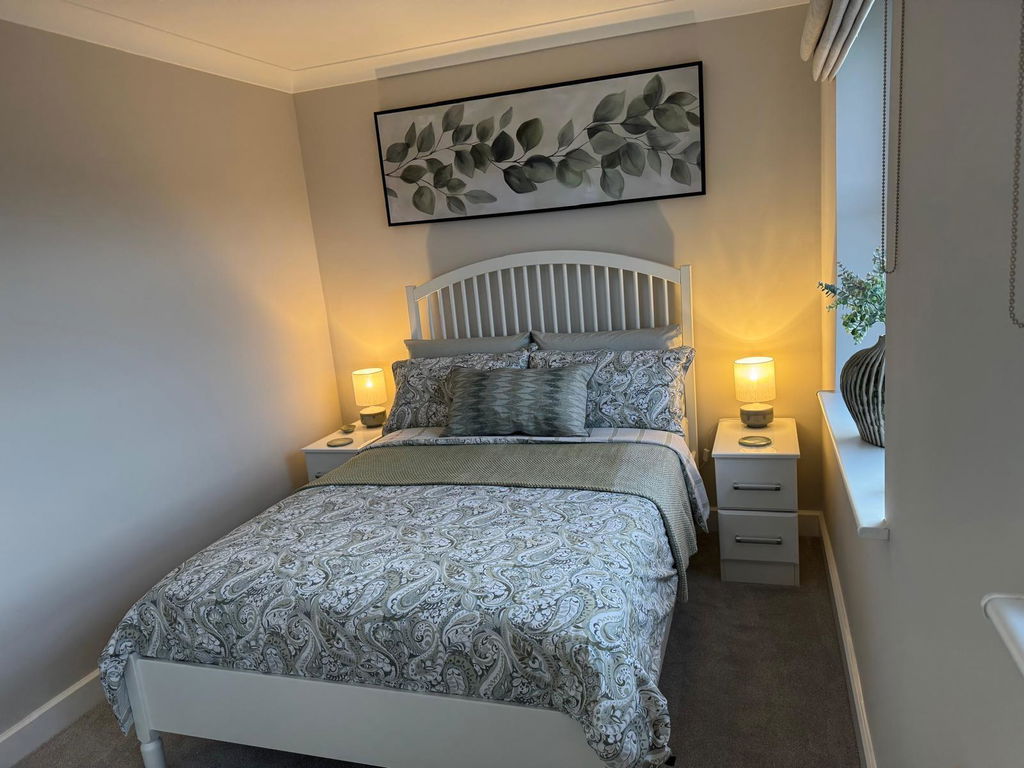
Excellent service, picture looks amazing and arrived very quickly and was very well packaged. Easy to install on the wall and looks superb..
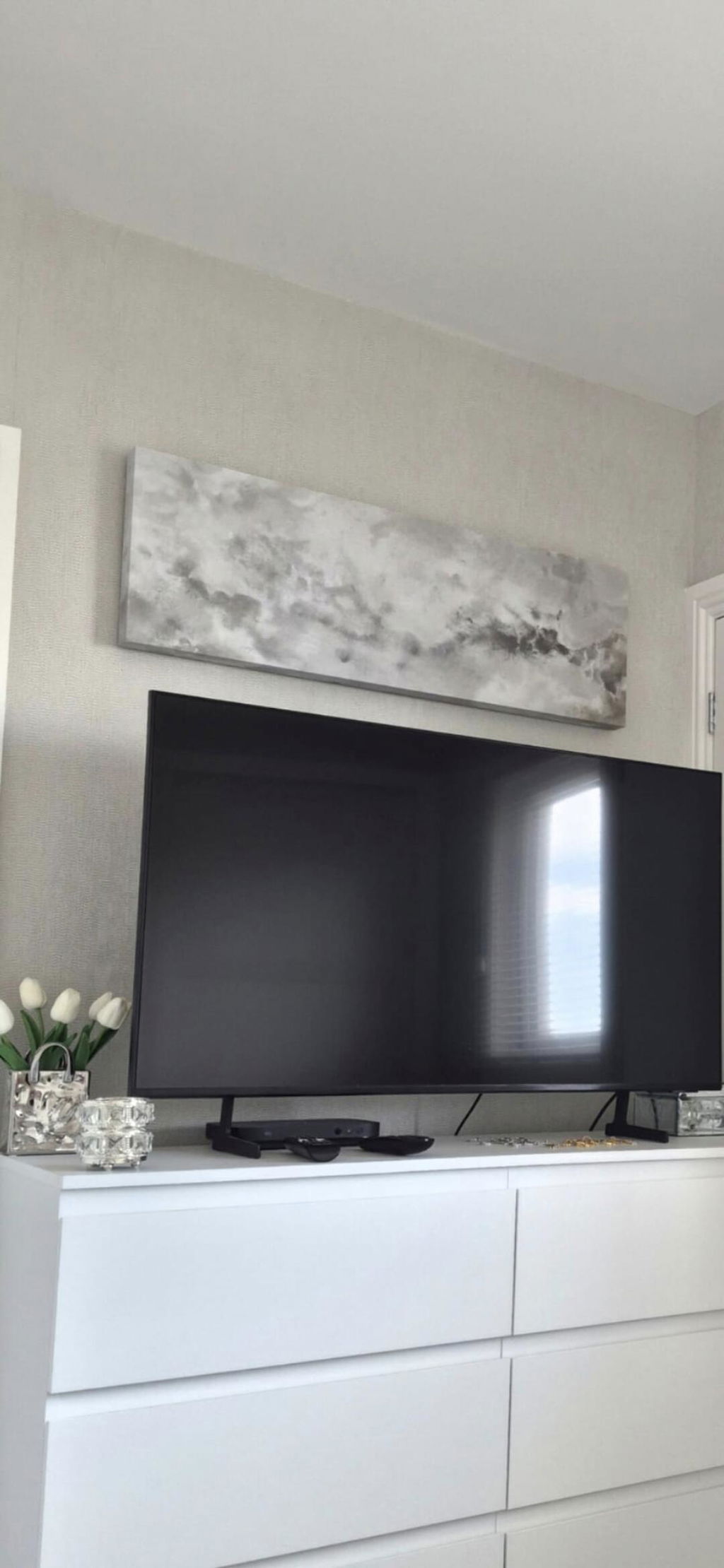
Lovely picture, great quality and supernatural delivered. Would definitely recommend
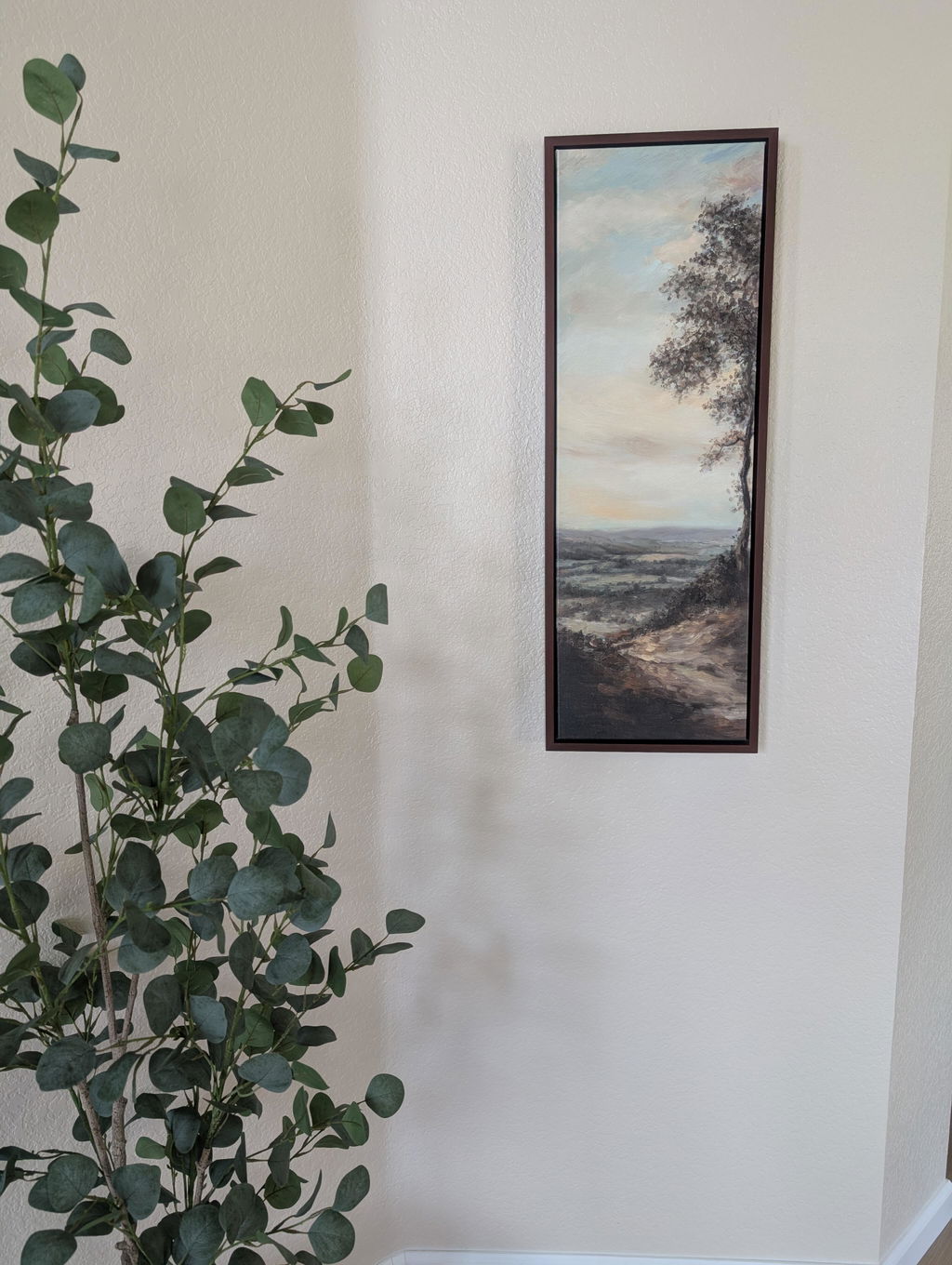
Beautiful picture for a narrow wall. The colors are prettier in person.
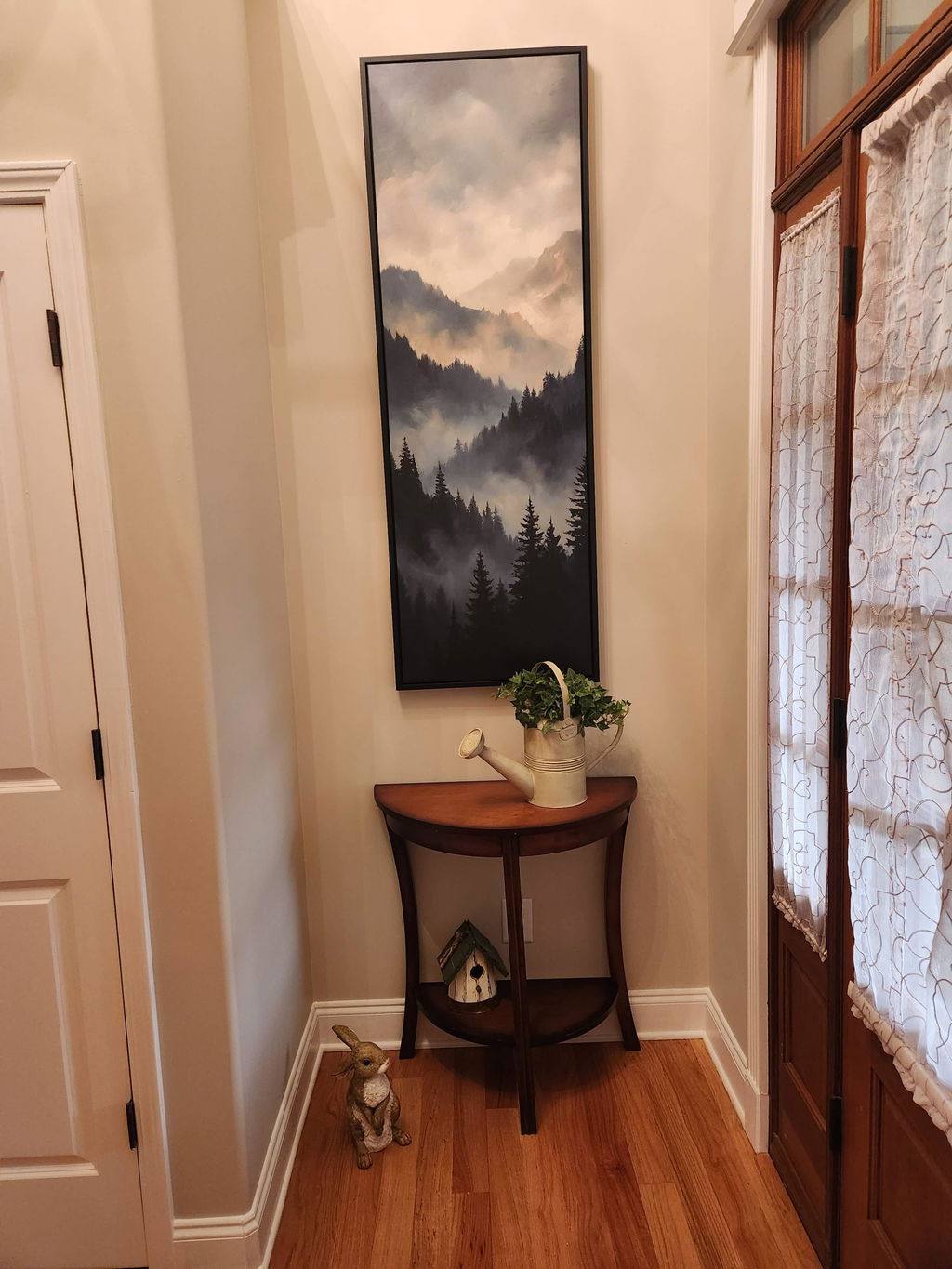
We received our print in a timely manner. Upon unpacking, we noticed a bulge in the canvas and some lines in the canvas and imprint from the wood that goes across in the back. I reached out and the company sent another one that came perfect. It is now displayed in our foyer and looks great!
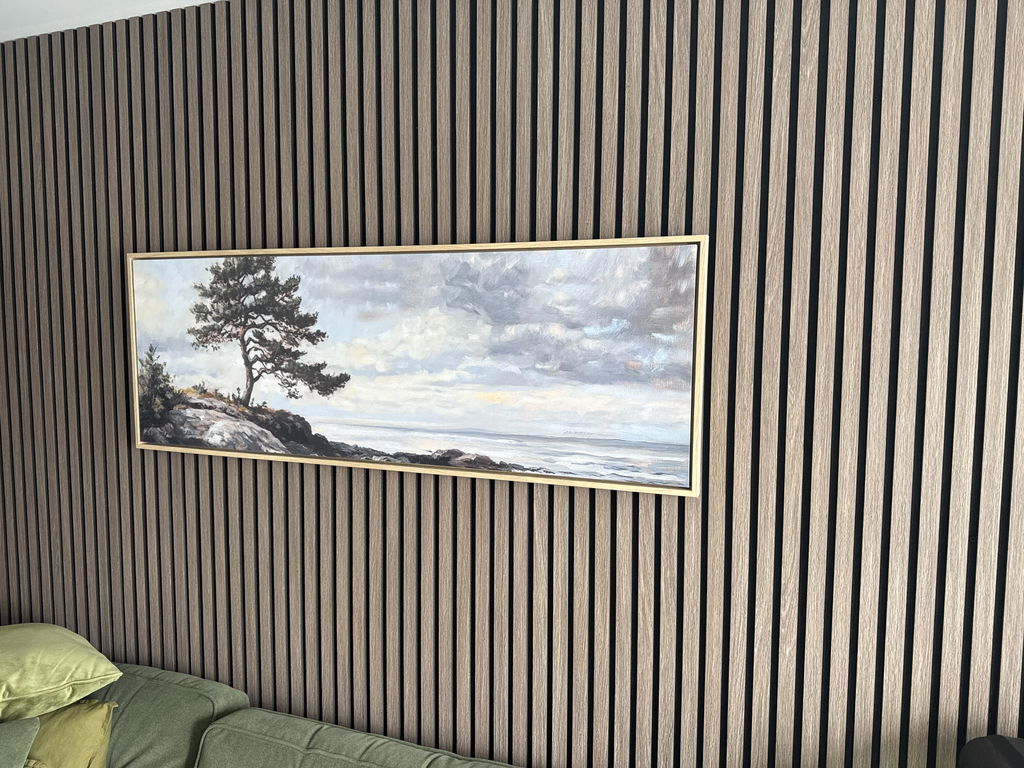
Beautiful, just as I wanted, excellent framing and a swift delivery
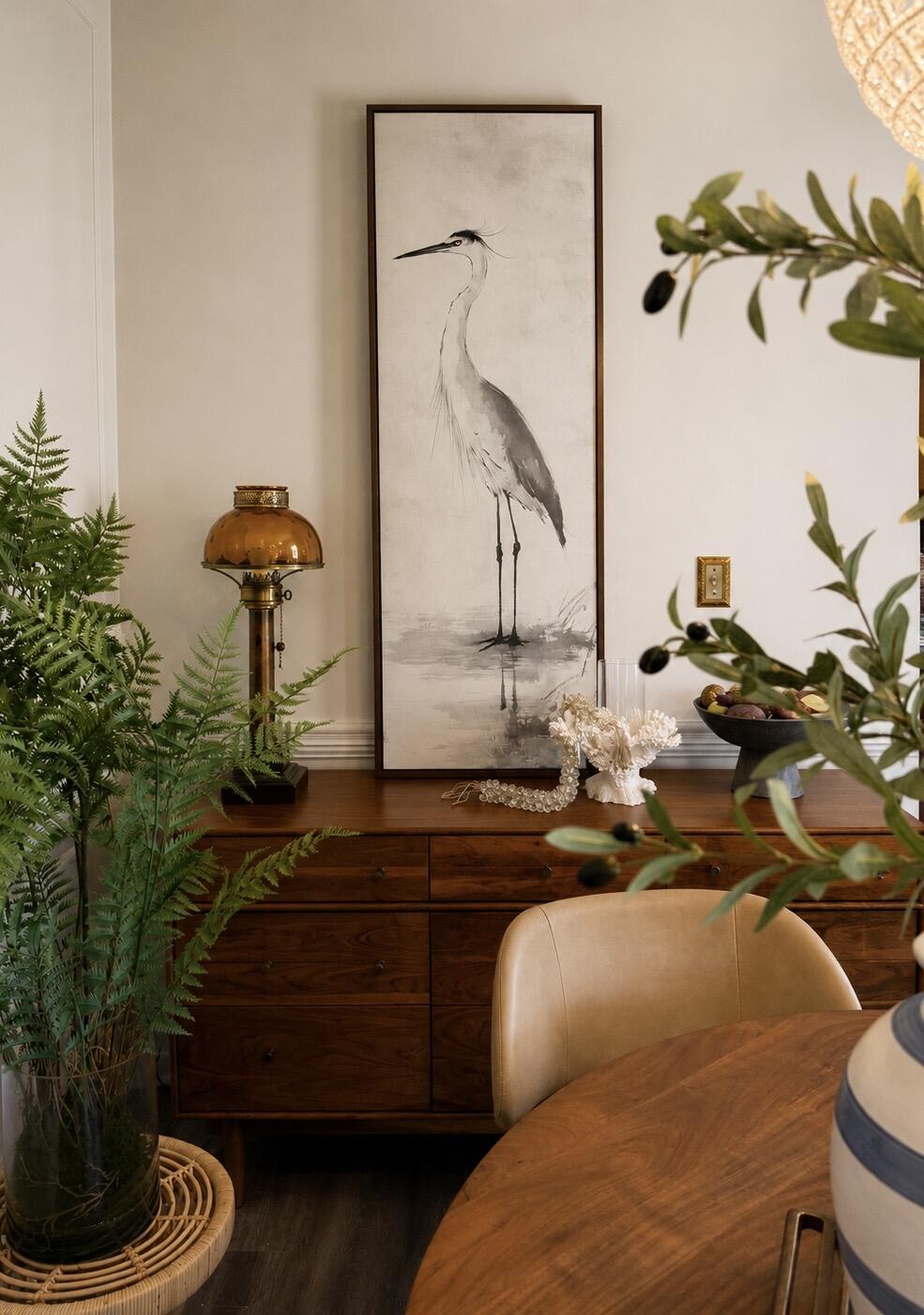
The perfect statement piece. The graceful heron, soft neutral palette, and walnut floating frame brought warmth and serenity to our dining room. It feels elegant, timeless, and collected rather than trendy. The quality is exceptional and the artwork looks even more beautiful in person than online. I love it so much, that I’m going to order another!
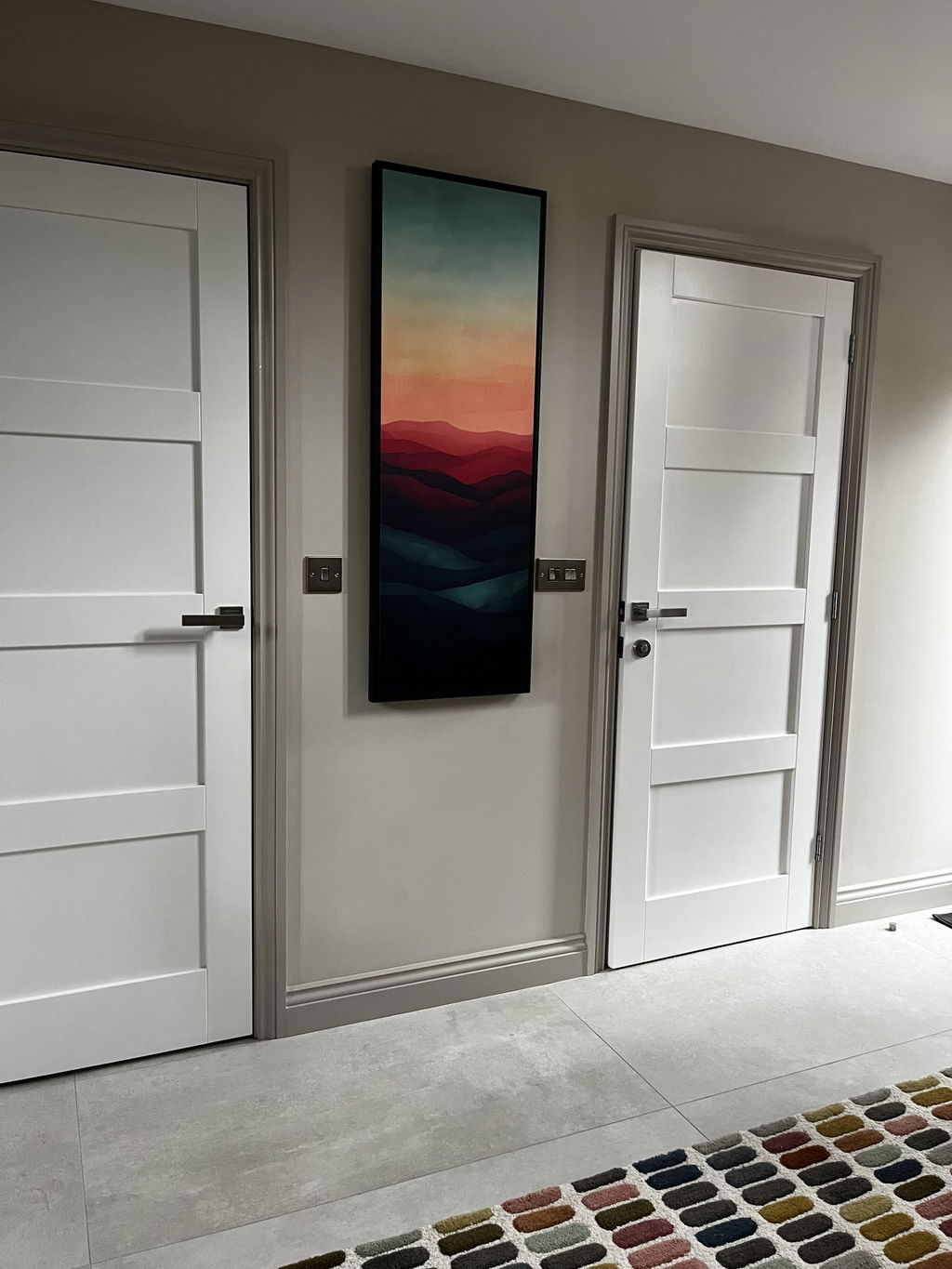
I’m over the moon with my beautiful Sunset wall art. It finishes off my hallway and has received so many compliments from visitors.
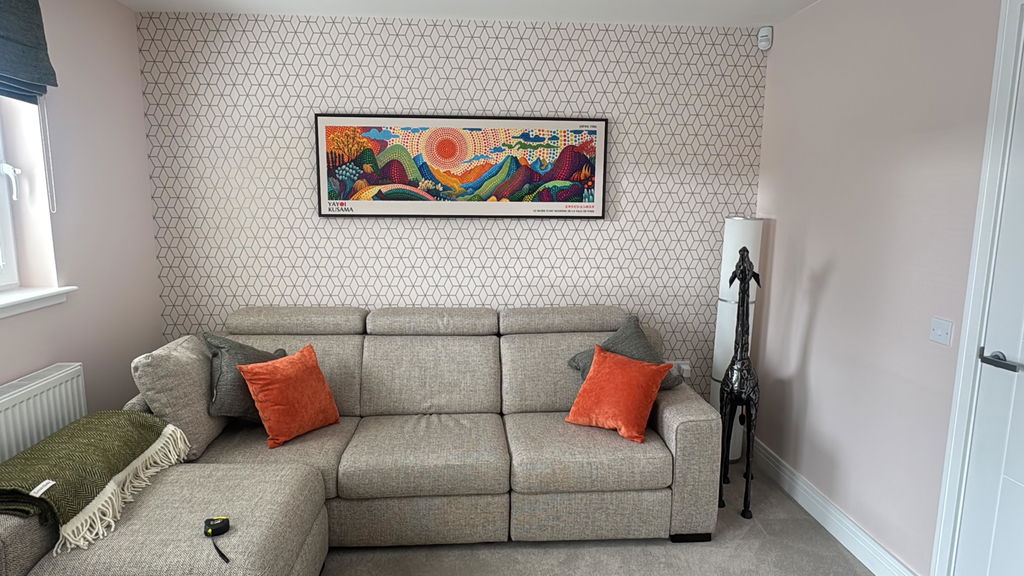
Second piece bought now and both are great. Exactly as described and very well packaged for transit.
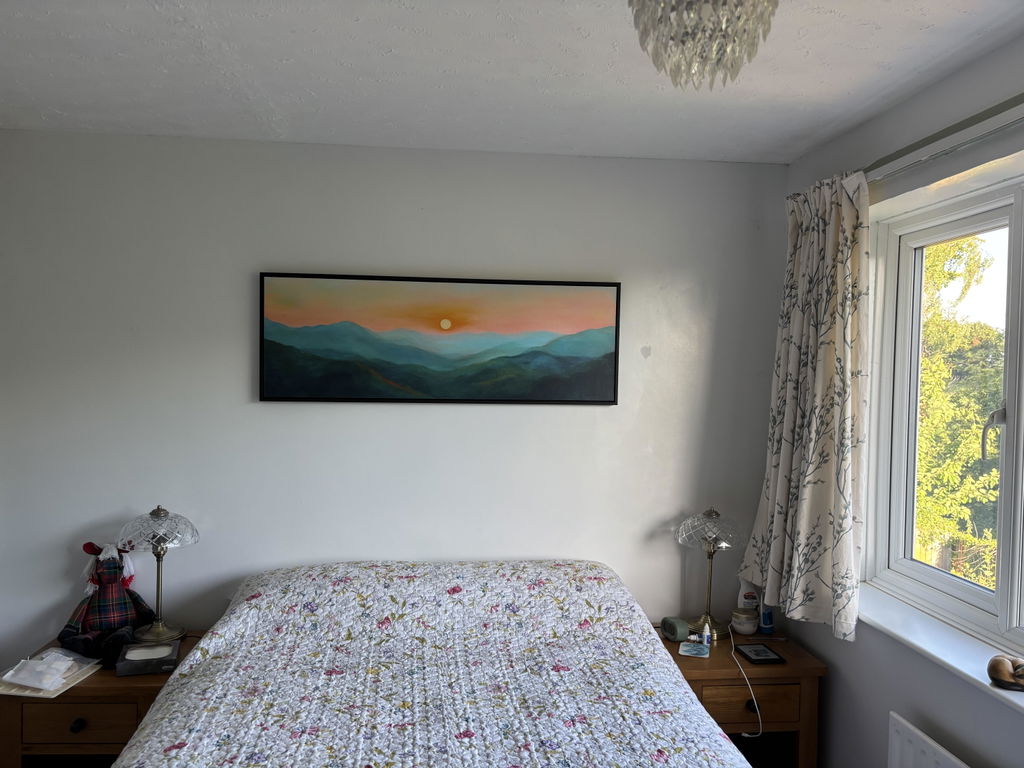
I love the quality and styling of the print, I was unsure about buying something so big without seeing it but I am very happy with the product. The colours are true to the image and the effect with the floating frame is perfect. I would buy again from Atelier, I trust the product and delivery was quick considering it was a specific design, size and frame.