


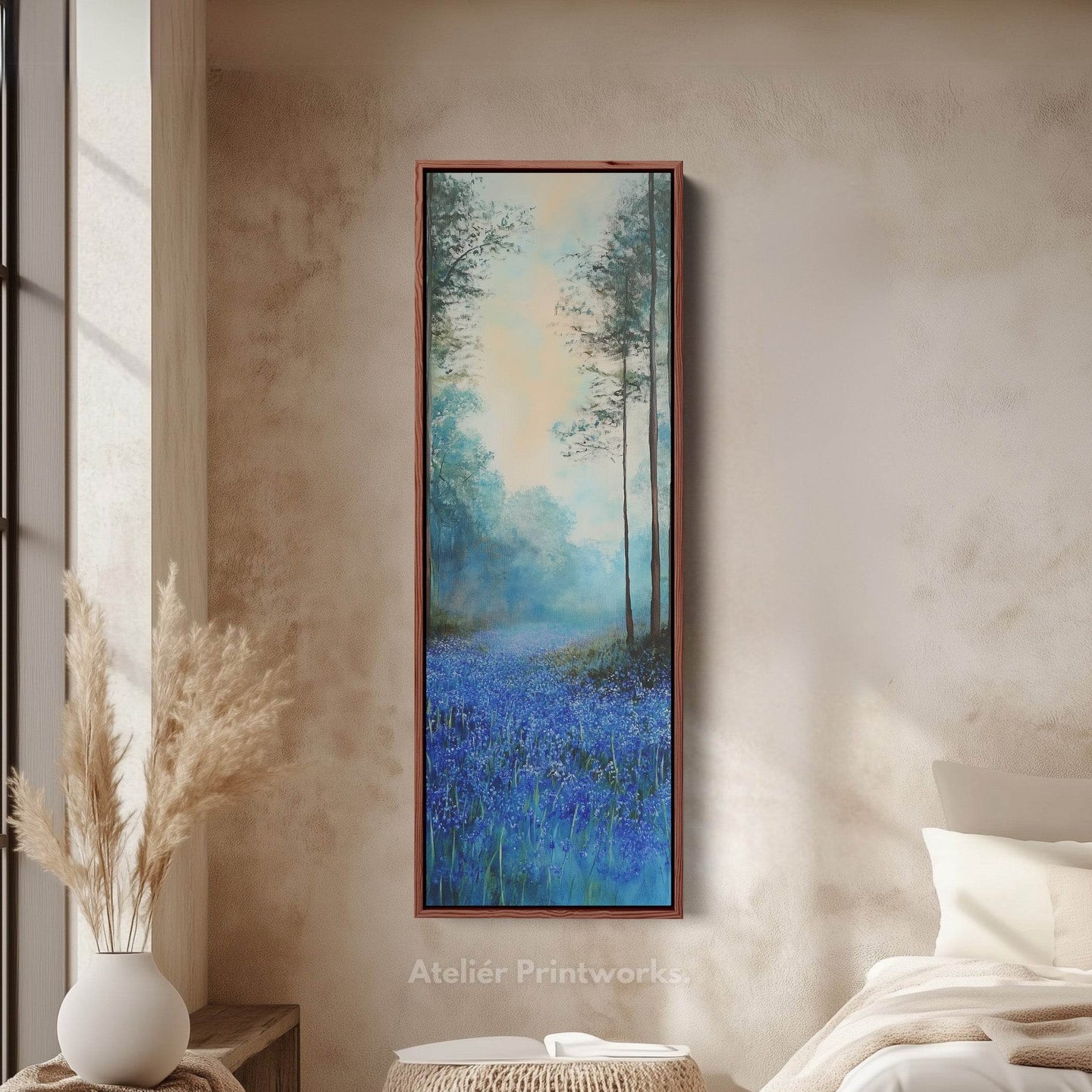
Nature
Art mural nature dans des formats longs et étroits : impressions sur toile de paysages, de forêts, de montagnes et de plans d’eau, conçues pour les murs qui ont besoin de largeur ou de hauteur plutôt que d’un carré au centre. Les proportions panoramiques conviennent mieux qu’aucune autre forme aux paysages : l’horizon peut s’étendre, et la scène gagne en profondeur et en sérénité.
La collection comprend des montagnes et des lacs brumeux, des scènes de forêts et de prairies, des vues côtières et des ciels aux tonalités douces, dans des palettes allant du vert sauge et de la pierre aux tons forestiers plus profonds. Une pièce horizontale de grand format trouve naturellement sa place au-dessus d’un canapé ou d’un lit, tandis qu’une impression verticale fait entrer la nature dans un couloir ou une cage d’escalier.
Fabriquées sur commande dans différents formats, ces œuvres sont proposées sur toile tendue ou dans un cadre flottant ou classique, noir, blanc, en chêne, noyer ou doré, et livrées prêtes à accrocher.


Nature wall art - frequently asked questions
Dimensions, hauteur de suspension et les questions qui nous sont le plus souvent posées.
Why do landscapes suit a long horizontal canvas?
Because a landscape is a horizontal subject. In a panoramic format the horizon has somewhere to run, and the scene gains the sense of depth and distance you get standing in front of the real view. Crop the same image into a square and you lose most of that - the eye stops at the edges instead of travelling into the picture.
What size landscape wall art should you buy?
Bigger than for a detailed or figurative image. A landscape needs room for its depth to register - 20"x60" (50x150cm), 24"x72" (60x180cm) or 30"x60" (75x150cm) above a sofa or bed, and 16"x48" (40x120cm) or 20"x40" (50x100cm) on a smaller wall. At 12"x36" (30x90cm) and below, a wide landscape starts to read as a strip rather than a view.
What nature subjects work best indoors?
Misty mountains, still water, woodland and open meadow scenes are the most livable - they carry depth without demanding attention. Dramatic weather, strong sunsets and high-contrast scenes make a stronger statement but tire faster in a room you sit in every day. Muted sage, stone and forest palettes sit more easily against furniture than saturated ones.
Does nature art actually make a room feel calmer?
There is reasonable evidence that people report lower stress in indoor spaces with views of nature or images of natural scenes, though the research is largely on self-reported wellbeing rather than anything stronger. Practically, muted natural palettes and open horizons do tend to read as restful, which is why they are a common choice for bedrooms.
Should nature wall art be horizontal or vertical?
Horizontal for landscapes, water and open scenes, where the width carries the distance. Vertical for forests, waterfalls and single trees, where the height is the subject - a tall canvas lets a trunk or a fall of water run the full length of the piece. Match the format to what the scene is doing rather than to the wall alone.


Laissez-vous inspirer
Nos œuvres d'art, vos murs
Découvrez comment nos clients mettent en valeur les pièces d'Ateliér Printworks dans leurs intérieurs. Des couloirs étroits aux murs d'accent, ces espaces montrent comment les bonnes proportions font toute la différence.
Let customers speak for us
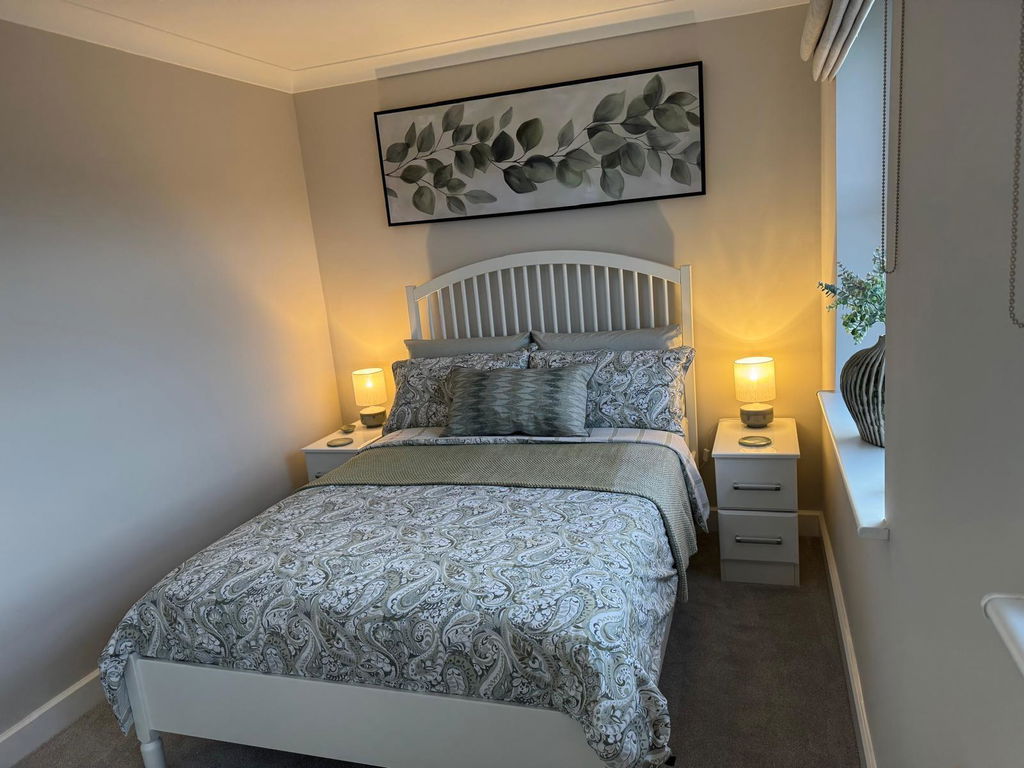
Excellent service, picture looks amazing and arrived very quickly and was very well packaged. Easy to install on the wall and looks superb..
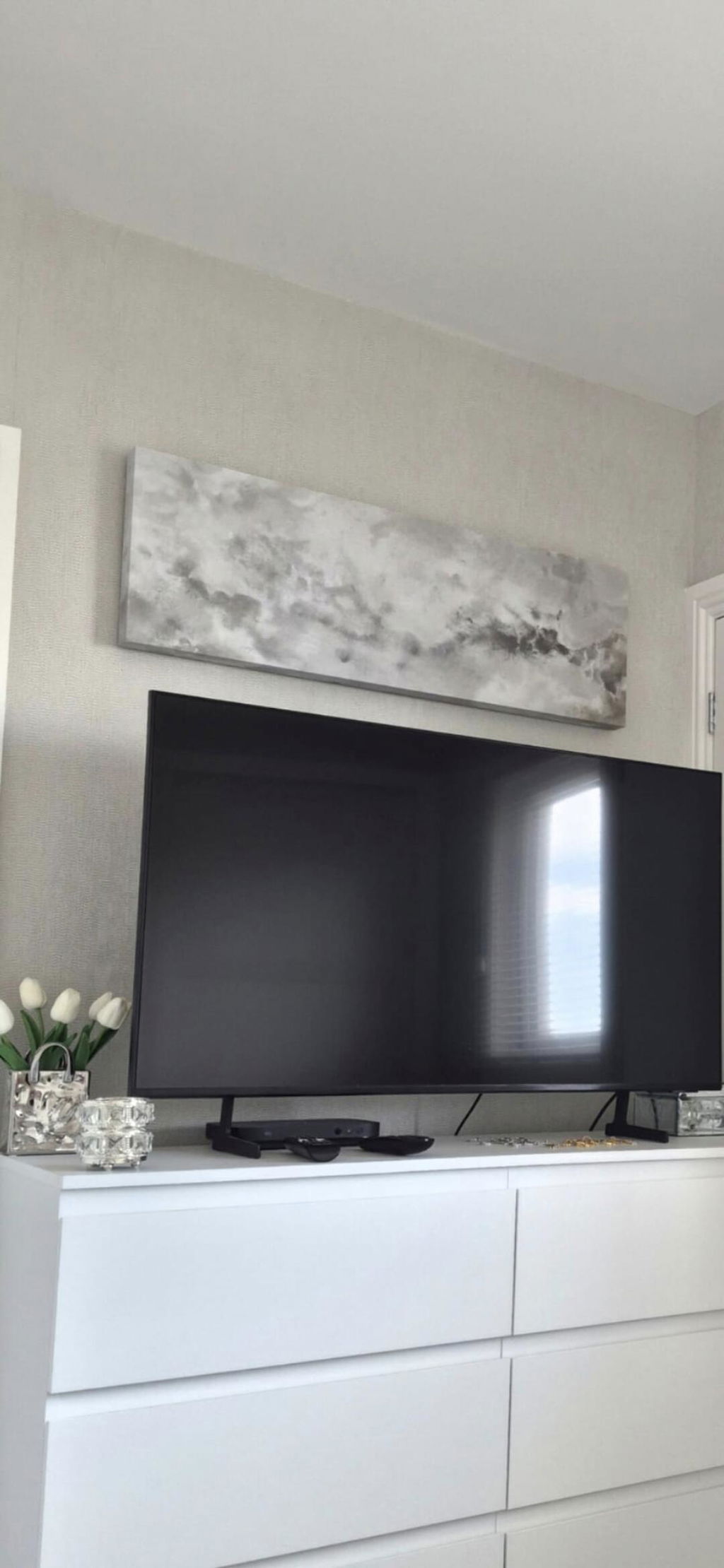
Lovely picture, great quality and supernatural delivered. Would definitely recommend
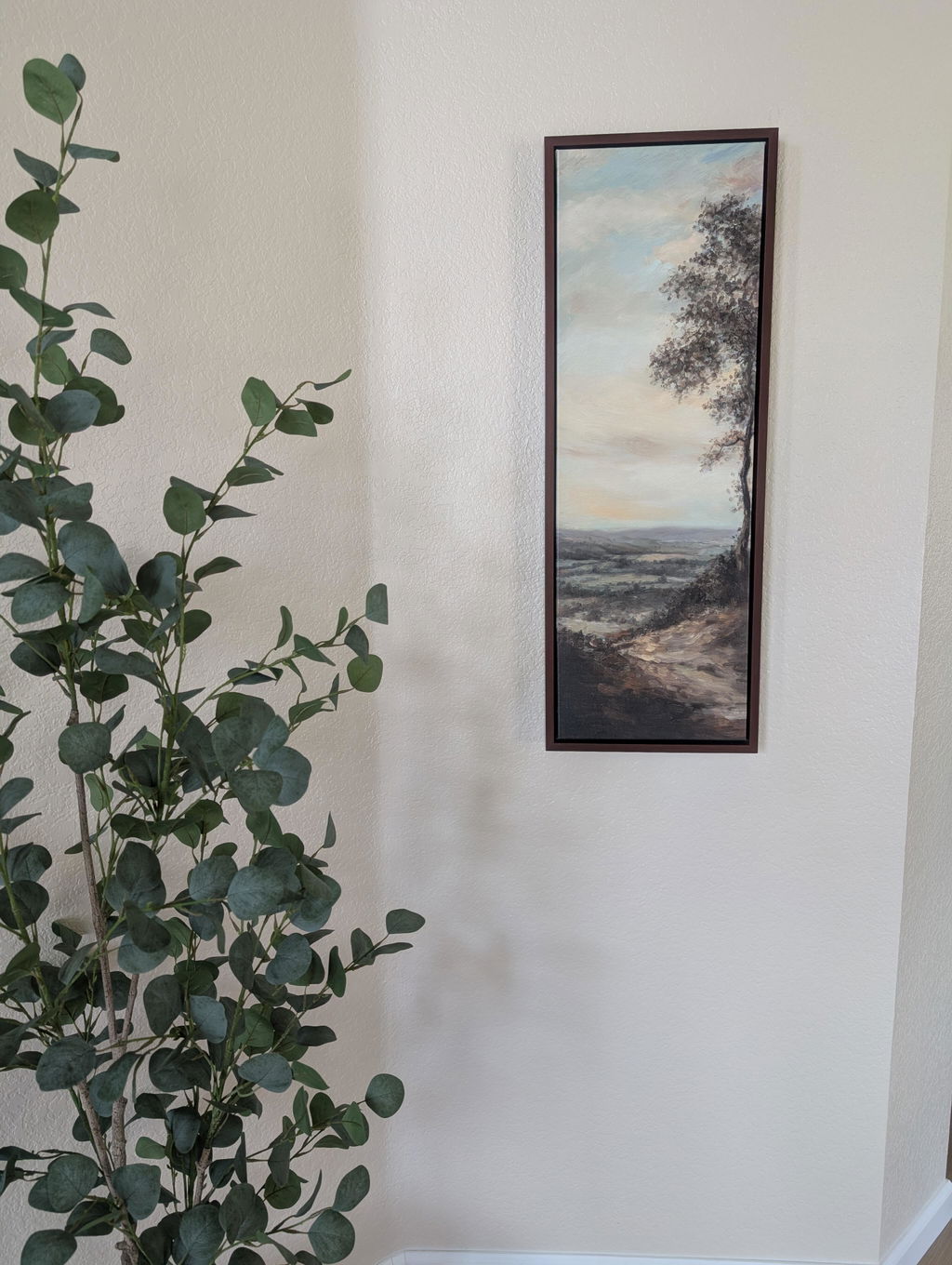
Beautiful picture for a narrow wall. The colors are prettier in person.
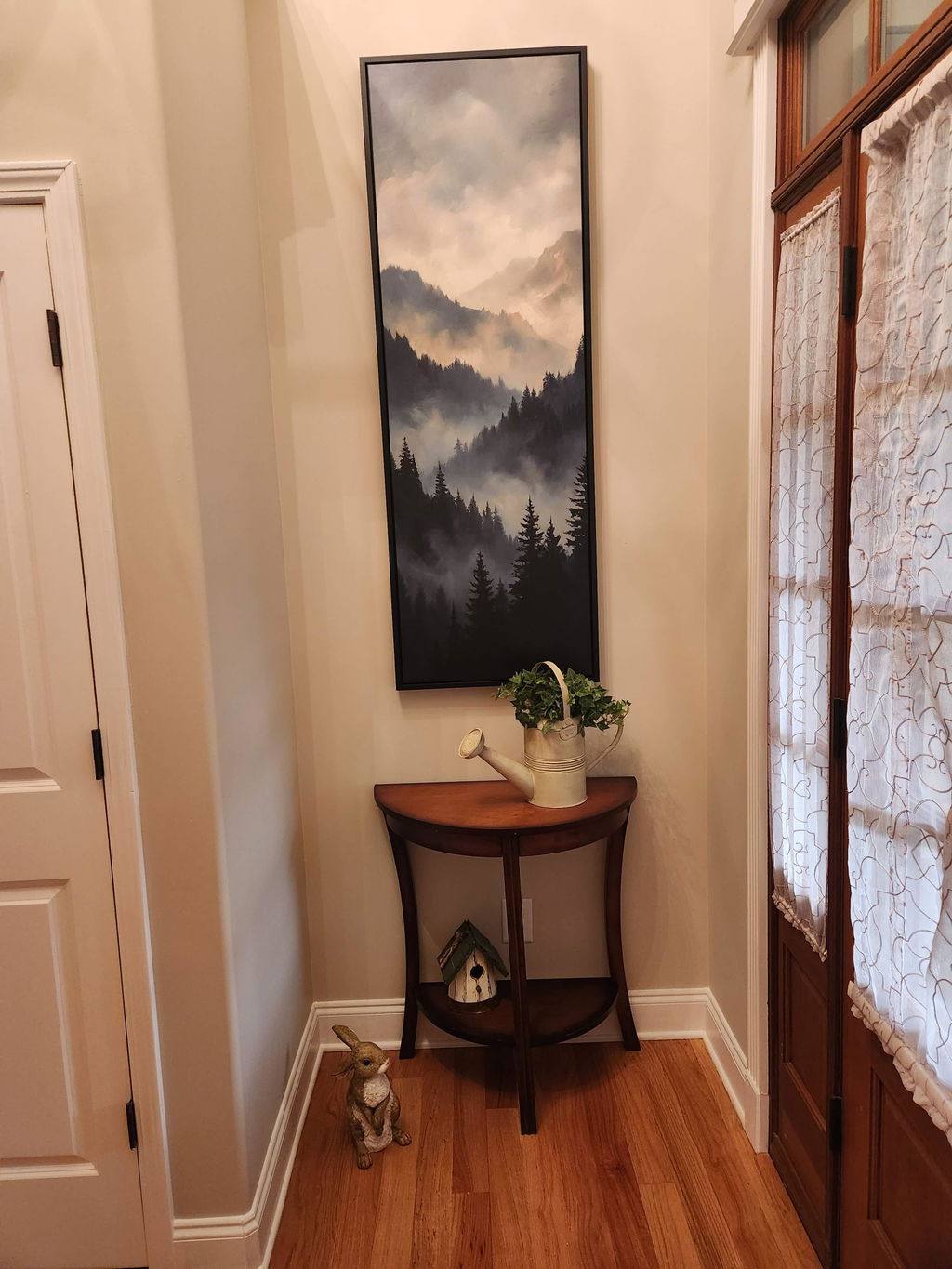
We received our print in a timely manner. Upon unpacking, we noticed a bulge in the canvas and some lines in the canvas and imprint from the wood that goes across in the back. I reached out and the company sent another one that came perfect. It is now displayed in our foyer and looks great!
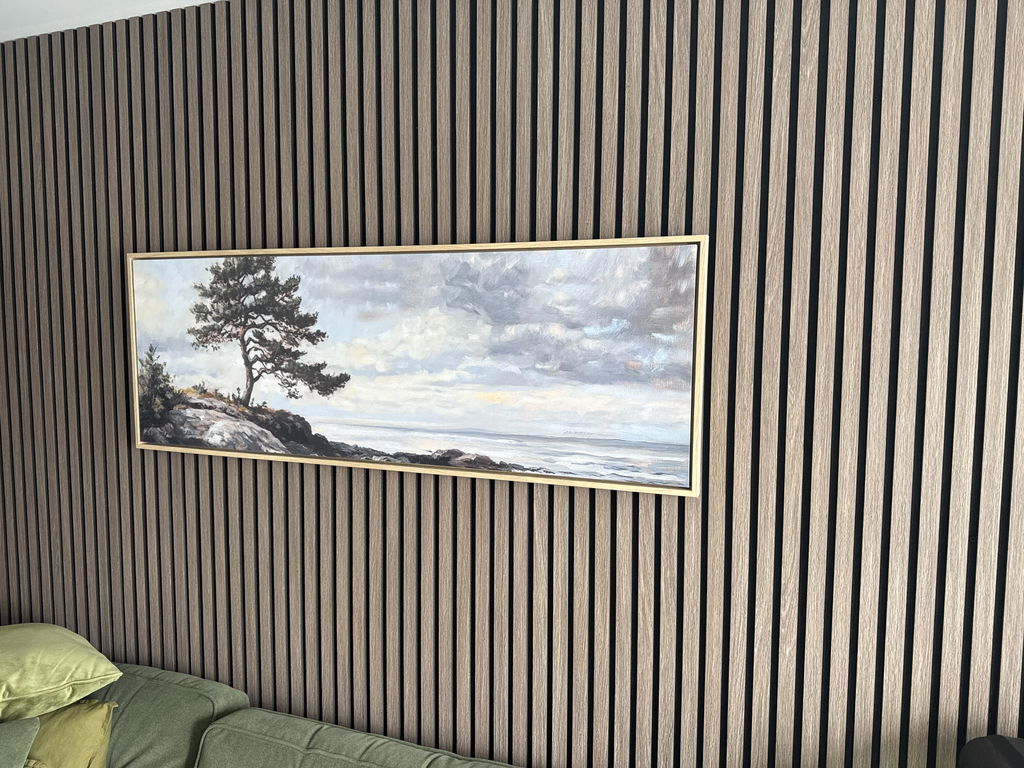
Beautiful, just as I wanted, excellent framing and a swift delivery
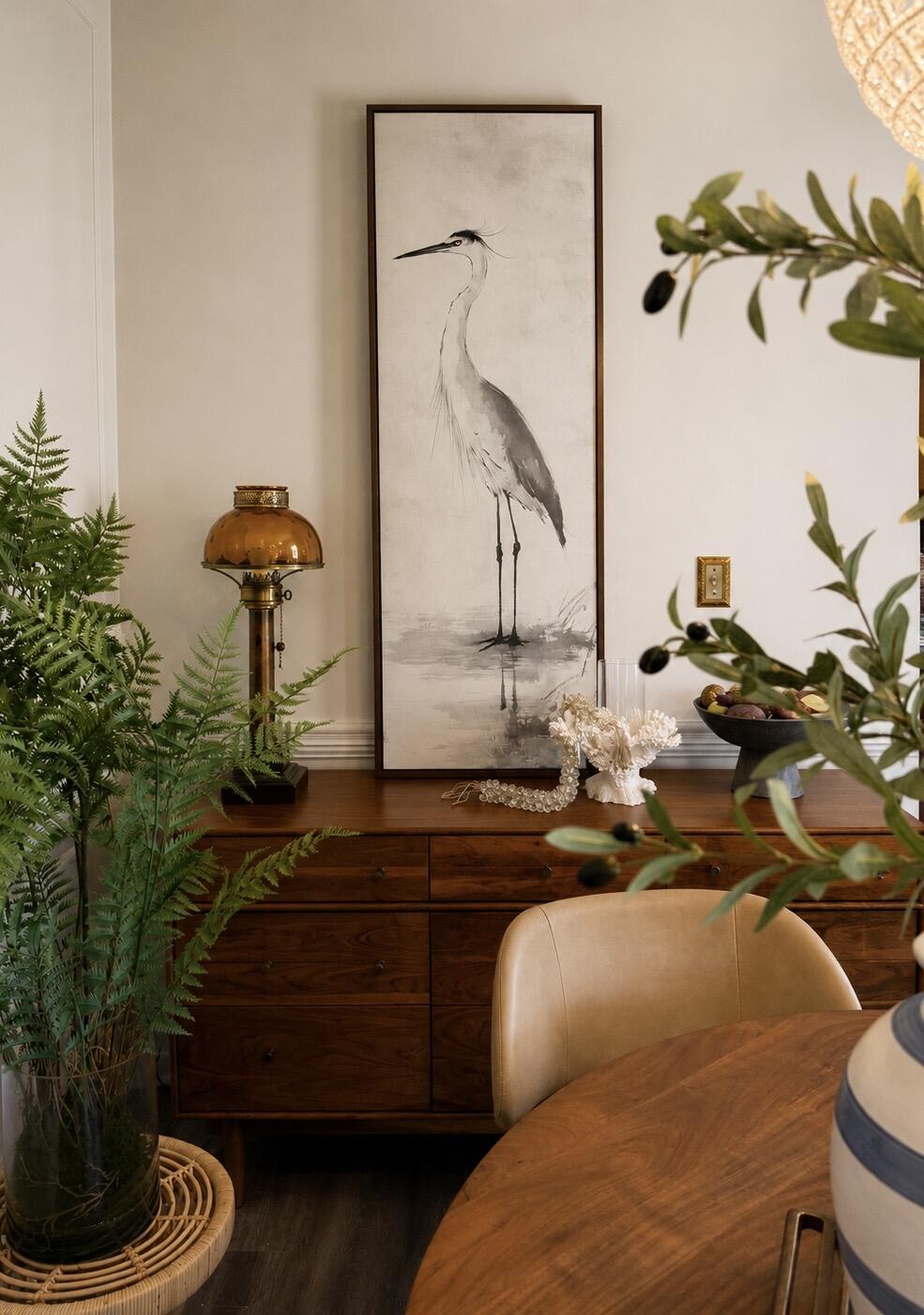
The perfect statement piece. The graceful heron, soft neutral palette, and walnut floating frame brought warmth and serenity to our dining room. It feels elegant, timeless, and collected rather than trendy. The quality is exceptional and the artwork looks even more beautiful in person than online. I love it so much, that I’m going to order another!
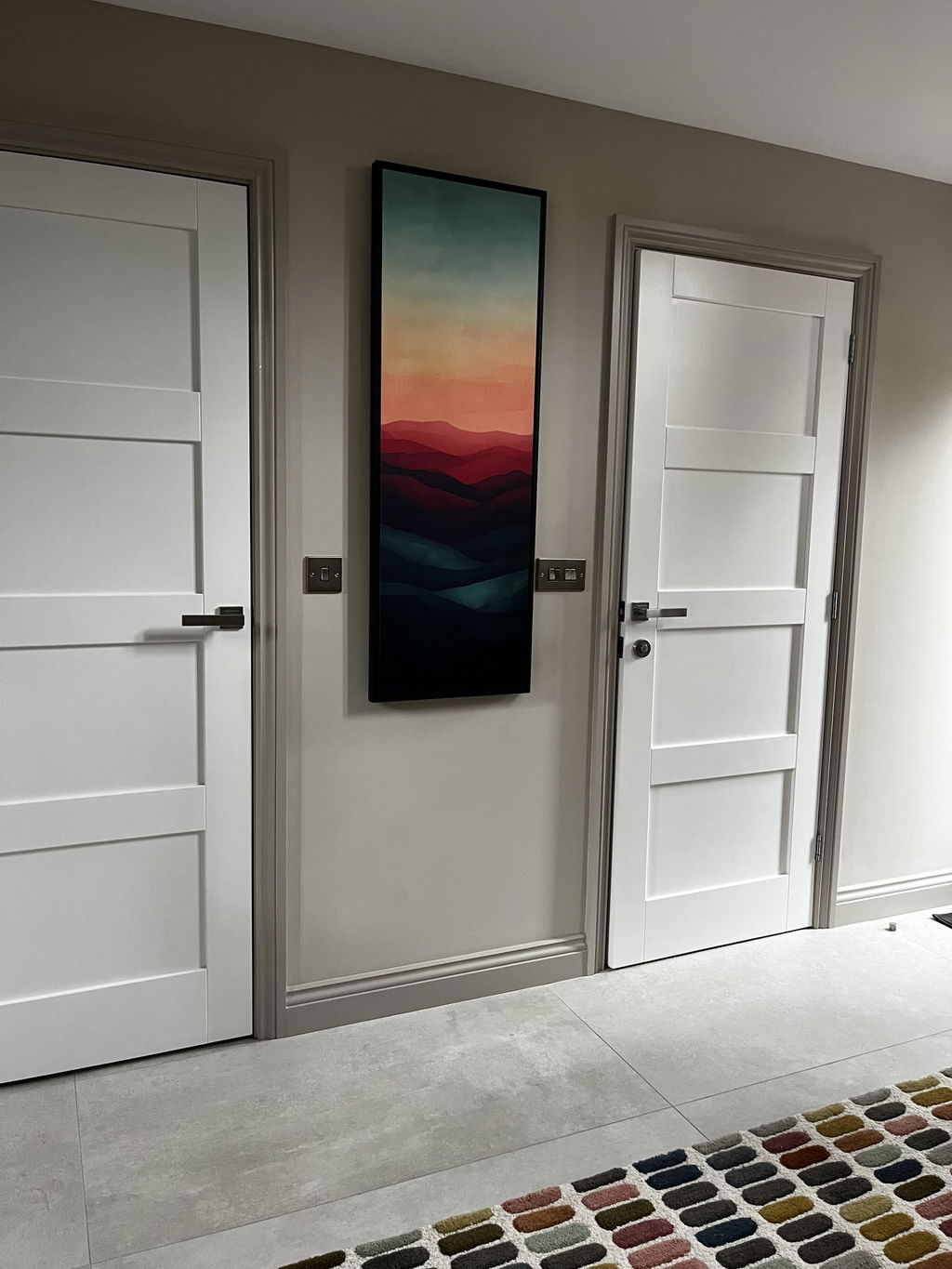
I’m over the moon with my beautiful Sunset wall art. It finishes off my hallway and has received so many compliments from visitors.
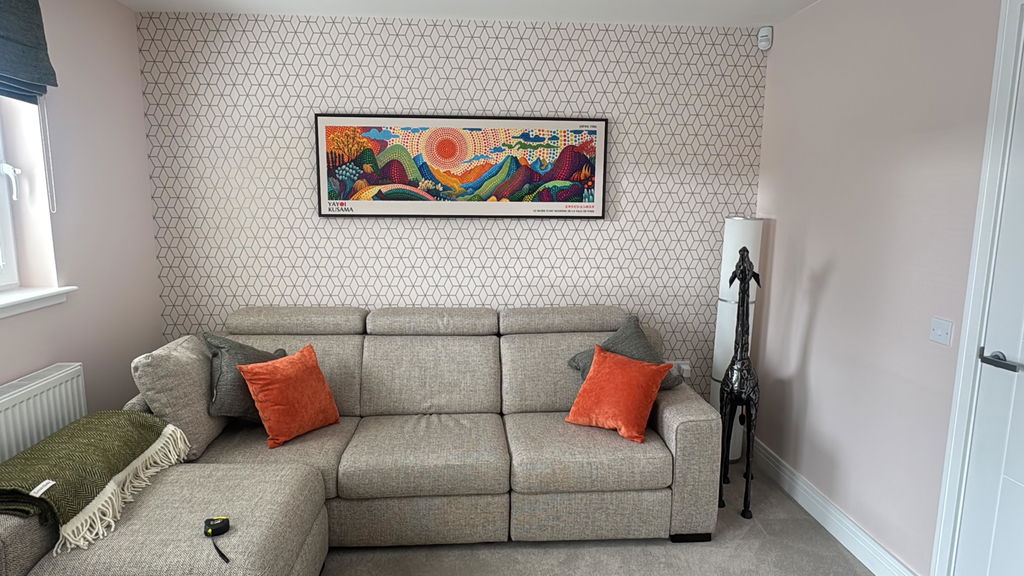
Second piece bought now and both are great. Exactly as described and very well packaged for transit.
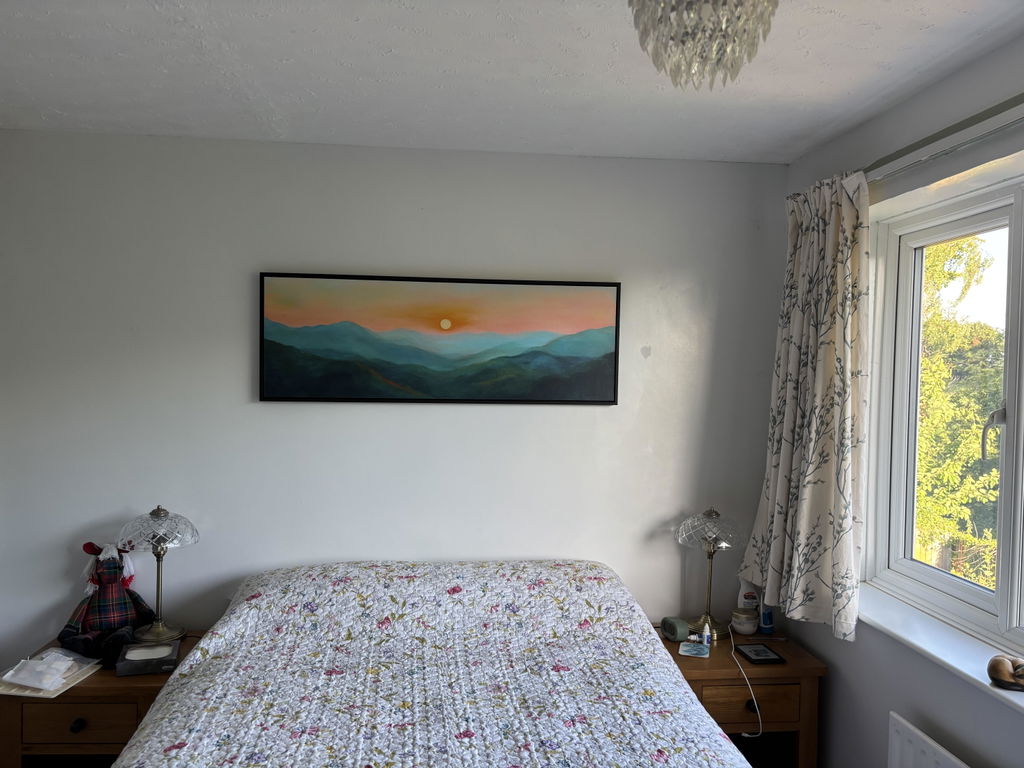
I love the quality and styling of the print, I was unsure about buying something so big without seeing it but I am very happy with the product. The colours are true to the image and the effect with the floating frame is perfect. I would buy again from Atelier, I trust the product and delivery was quick considering it was a specific design, size and frame.
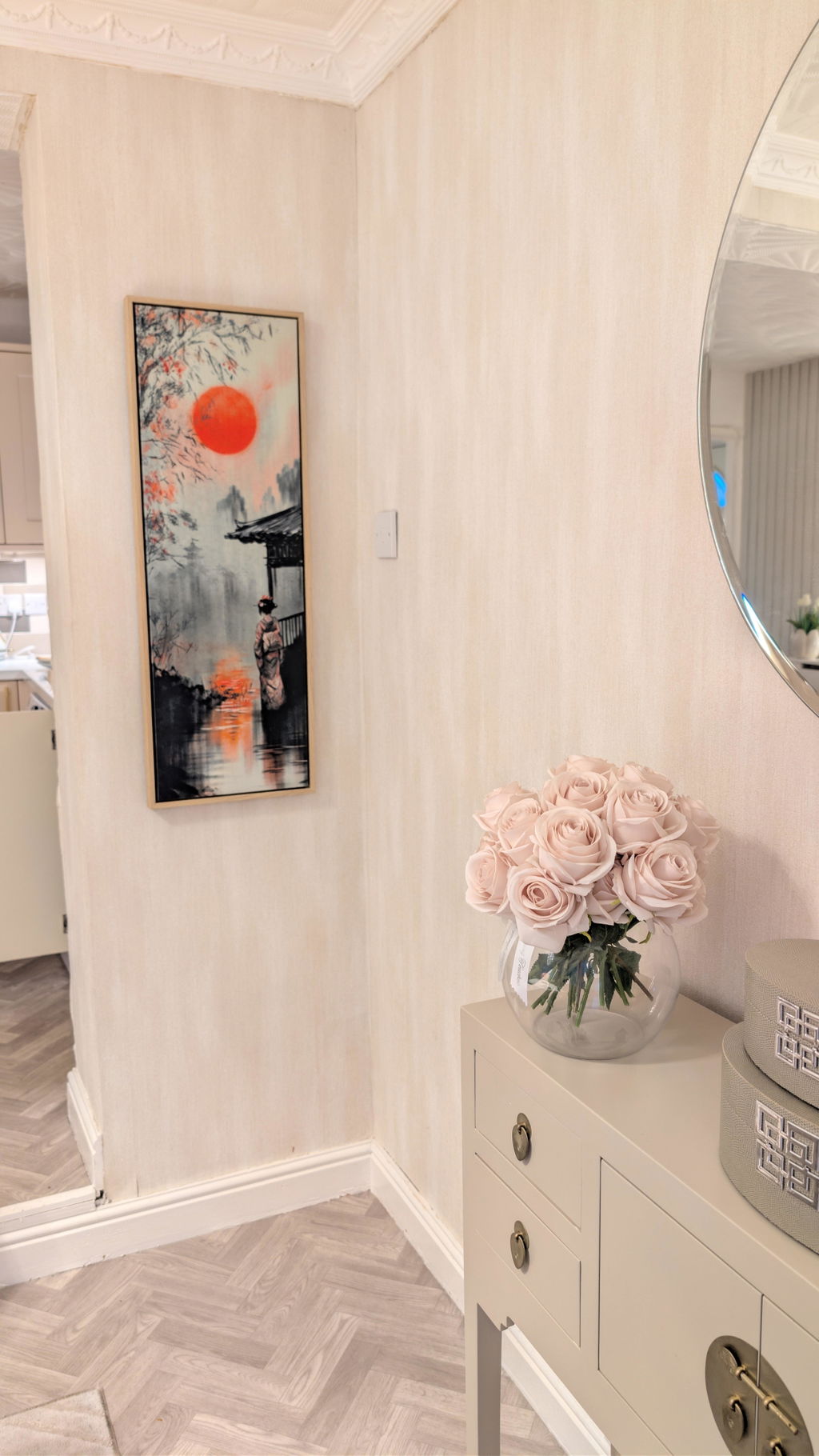
I bought the 30 x 90 canvas with a floating canvas frame in the colour wood and I couldn't be happier with it. Great quality, well packaged. Highly recommend.
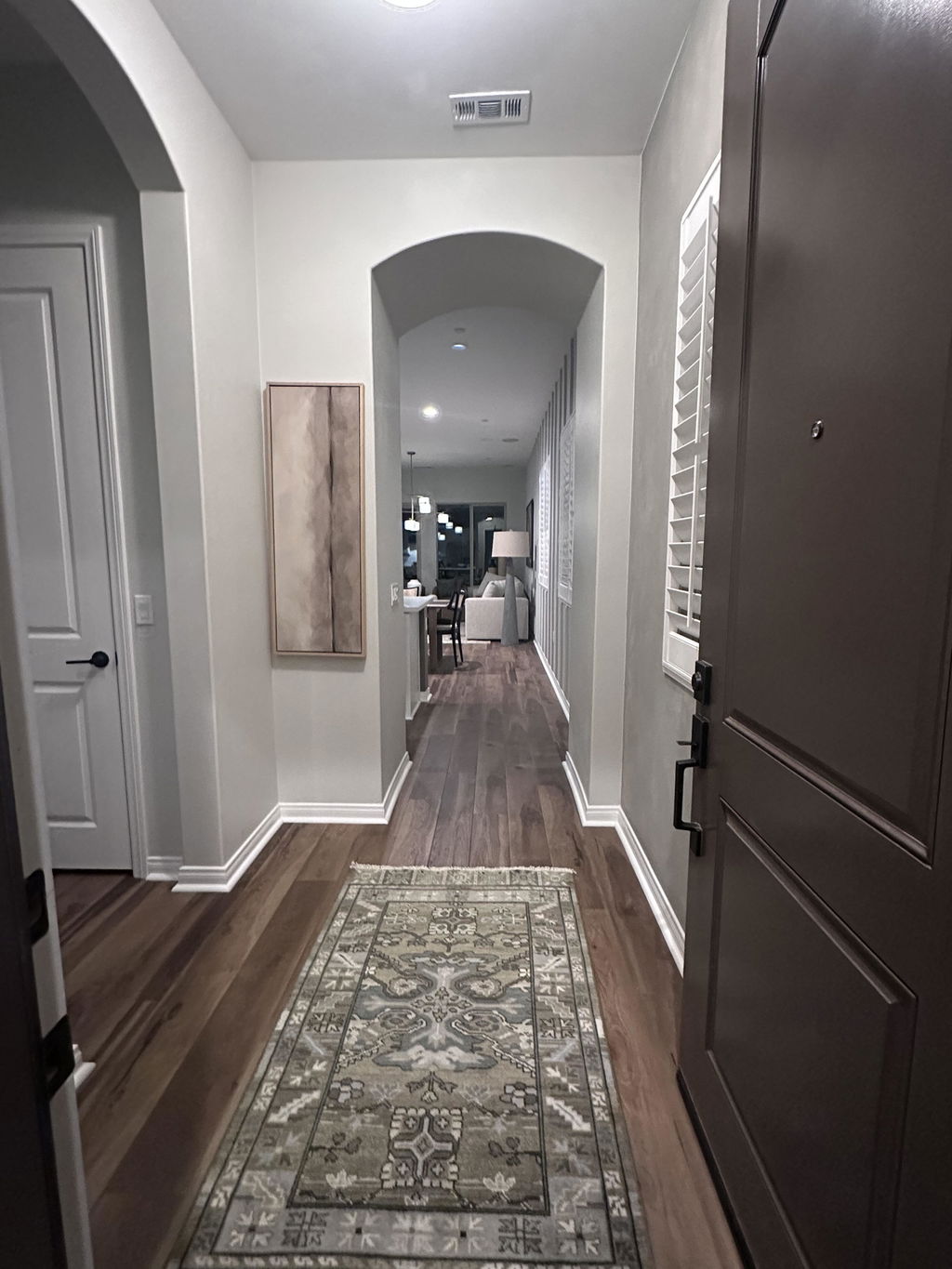
This artwork brought just the right look to my entry that I was trying to achieve. It’s beautiful and calming and in a beautiful quality frame.
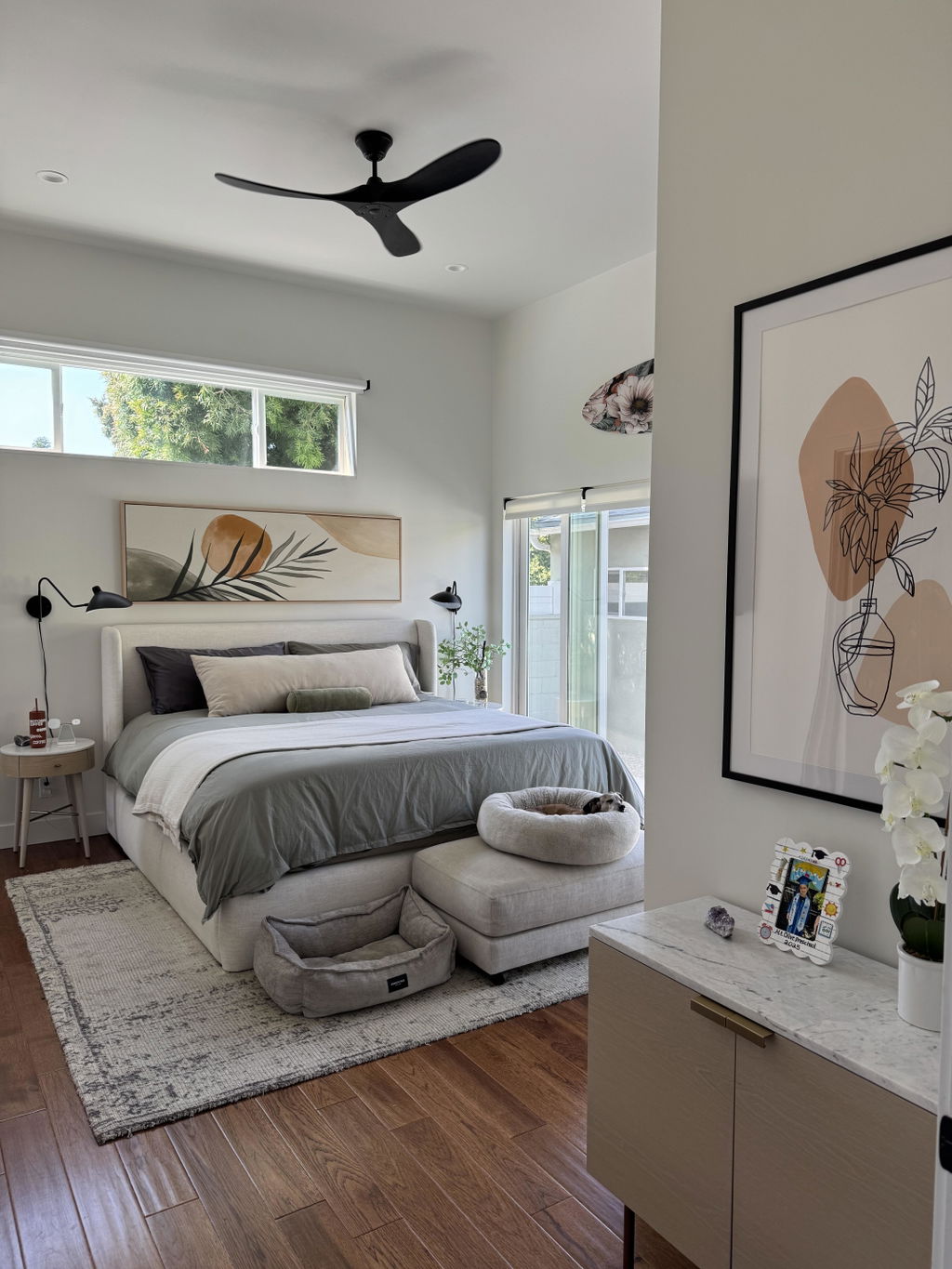
Better than presented online. We love it. Super high quality framing and hardware.
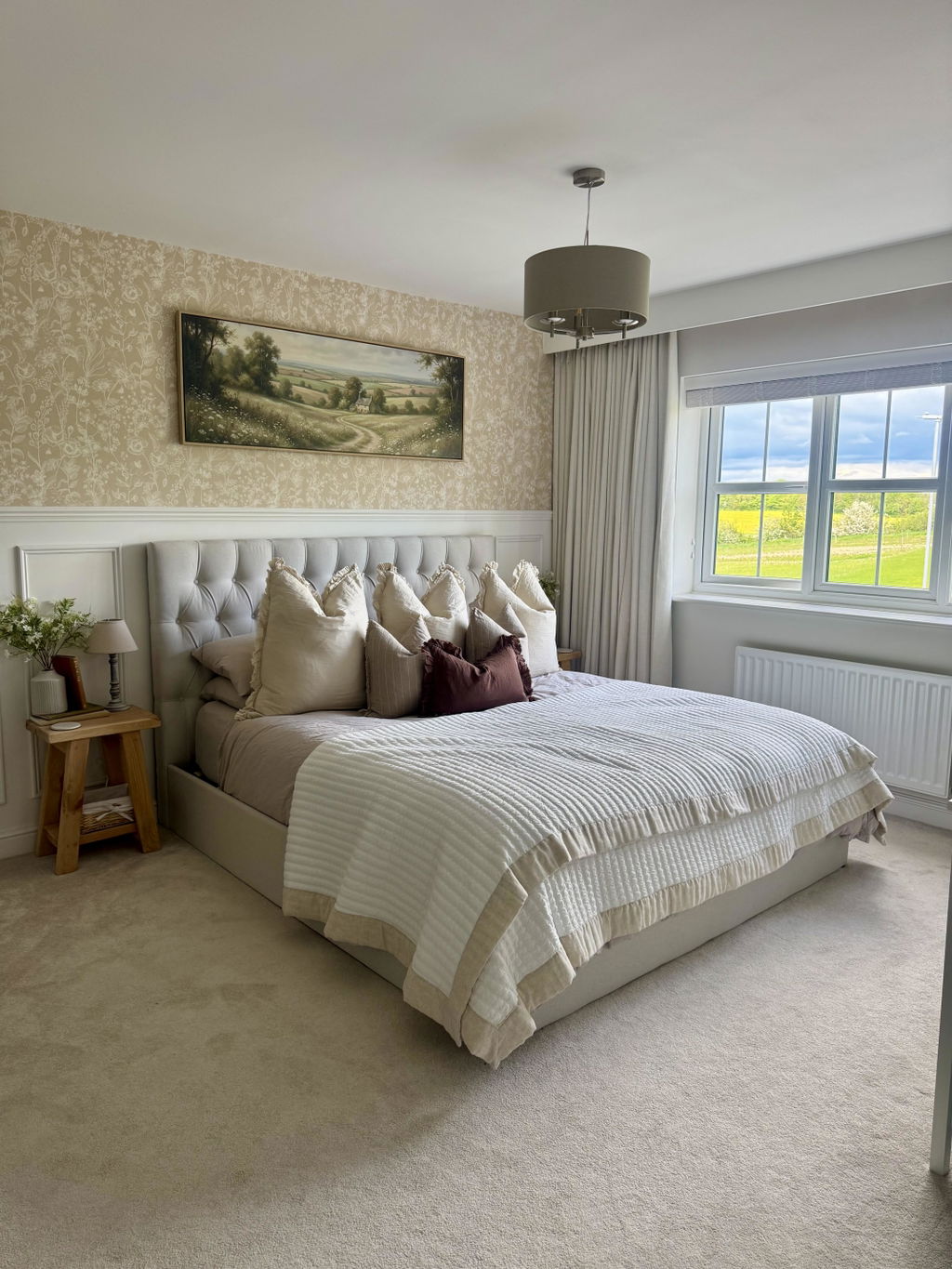
Beautiful artwork! So impressed with the quality, it looks absolutely stunning.
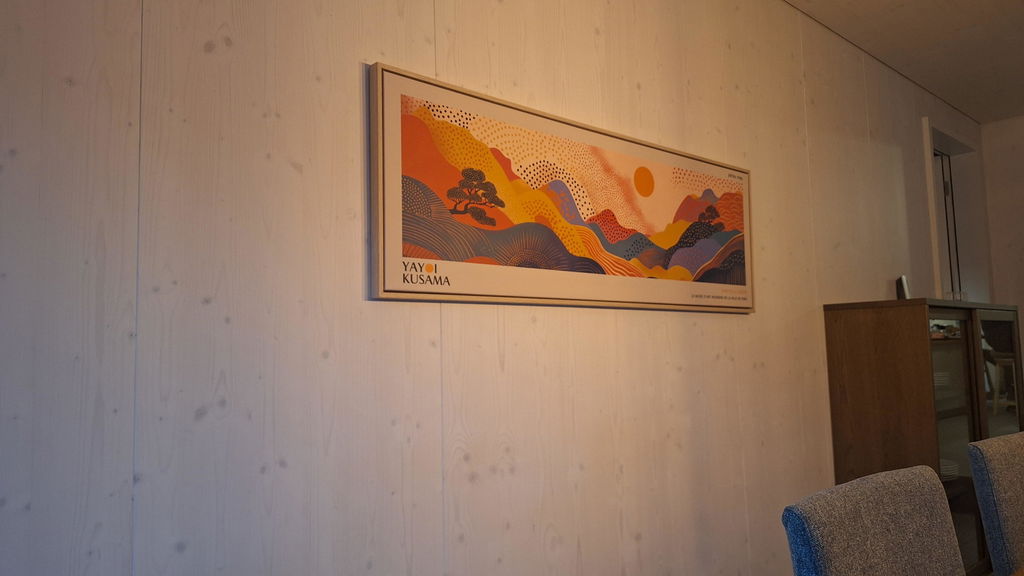
Beautiful!
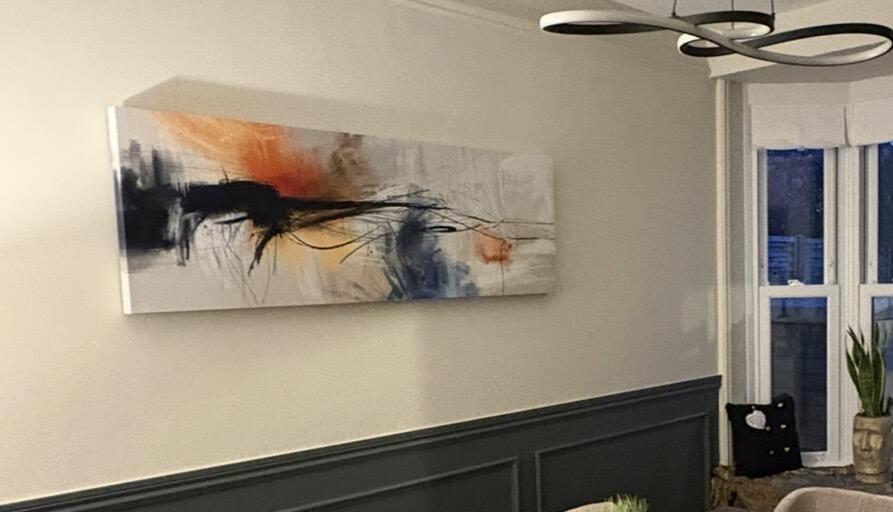
Lovely print. Really good quality & easy to hang