


Salon
Art mural pour salon dans des formats longs et étroits : des impressions sur toile qui attirent le regard au-dessus du canapé, des cheminées et sur les murs étroits où les formats standard ne suffisent pas. Des scènes naturelles et abstractions organiques aux motifs botaniques, côtiers et d’inspiration japonaise, les œuvres horizontales, verticales et panoramiques structurent la pièce sans la surcharger.
Au-dessus du canapé, une impression panoramique large mesurant environ les deux tiers de la largeur de l’assise située en dessous s’intègre naturellement dans l’espace ; au-dessus d’une cheminée ou d’un buffet, une longue œuvre horizontale produit le même effet. Les impressions verticales et élancées conviennent aux murs étroits entre les fenêtres, dans les alcôves et de chaque côté d’un conduit de cheminée : partout où une œuvre de format standard semble perdue.
Chaque œuvre est imprimée sur toile et proposée en différentes dimensions, soit sur une toile montée sur châssis, soit avec une finition dans un cadre flottant ou classique disponible en 5 couleurs : noir, blanc, chêne, noyer et doré. Tout est livré prêt à être accroché.


Living room wall art - frequently asked questions
Dimensions, hauteur de suspension et les questions qui nous sont le plus souvent posées.
What size wall art should go above a sofa?
Around two-thirds the width of the sofa. A three-seater usually takes 20"x60" (50x150cm) or 20"x40" (50x100cm); a large or corner sofa takes 24"x72" (60x180cm) or 30"x60" (75x150cm); a two-seater takes 16"x48" (40x120cm) or 16"x32" (40x80cm). Going smaller than two-thirds is the most common mistake - it leaves the sofa looking unanchored and the wall looking unfinished.
How high should art hang above a sofa?
Leave 6-10in (15-25cm) between the top of the sofa back and the bottom of the frame. Any higher and the art floats free of the furniture; any lower and heads knock it. If the piece hangs on a wall with no furniture beneath it, centre it about 58in (147cm) from the floor instead.
What wall art suits a narrow living room?
A long horizontal canvas on the longest wall. It draws the eye across rather than up, which makes a narrow room read wider, and it keeps the wall from feeling cluttered by several small frames. Avoid a grid of small prints in a narrow room - the multiple edges make the space feel busier and tighter than it is.
Where should art go in a living room besides above the sofa?
Above the mantelpiece or a sideboard, in the alcoves either side of a chimney breast, on the narrow strip between two windows, and on the wall you see first from the doorway. Alcoves and the gaps between windows are tall and narrow, so they suit a vertical canvas; mantels and sideboards suit a long horizontal one.
How do you choose wall art for a living room?
Start with the wall, not the picture. Measure the space, decide whether it needs width or height, then choose a size at about two-thirds the width of the furniture below. Only then pick the image - and pick it by picking up one colour already in the room rather than matching the sofa. Getting the proportion right matters more than getting the subject perfect.


Laissez-vous inspirer
Nos œuvres d'art, vos murs
Découvrez comment nos clients mettent en valeur les pièces d'Ateliér Printworks dans leurs intérieurs. Des couloirs étroits aux murs d'accent, ces espaces montrent comment les bonnes proportions font toute la différence.
Let customers speak for us
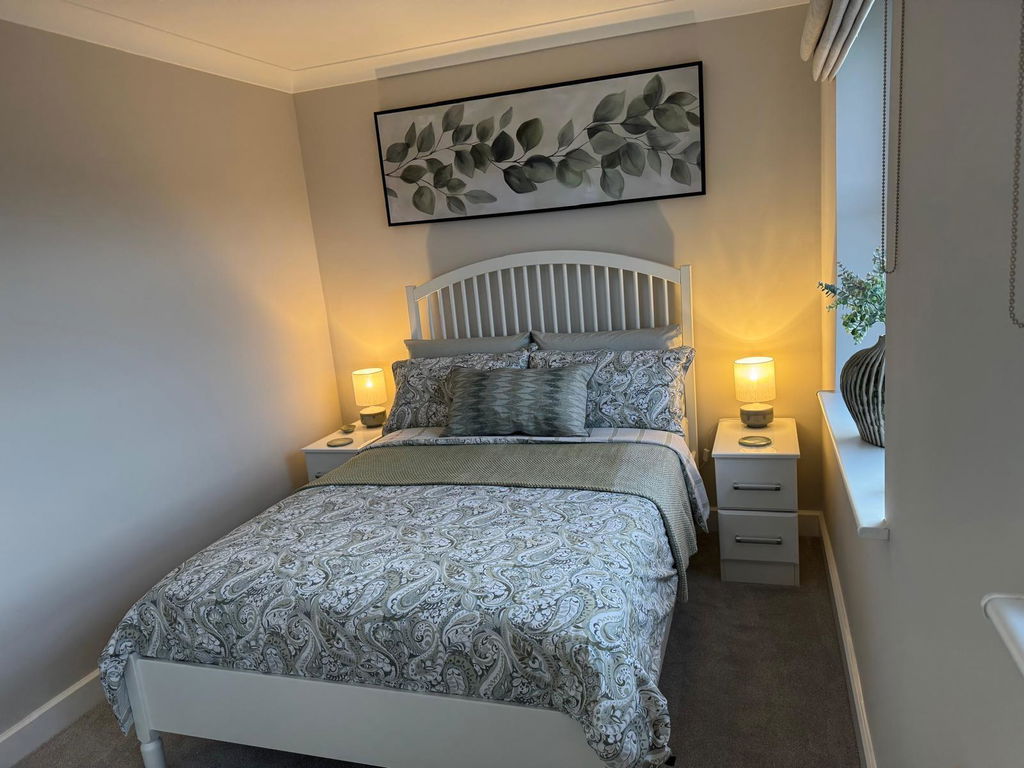
Excellent service, picture looks amazing and arrived very quickly and was very well packaged. Easy to install on the wall and looks superb..
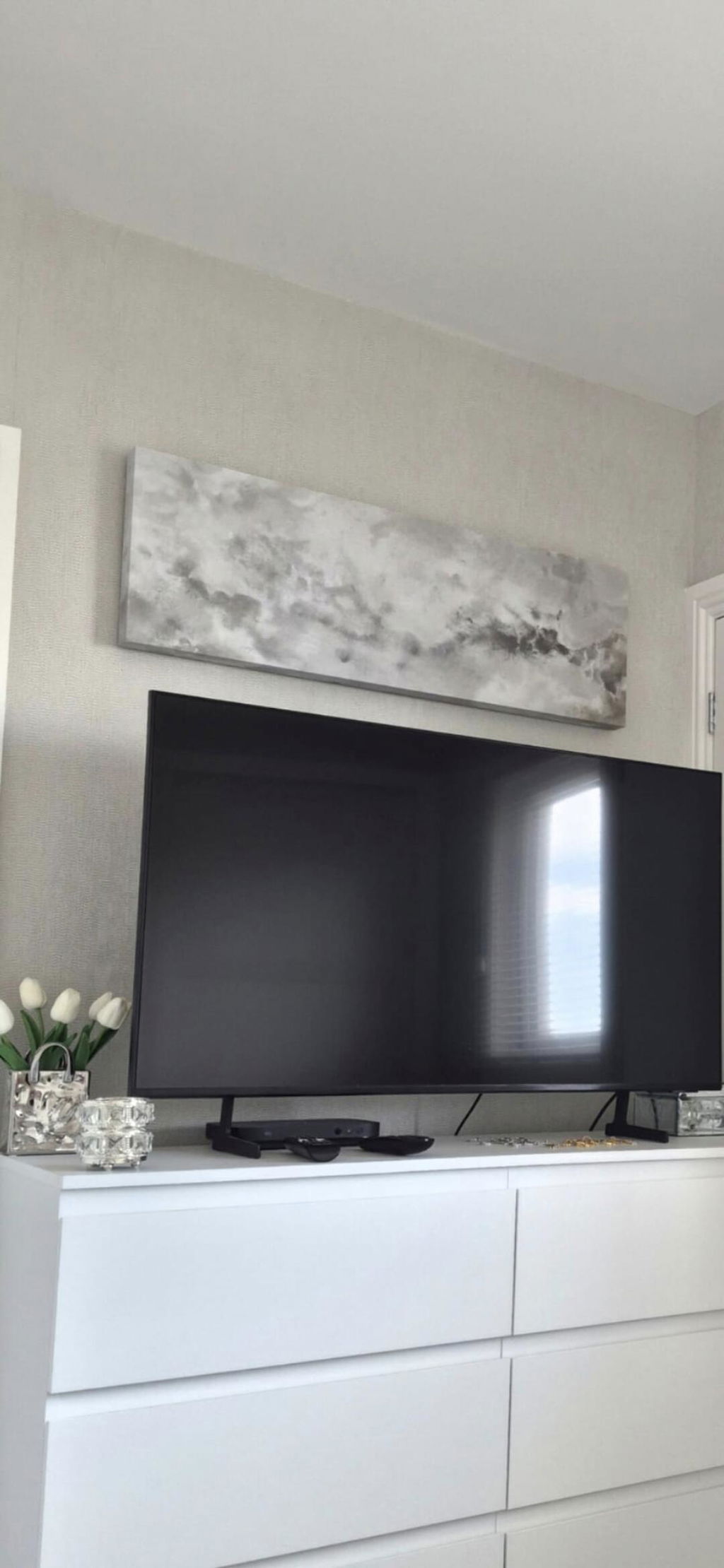
Lovely picture, great quality and supernatural delivered. Would definitely recommend
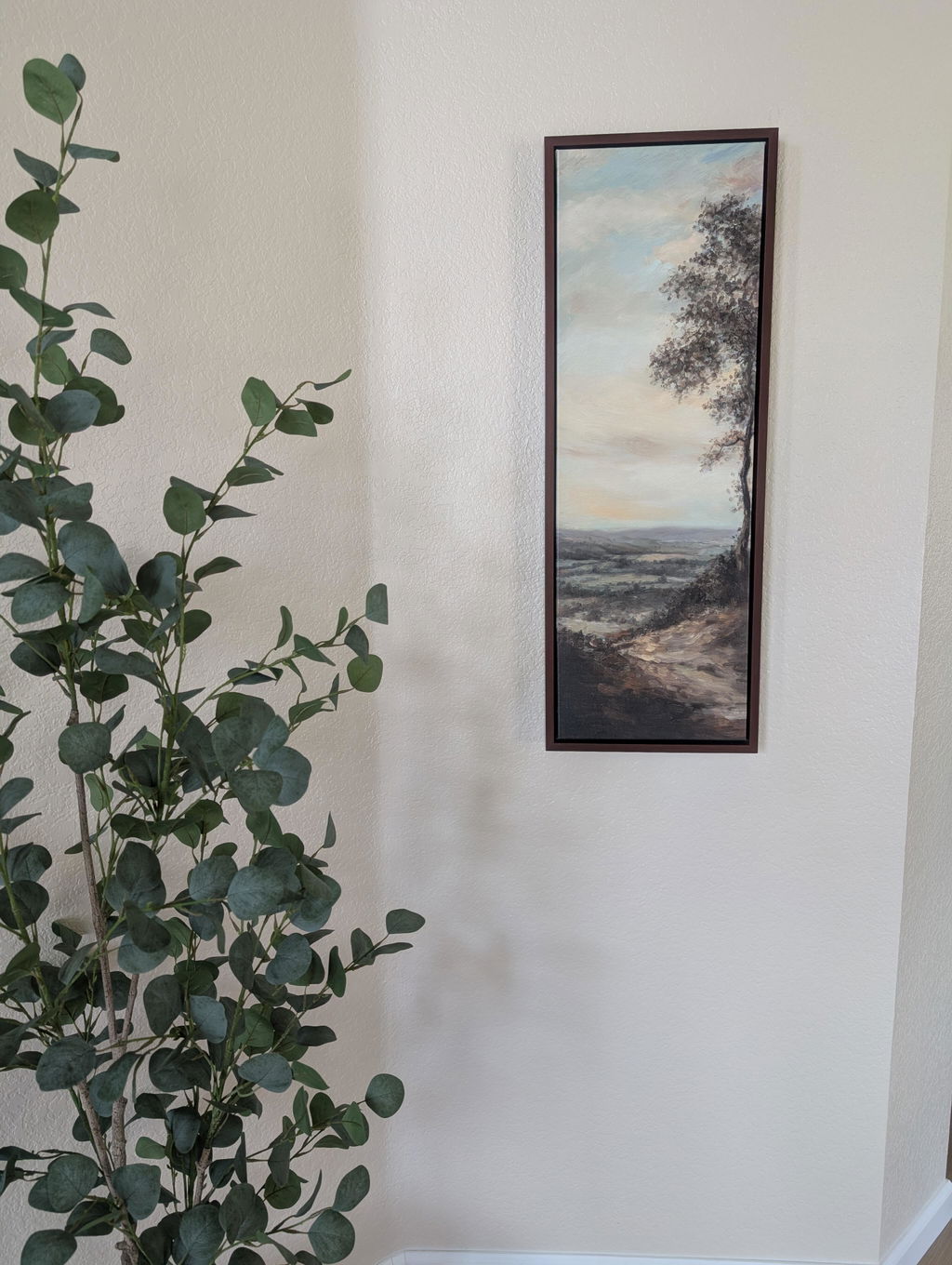
Beautiful picture for a narrow wall. The colors are prettier in person.
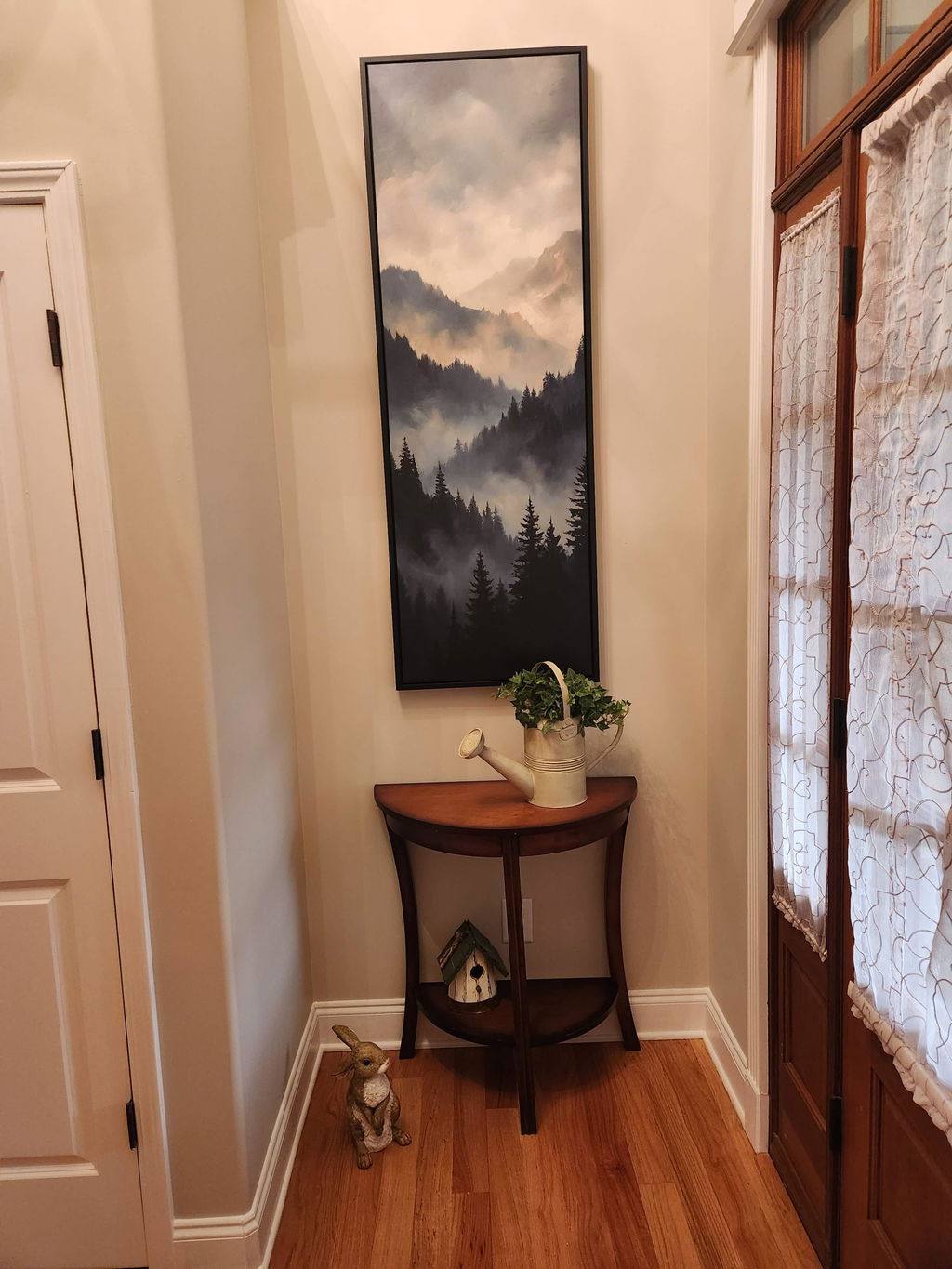
We received our print in a timely manner. Upon unpacking, we noticed a bulge in the canvas and some lines in the canvas and imprint from the wood that goes across in the back. I reached out and the company sent another one that came perfect. It is now displayed in our foyer and looks great!
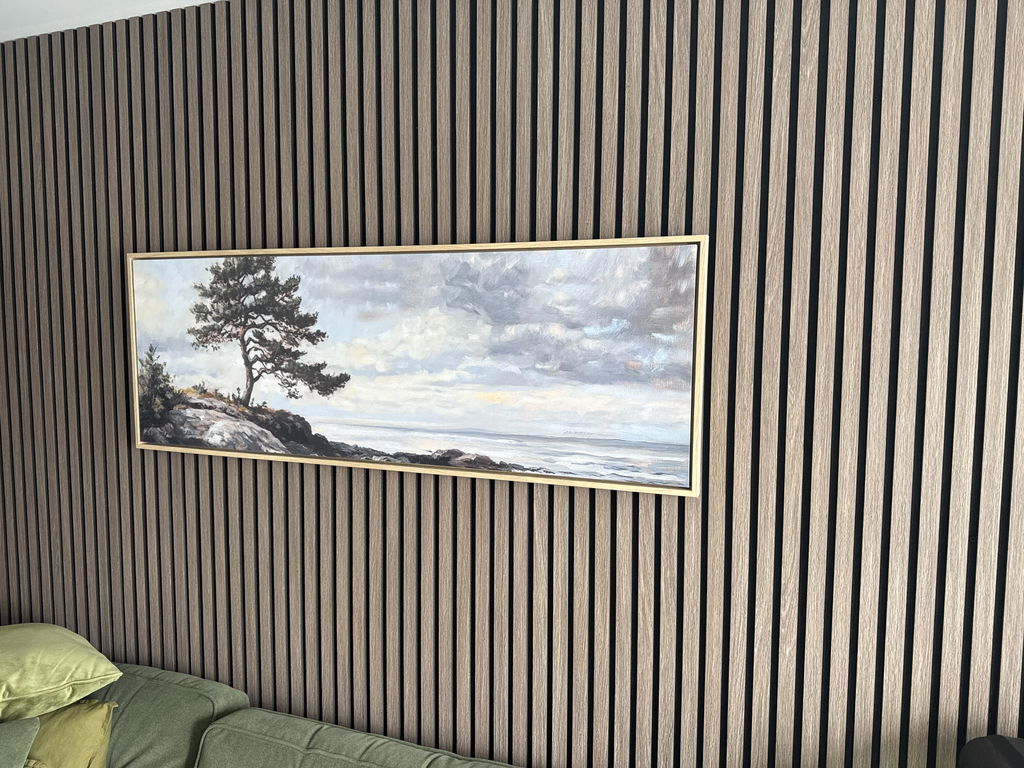
Beautiful, just as I wanted, excellent framing and a swift delivery
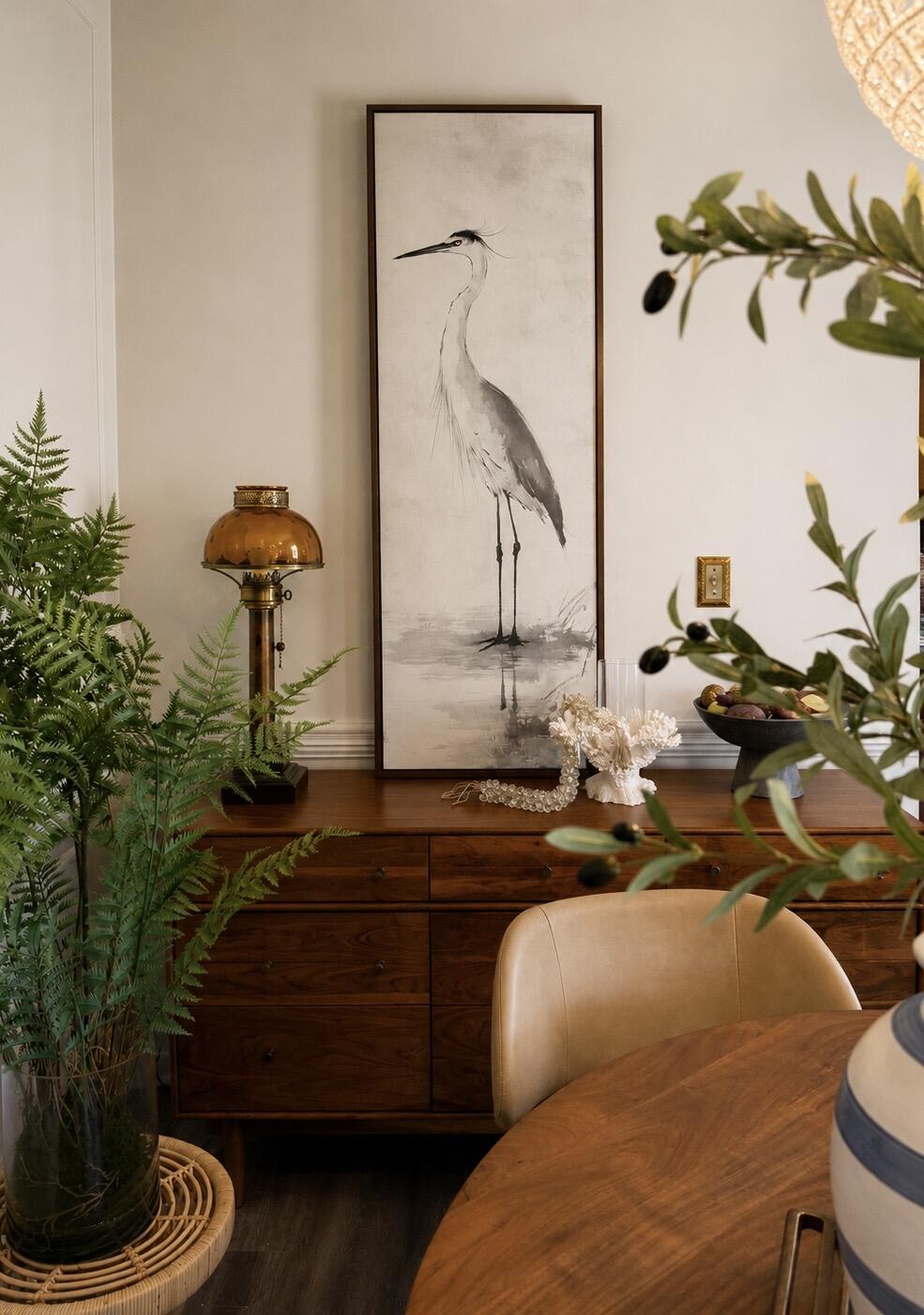
The perfect statement piece. The graceful heron, soft neutral palette, and walnut floating frame brought warmth and serenity to our dining room. It feels elegant, timeless, and collected rather than trendy. The quality is exceptional and the artwork looks even more beautiful in person than online. I love it so much, that I’m going to order another!
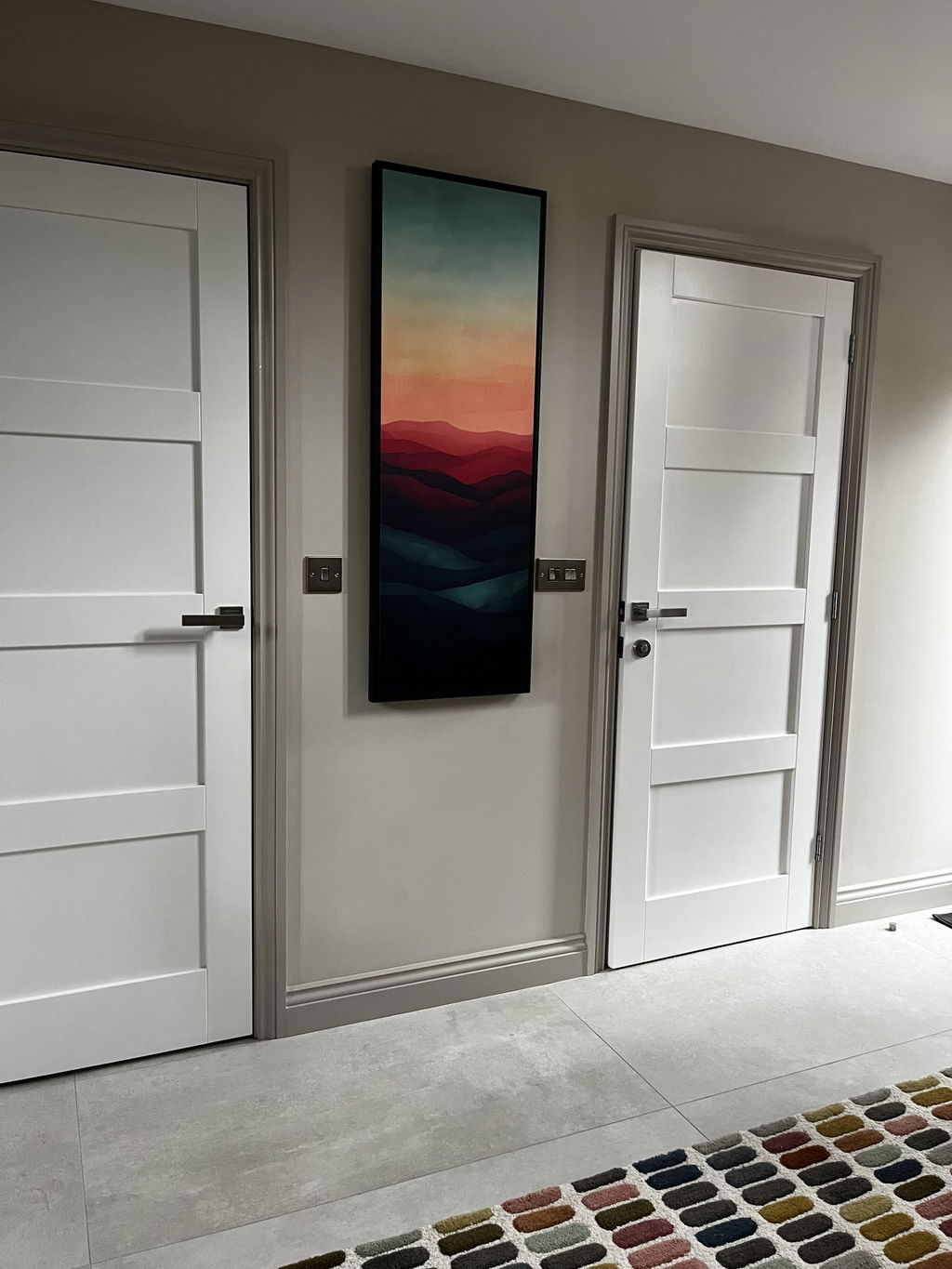
I’m over the moon with my beautiful Sunset wall art. It finishes off my hallway and has received so many compliments from visitors.
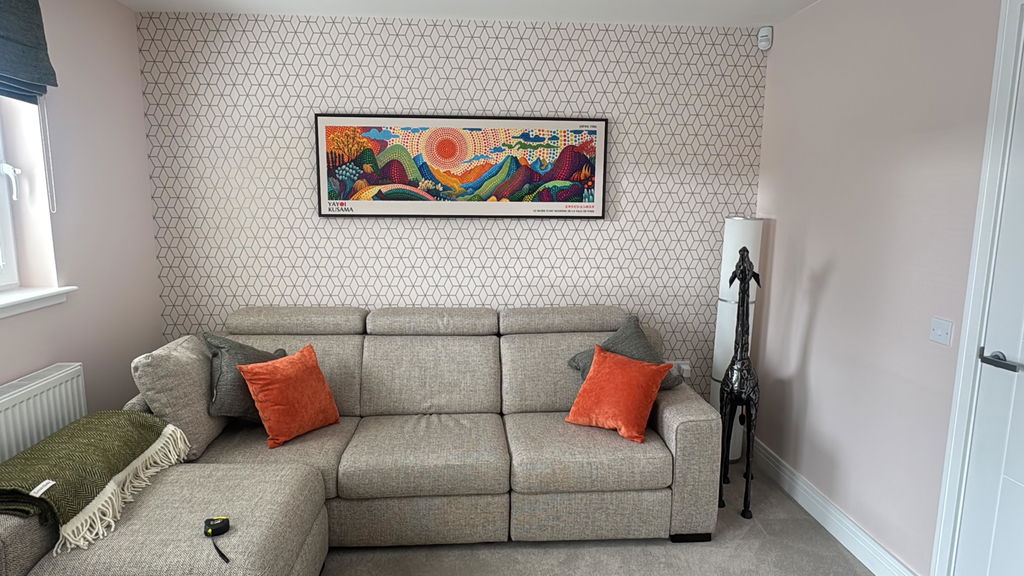
Second piece bought now and both are great. Exactly as described and very well packaged for transit.
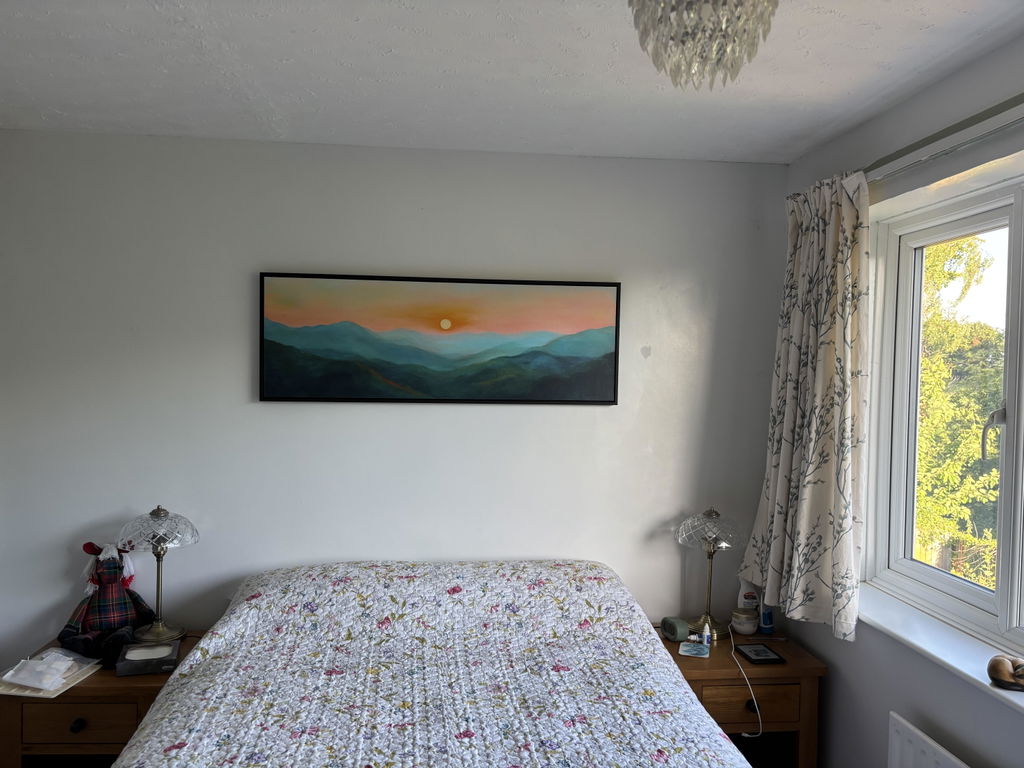
I love the quality and styling of the print, I was unsure about buying something so big without seeing it but I am very happy with the product. The colours are true to the image and the effect with the floating frame is perfect. I would buy again from Atelier, I trust the product and delivery was quick considering it was a specific design, size and frame.
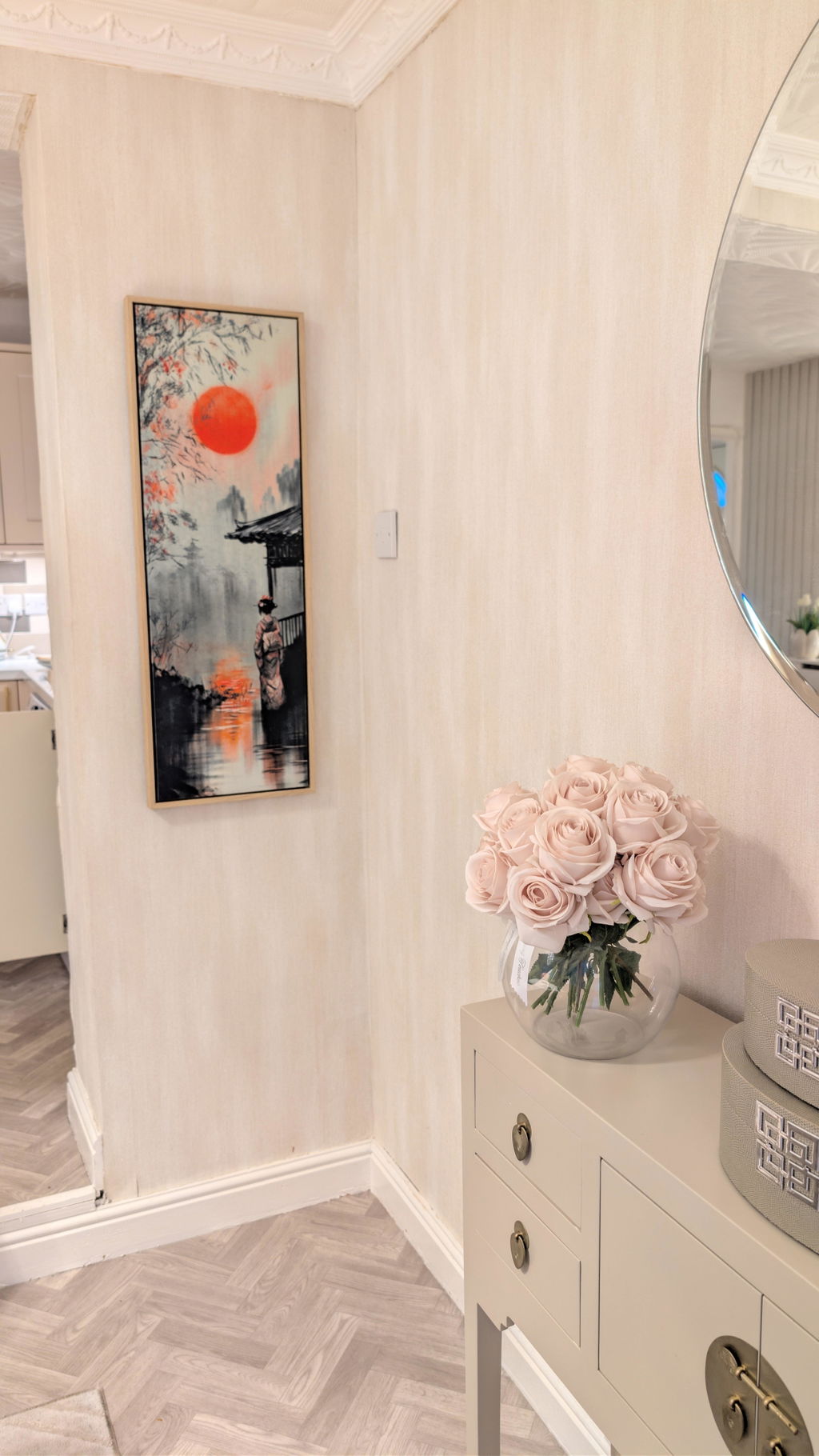
I bought the 30 x 90 canvas with a floating canvas frame in the colour wood and I couldn't be happier with it. Great quality, well packaged. Highly recommend.
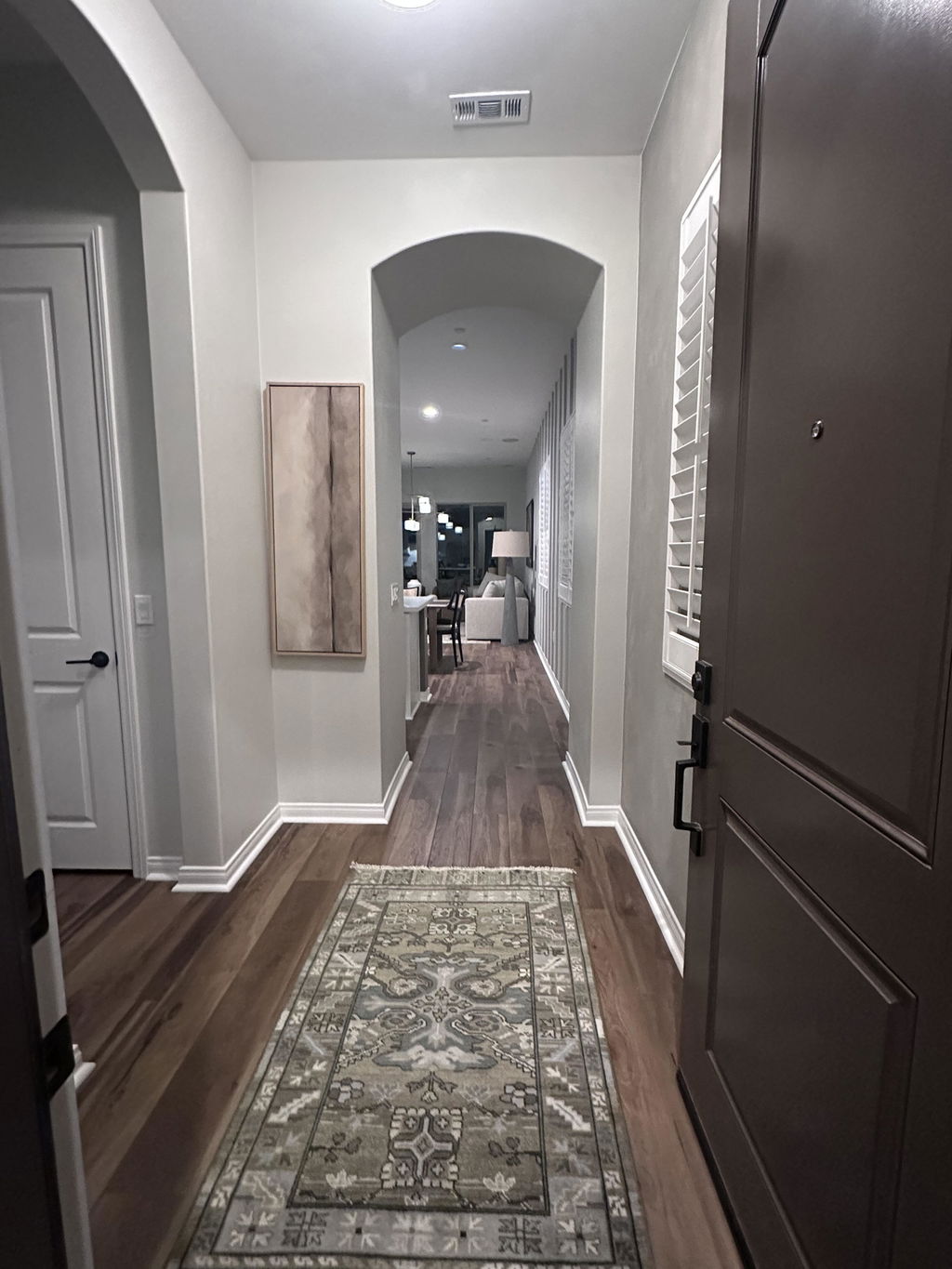
This artwork brought just the right look to my entry that I was trying to achieve. It’s beautiful and calming and in a beautiful quality frame.
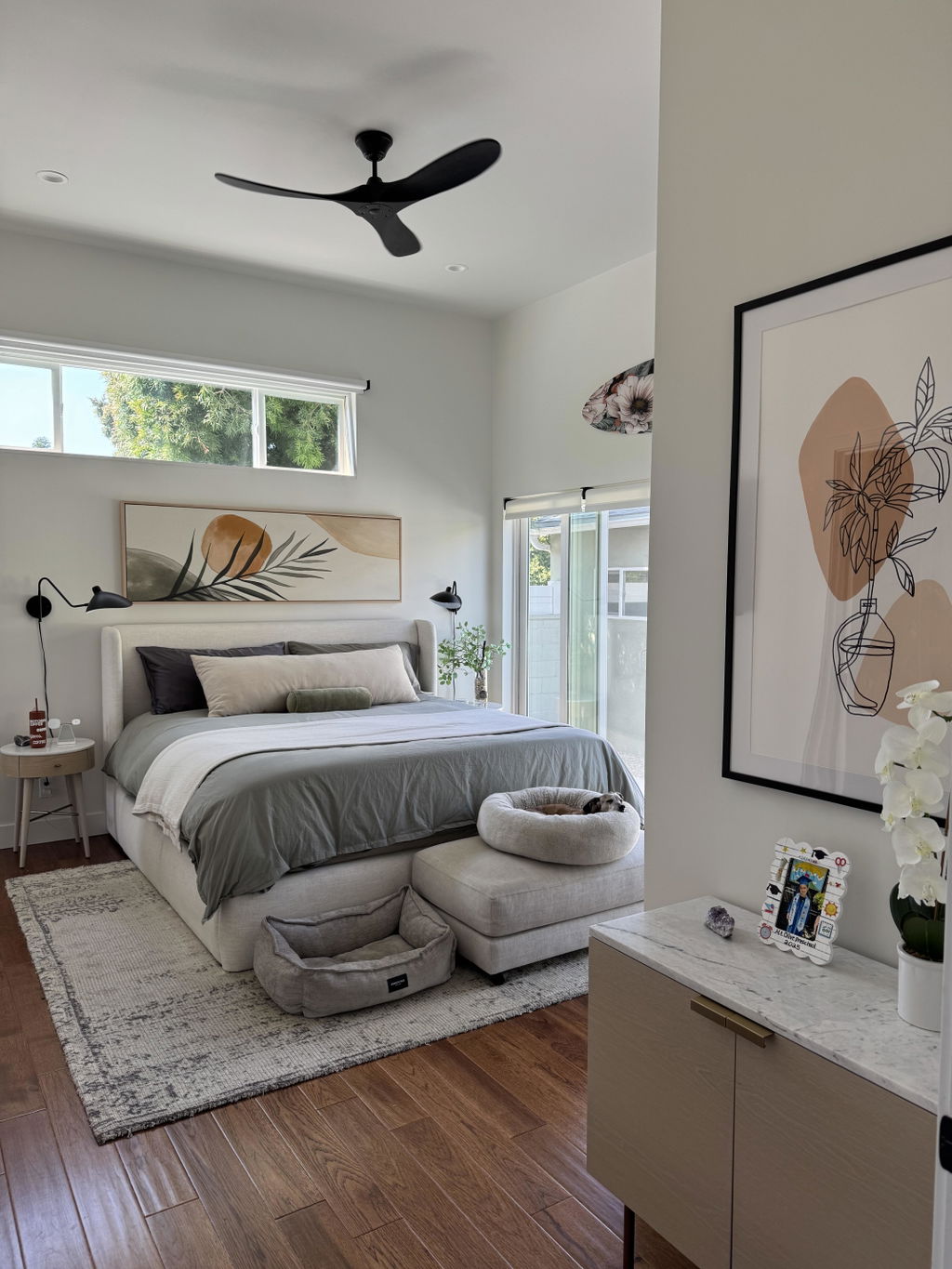
Better than presented online. We love it. Super high quality framing and hardware.
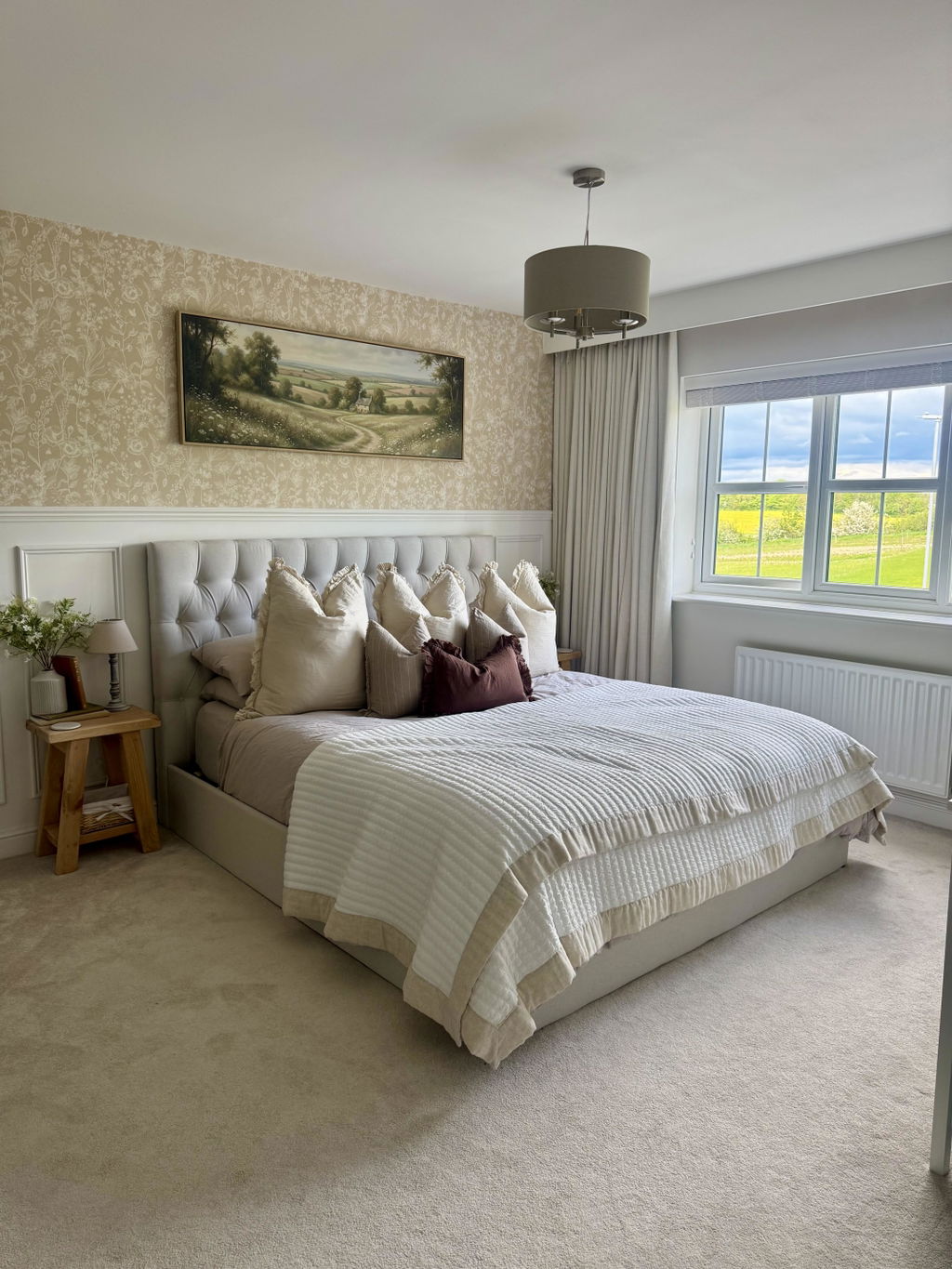
Beautiful artwork! So impressed with the quality, it looks absolutely stunning.
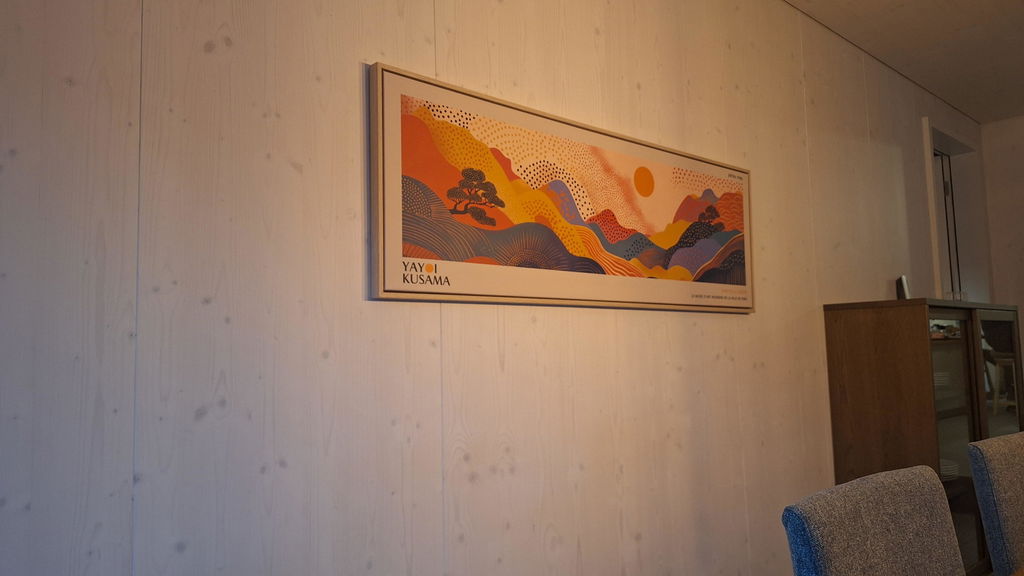
Beautiful!
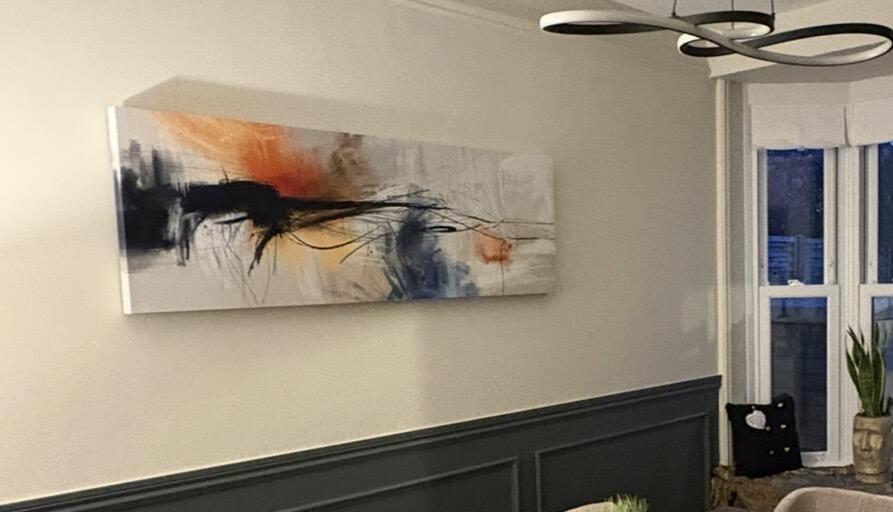
Lovely print. Really good quality & easy to hang