


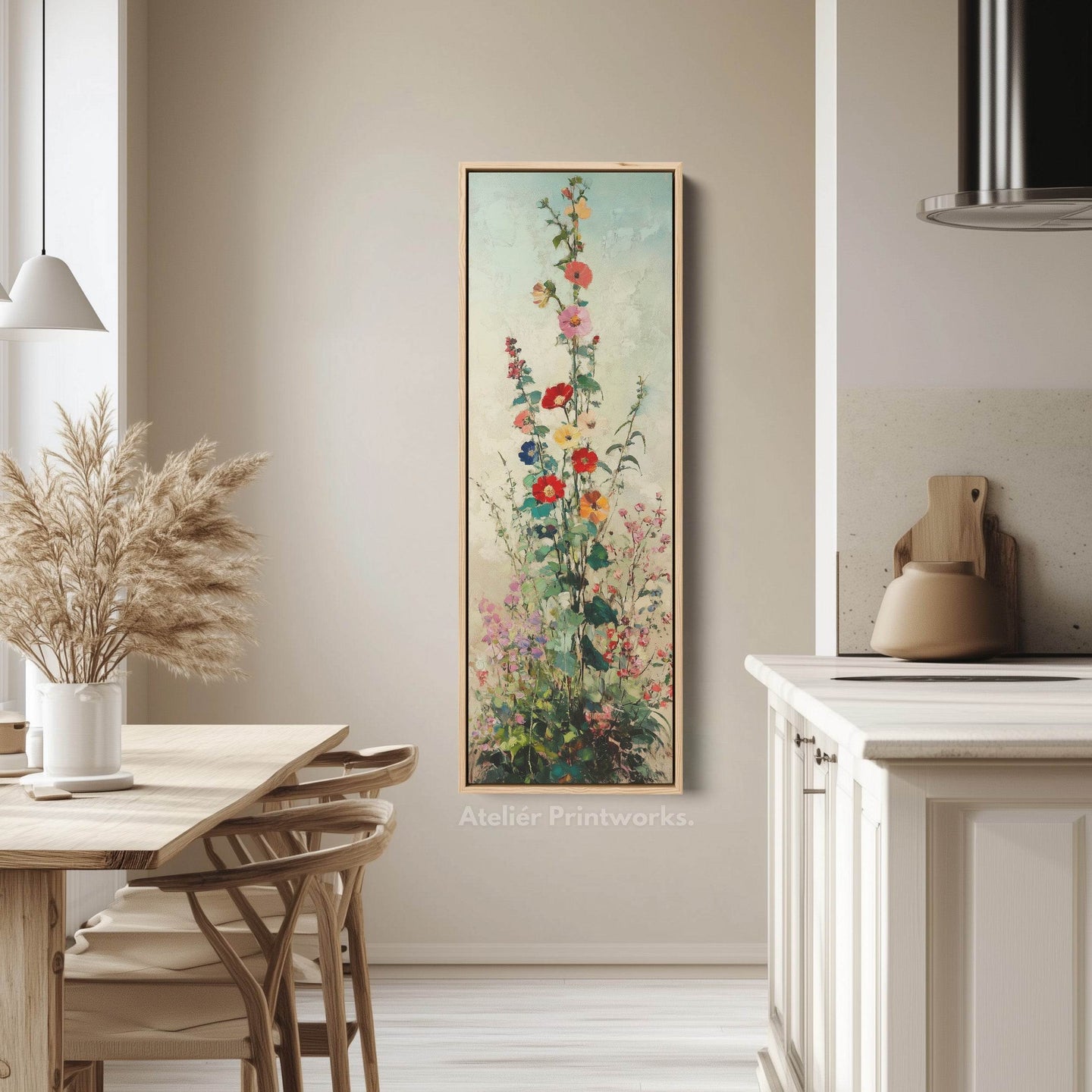
Botanische wandkunst
Botanische wandkunst in langwerpige formaten – ingelijste canvasprints die de tuin naar binnen brengen op muren waar een standaardlijst leeg zou blijven. De langgerekte vorm verandert de manier waarop botanische motieven tot hun recht komen: een enkele stengel of tak krijgt de ruimte om zich over de volledige hoogte van het canvas uit te strekken, terwijl een weidelandschap de breedte van een muur vult zoals het dat in de natuur zou doen.
Je vindt hier studies van gedroogde bloemen en enkele stengels, wilde bloemenweiden, dicht gebladerte en Japans geïnspireerde bloesemprints, in alles van zachte saliegroene neutrale tinten tot rijkere groentinten. Hoge verticale werken passen goed in gangen, keukens en smalle nissen, terwijl brede horizontale prints mooi staan boven een bank, bed of eettafel.
Elk werk wordt op bestelling gemaakt in verschillende formaten, als opgespannen canvas of in een zwevende of klassieke lijst van zwart, wit, eikenhout, walnoot of goud, en wordt klaar om op te hangen geleverd.


Botanical wall art - frequently asked questions
Afmetingen, ophanghoogte en de vragen die ons het vaakst worden gesteld.
What is botanical wall art?
Botanical wall art depicts plants - stems, leaves, flowers, grasses and foliage - usually as a study rather than as a scene. In a long narrow format it works particularly well: a single stem can run the full height of a tall canvas, and a meadow can stretch across a wide one the way it would in life.
Should botanical art be hung vertically or horizontally?
Vertically for single stems, branches and tall grasses, where the height of the plant is the composition. Horizontally for meadows, hedgerows and dense foliage, where the subject spreads sideways. A vertical botanical suits a kitchen, hallway or the narrow gap beside a door; a horizontal one suits above a sofa, bed or dining table.
Does botanical wall art suit a modern interior?
Yes, particularly the more restrained end of it. A single-stem study in sage or off-white against a plain background reads as minimalist rather than traditional - it is the dense, illustrated Victorian plate style that leans period. If your room is modern, look for fewer elements and a muted palette rather than avoiding botanical altogether.
What rooms suit botanical wall art?
Kitchens and bathrooms take it most naturally, then bedrooms, where green and sage tones read as restful. Hallways suit a tall single-stem piece. It also works above a dining table, where the subject matter has an obvious connection to the room. Living rooms take botanical best in the larger, looser foliage compositions rather than the detailed plate studies.
What colours are botanical prints available in?
Mostly greens - soft sage through to deeper forest - alongside neutral studies in cream, beige and warm grey where the plant is rendered as line work rather than colour. Sage and olive are the easiest to place in an existing room; a richer forest green needs a pale wall behind it to read properly.


Laat je inspireren
Onze kunstwerken, jouw muren
Bekijk hoe onze klanten Ateliér Printworks stukken in hun huizen stylen. Van smalle gangen tot opvallende muren, deze ruimtes laten zien hoe de juiste verhoudingen het verschil maken.
Let customers speak for us
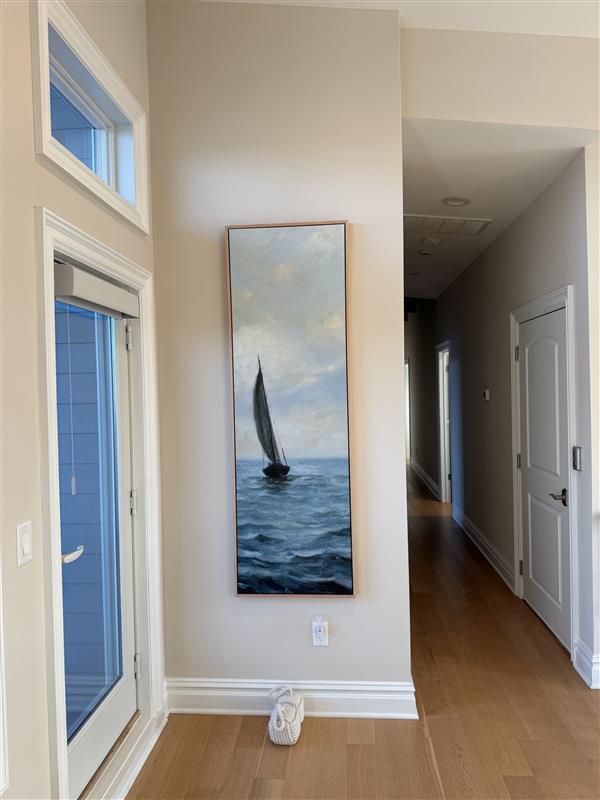
Love this piece! Fit the tall narrow wall exactly as we had hoped. Very impressed with the sturdiness of the piece itself, and the packing/shipping was done professionally.
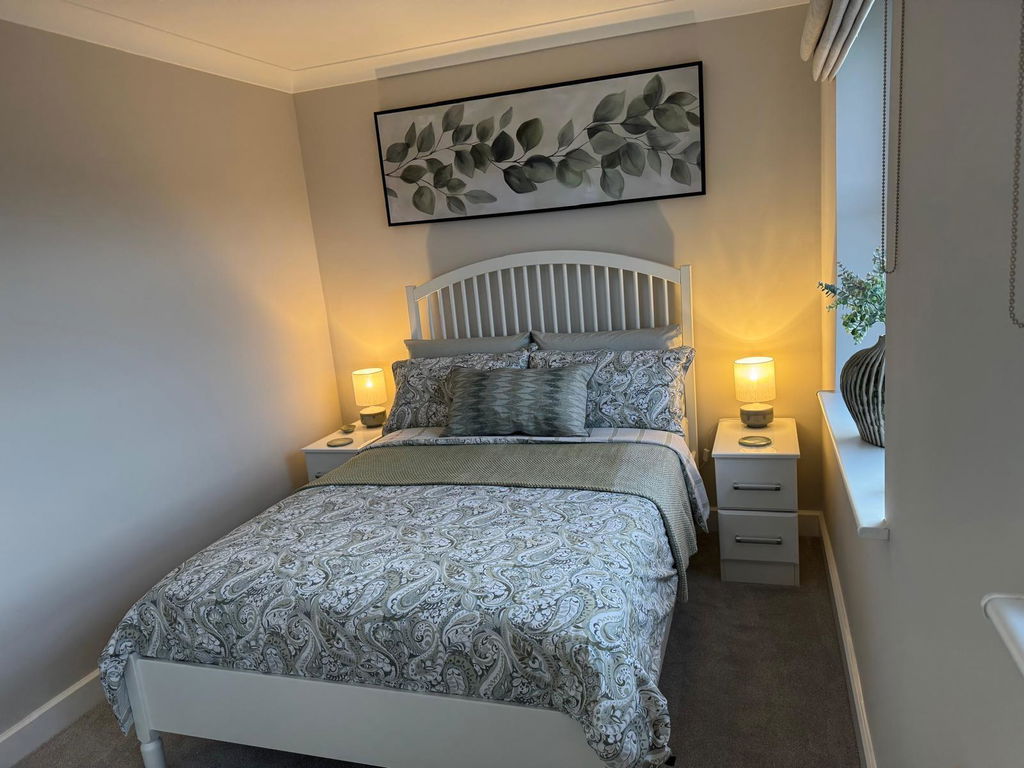
Excellent service, picture looks amazing and arrived very quickly and was very well packaged. Easy to install on the wall and looks superb..
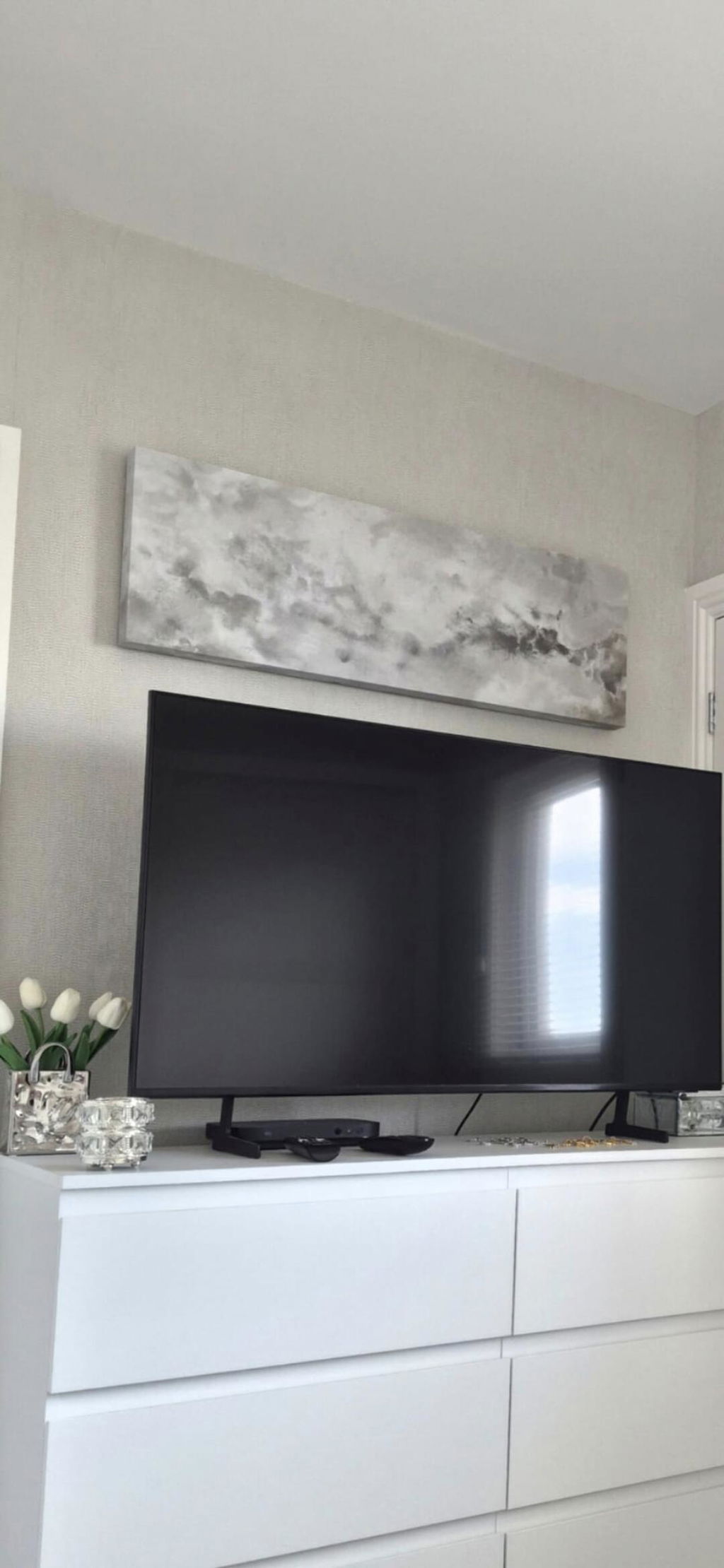
Lovely picture, great quality and supernatural delivered. Would definitely recommend
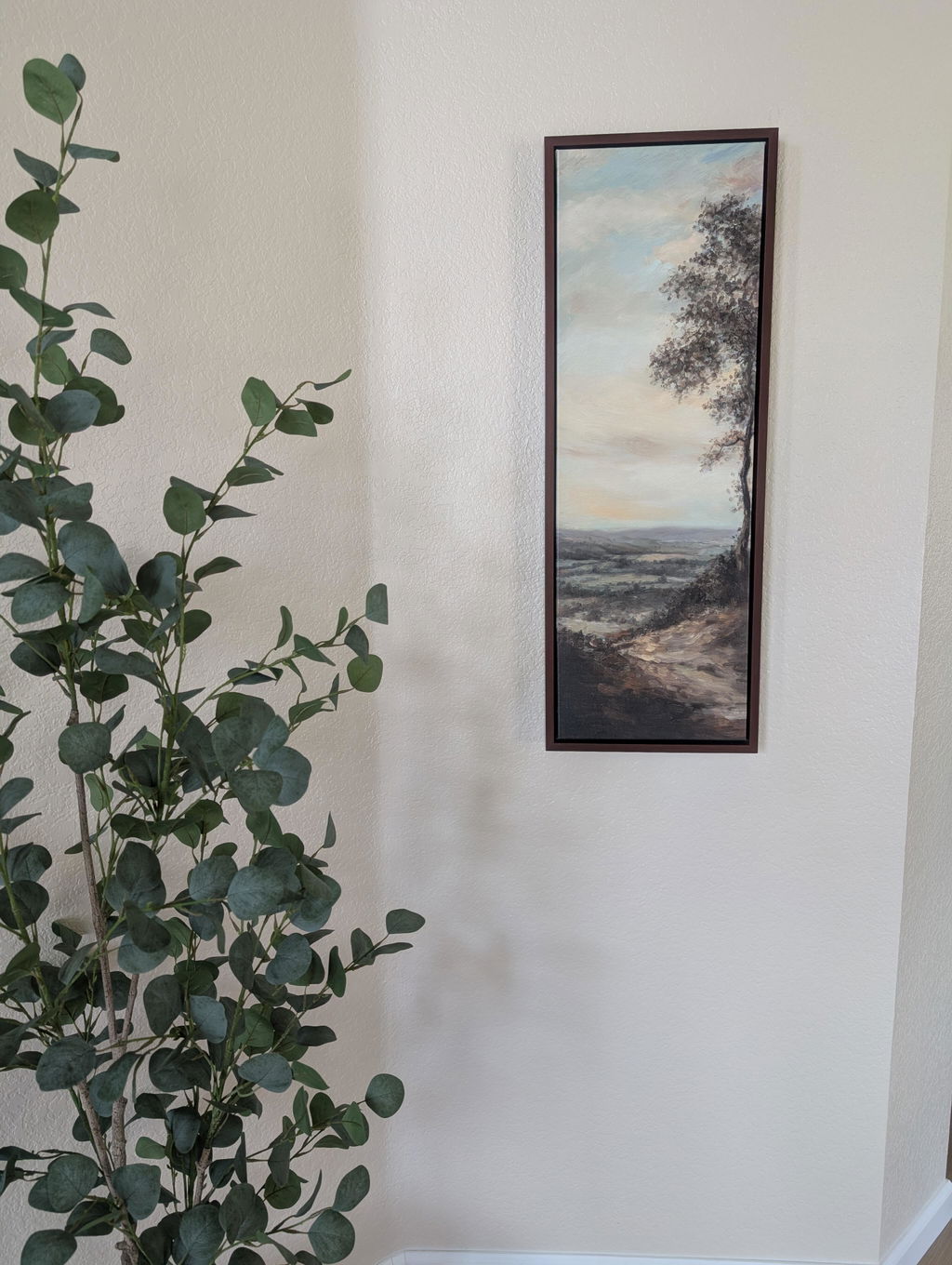
Beautiful picture for a narrow wall. The colors are prettier in person.
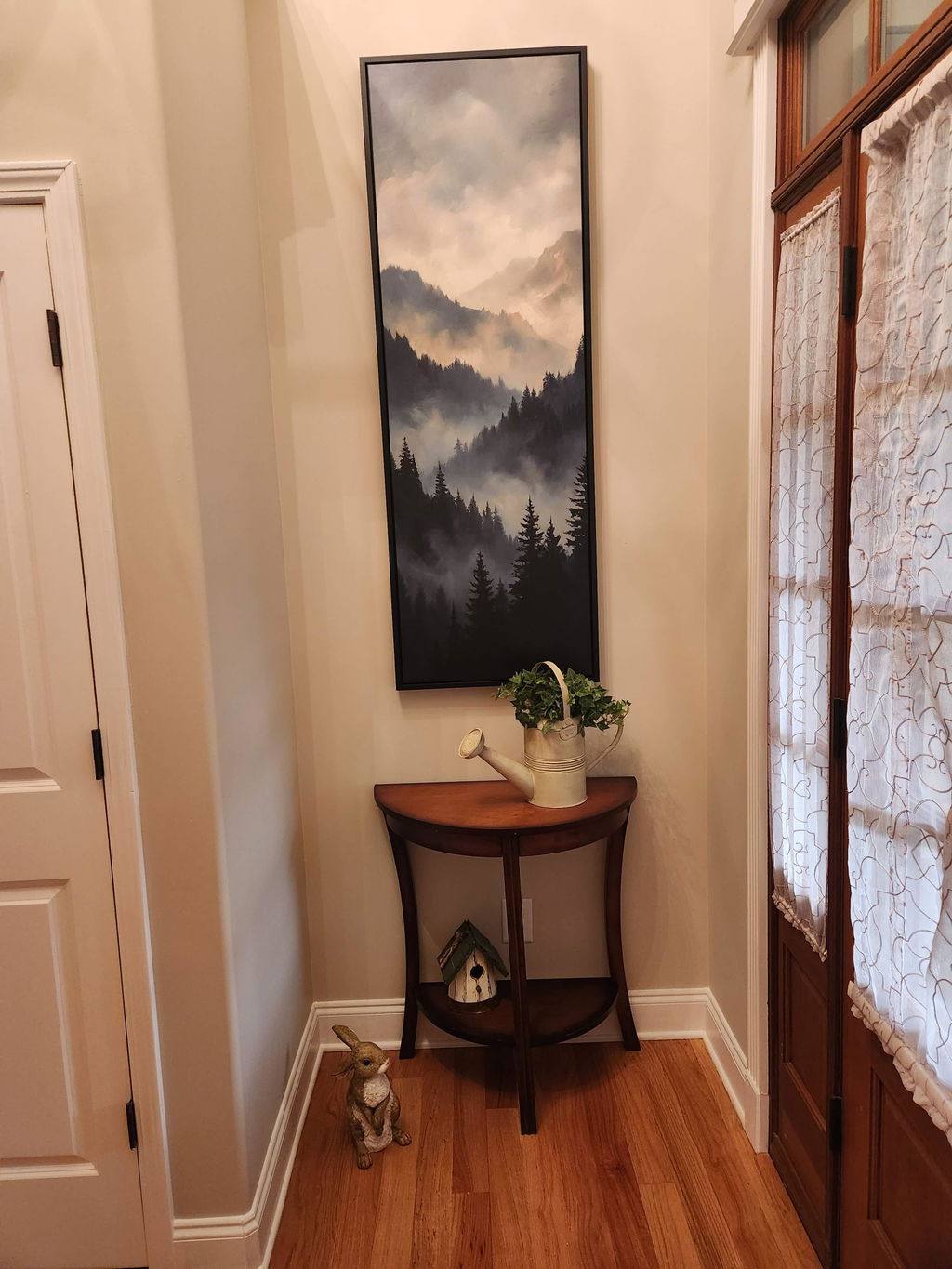
We received our print in a timely manner. Upon unpacking, we noticed a bulge in the canvas and some lines in the canvas and imprint from the wood that goes across in the back. I reached out and the company sent another one that came perfect. It is now displayed in our foyer and looks great!
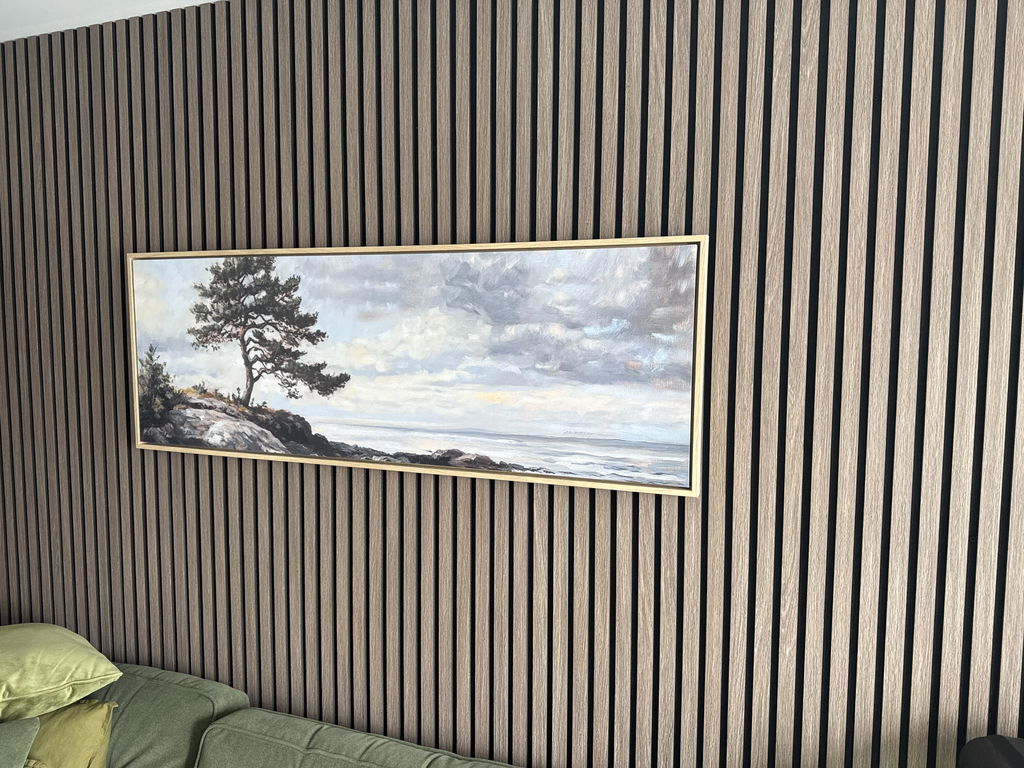
Beautiful, just as I wanted, excellent framing and a swift delivery
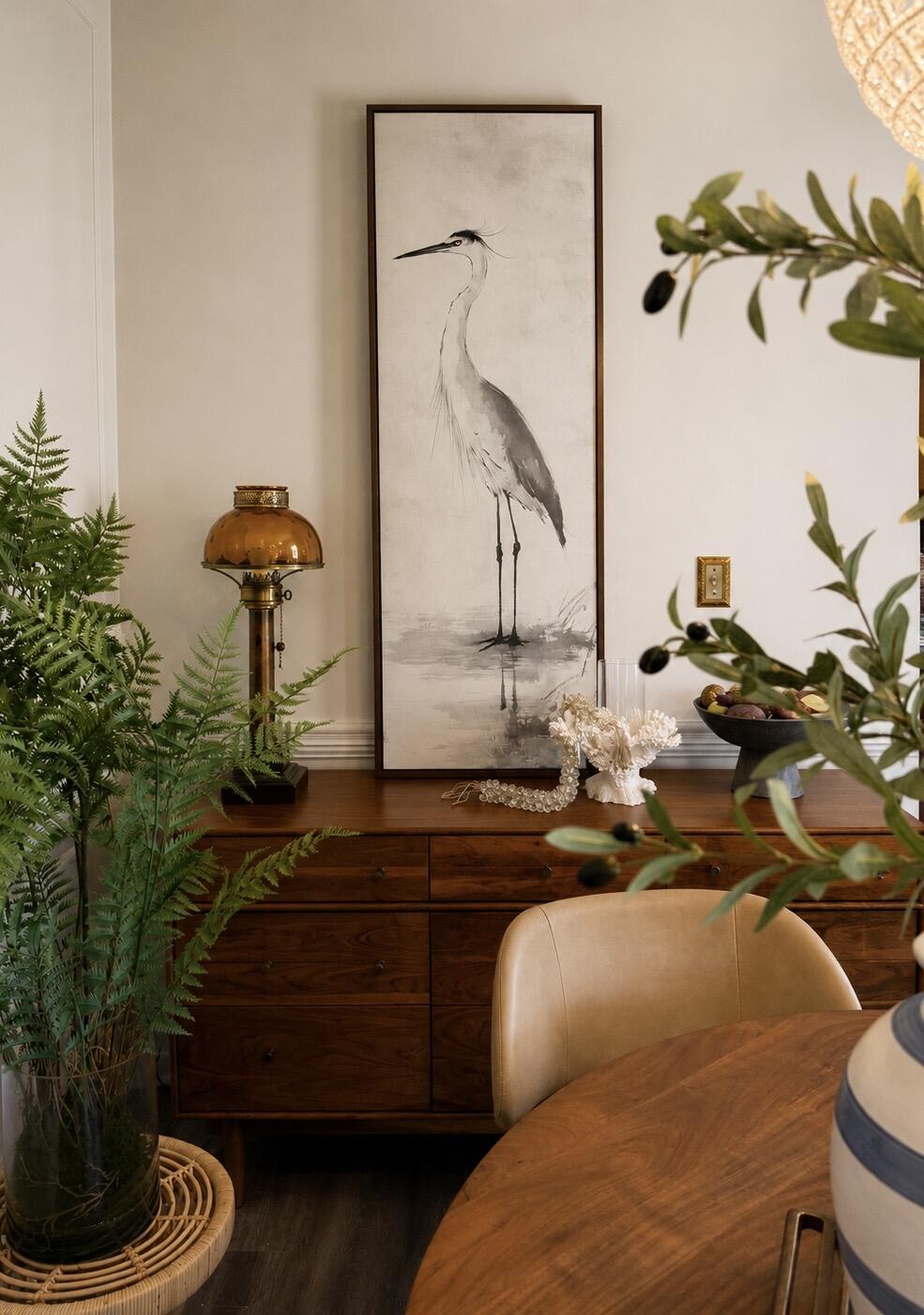
The perfect statement piece. The graceful heron, soft neutral palette, and walnut floating frame brought warmth and serenity to our dining room. It feels elegant, timeless, and collected rather than trendy. The quality is exceptional and the artwork looks even more beautiful in person than online. I love it so much, that I’m going to order another!
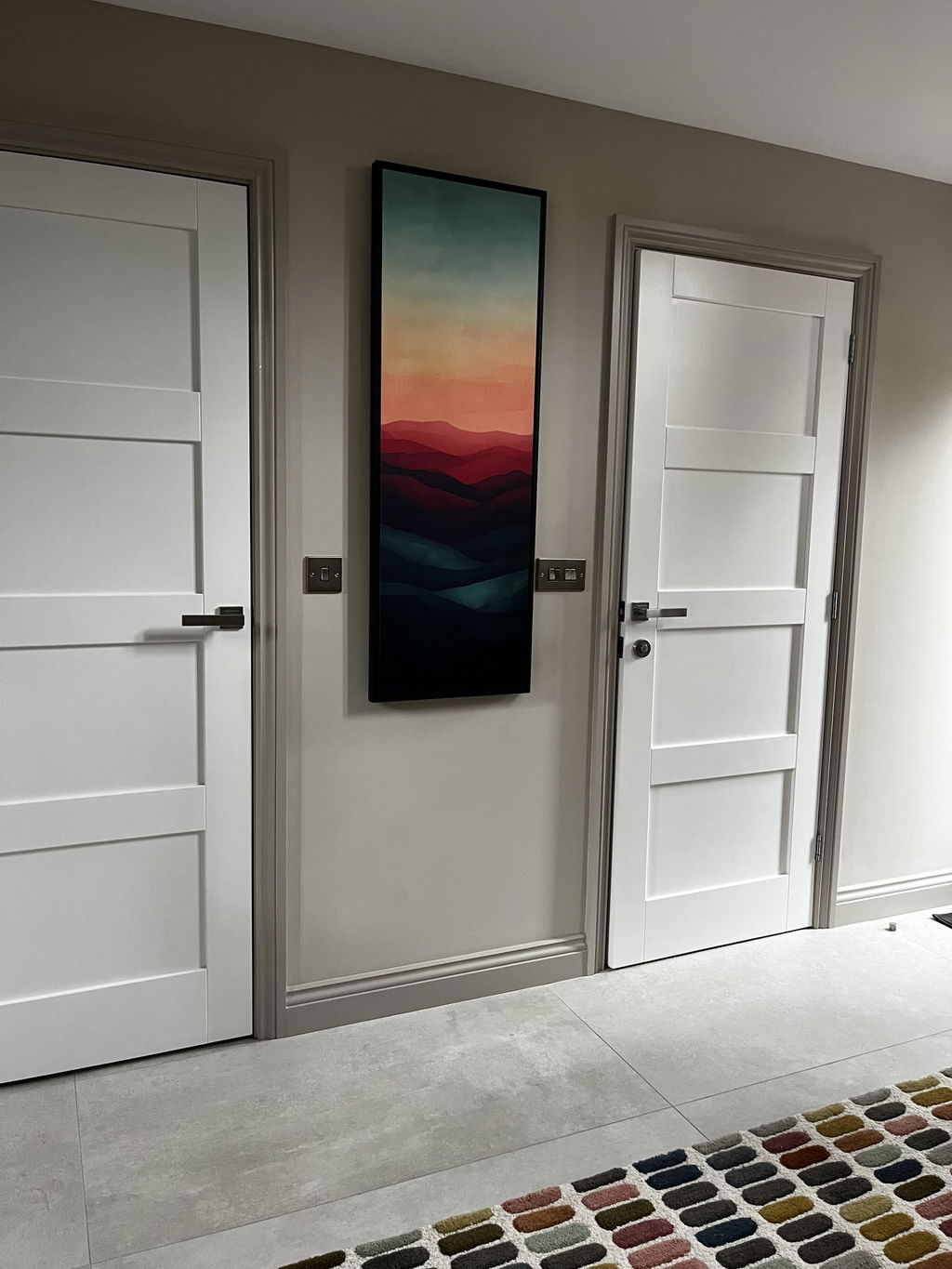
I’m over the moon with my beautiful Sunset wall art. It finishes off my hallway and has received so many compliments from visitors.
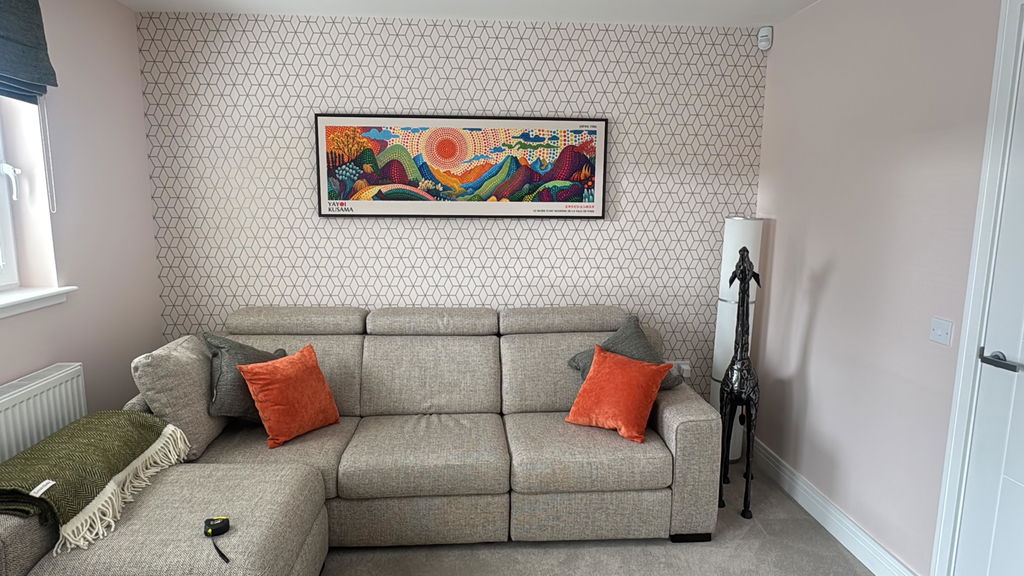
Second piece bought now and both are great. Exactly as described and very well packaged for transit.
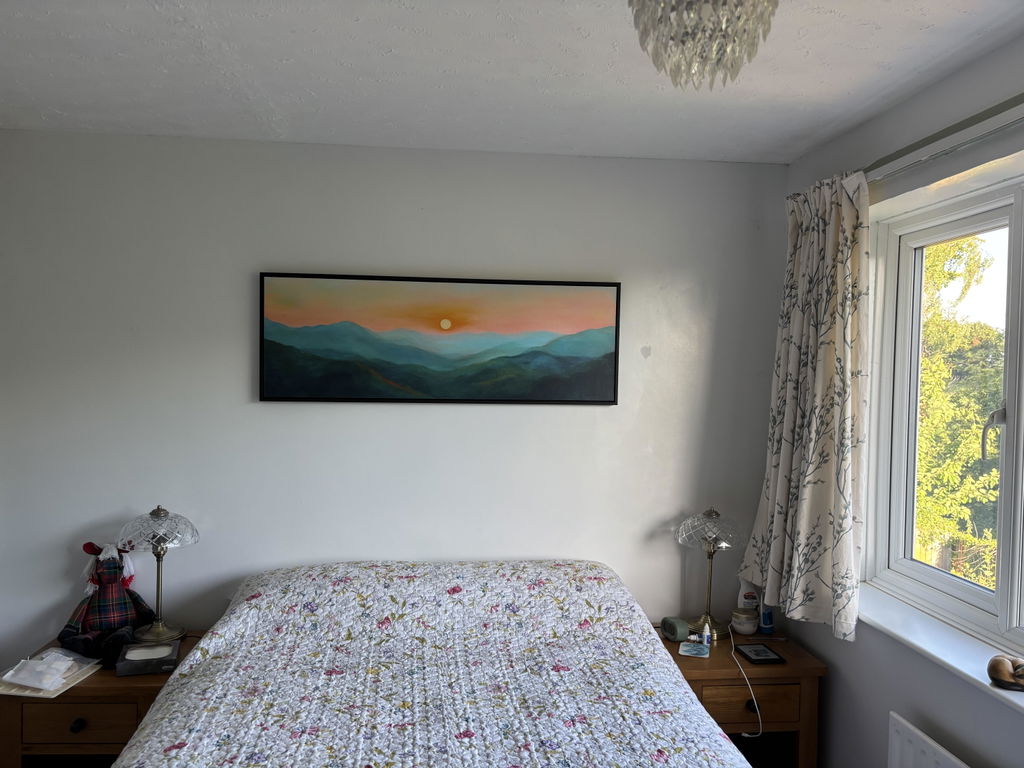
I love the quality and styling of the print, I was unsure about buying something so big without seeing it but I am very happy with the product. The colours are true to the image and the effect with the floating frame is perfect. I would buy again from Atelier, I trust the product and delivery was quick considering it was a specific design, size and frame.
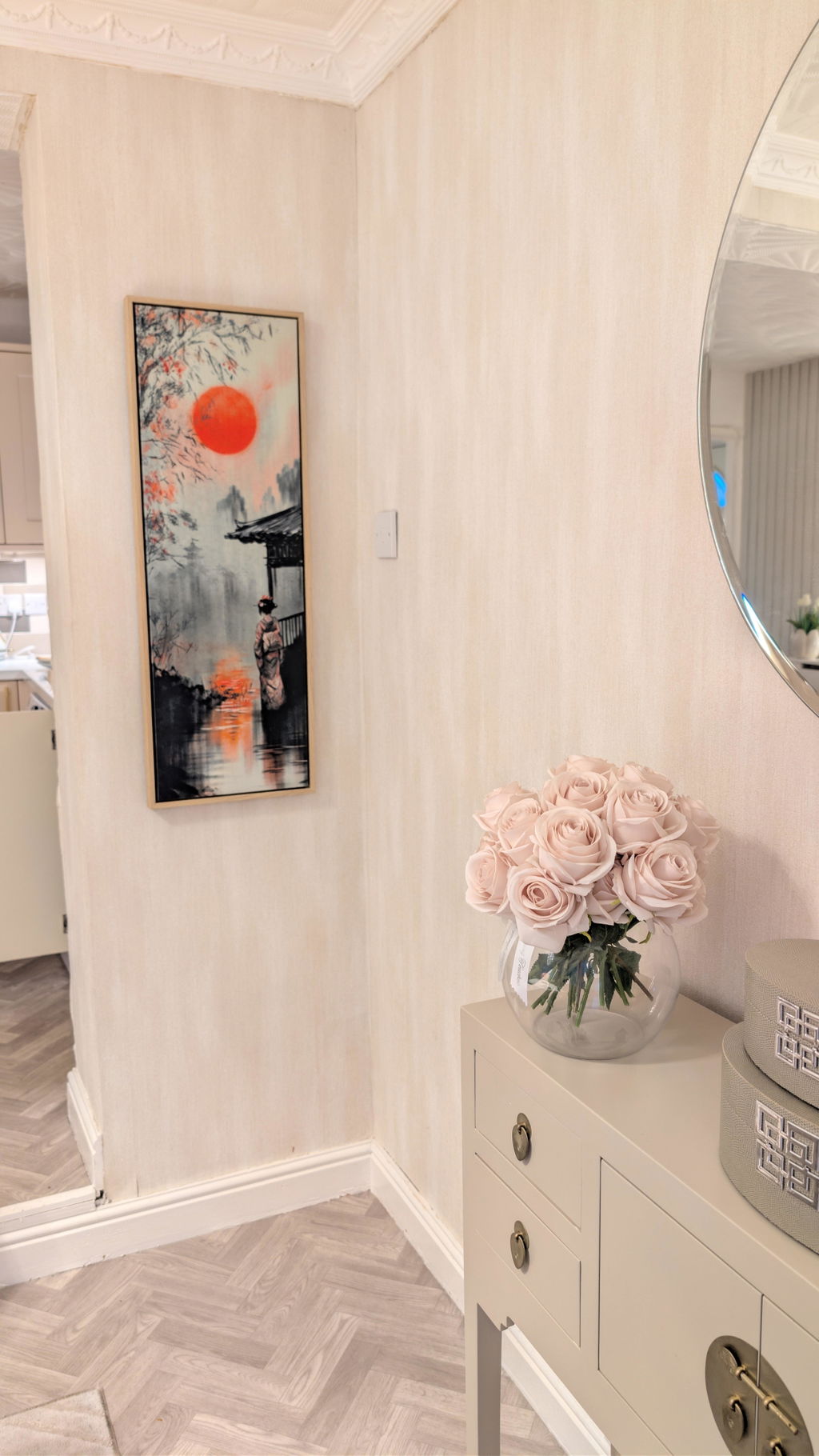
I bought the 30 x 90 canvas with a floating canvas frame in the colour wood and I couldn't be happier with it. Great quality, well packaged. Highly recommend.
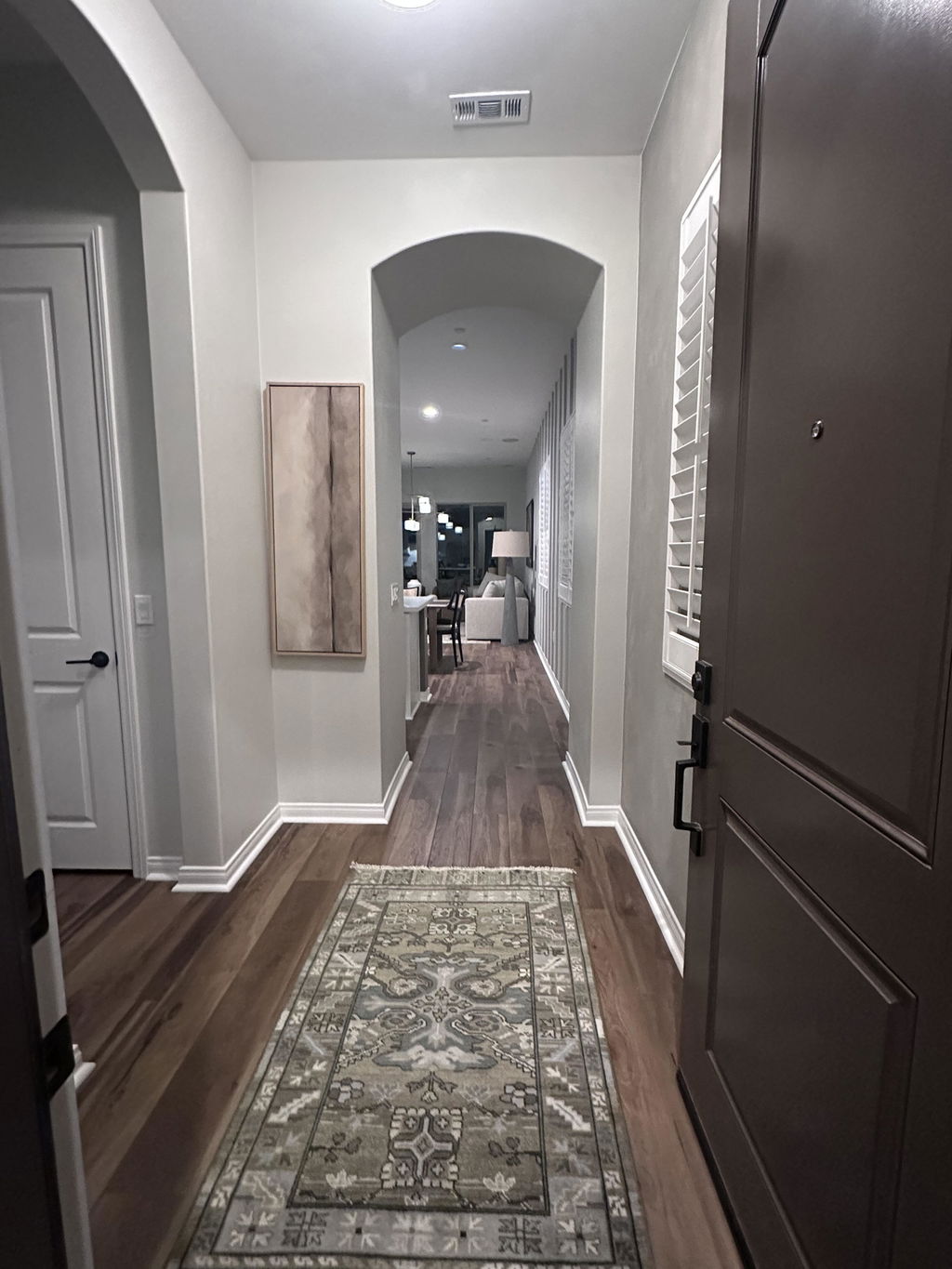
This artwork brought just the right look to my entry that I was trying to achieve. It’s beautiful and calming and in a beautiful quality frame.
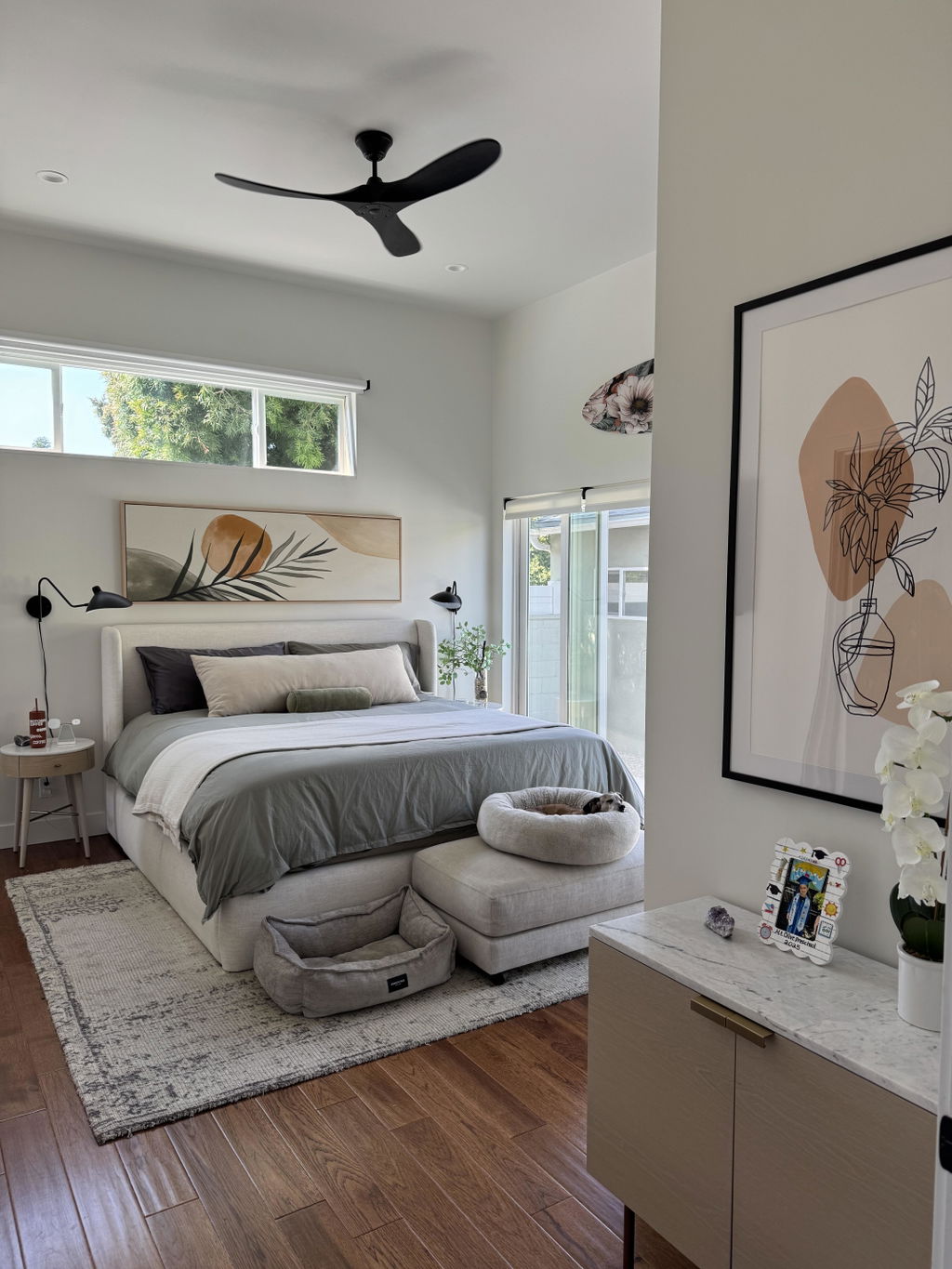
Better than presented online. We love it. Super high quality framing and hardware.
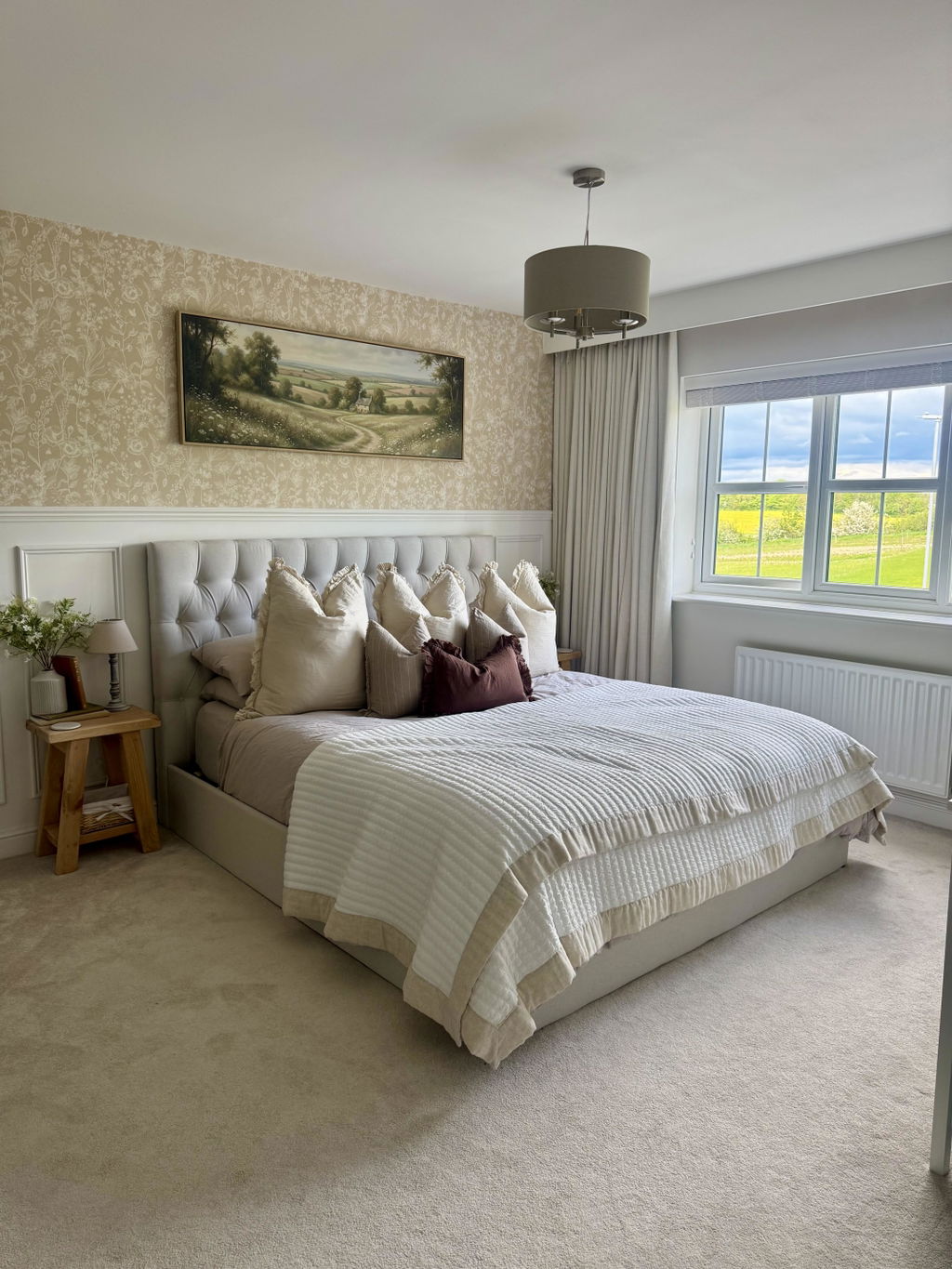
Beautiful artwork! So impressed with the quality, it looks absolutely stunning.
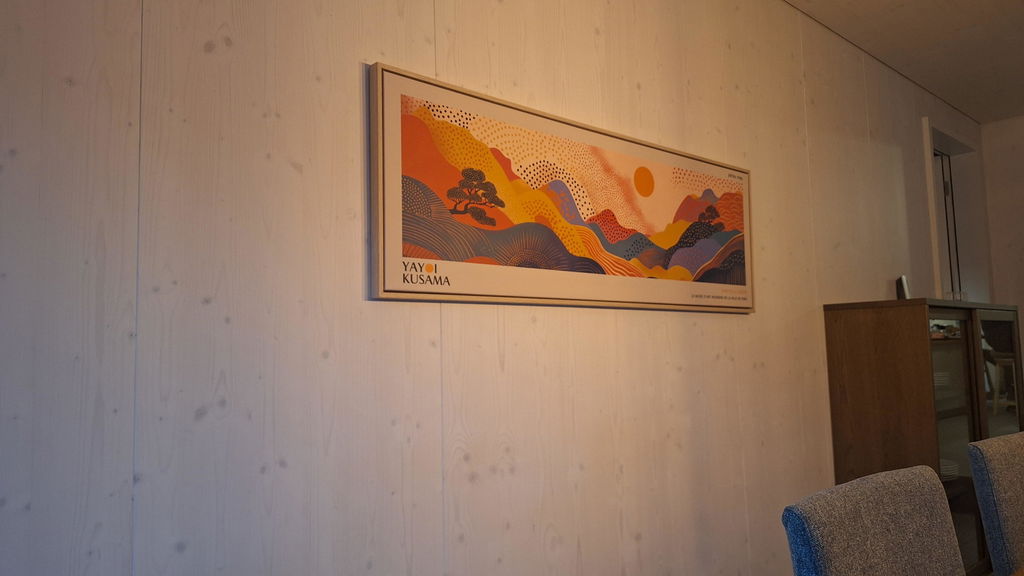
Beautiful!