


Geometrische wanddecoratie en patronen
Geometrische wanddecoratie en wandkunst met patronen in lange, smalle formaten – ingelijste canvasprints opgebouwd rond heldere vormen, herhaling en balans. Geometrie leent zich uitstekend voor een langwerpig canvas: vormen hebben de ruimte om zich over de breedte te herhalen of over de hoogte uit te strekken, waardoor het geheel gestructureerd en niet druk oogt.
Hier vind je composities uit het midden van de twintigste eeuw, bogen en cirkels, rasters en kleurvlakken, evenals herhalende patronen in zowel ingetogen als uitgesproken kleurpaletten. Een breed horizontaal werk brengt orde aan op de muur boven een bank of dressoir, terwijl een hoge verticale print ritme toevoegt aan een hal, trappenhuis of thuiskantoor. Misschien vind je ook onze Bauhaus-collectie leuk.
Elk kunstwerk wordt op bestelling gemaakt in verschillende formaten, als opgespannen canvas of in een zwevende of klassieke lijst in zwart, wit, eiken, walnoot of goud, en wordt klaar om op te hangen geleverd.


Geometric and pattern wall art - frequently asked questions
Afmetingen, ophanghoogte en de vragen die ons het vaakst worden gesteld.
What is geometric wall art?
Geometric wall art is built from shapes rather than subjects - circles, arcs, grids, colour blocks and repeating patterns. Because there is nothing to recognise, the composition works through balance and repetition, which is why it sits so comfortably on a long canvas: the forms can repeat across a width or climb a height without needing a centre.
What is mid-century modern wall art?
Mid-century modern refers to the design language of roughly the 1940s to 1960s - clean lines, organic curves, arches and circles, in warm muted palettes of mustard, teal, burnt orange and cream. In wall art it usually means simplified geometric compositions rather than anything literal, which is why it overlaps heavily with abstract and Bauhaus.
Does geometric wall art work in a traditional home?
Yes, in the muted palettes. A geometric composition in clay, sage or off-white reads as calm and architectural rather than as a modern intrusion, and it can sit well against period features. It is the high-contrast primary-colour pieces that fight a traditional room - keep those for a modern space or a home office.
What size geometric wall art should you choose?
Larger rather than smaller, because repetition needs room. A pattern that reads as rhythmic at 20"x60" (50x150cm) can read as fussy at 8"x24" (20x60cm), where the shapes crowd each other. Above a sofa or bed, 20"x60" (50x150cm), 24"x72" (60x180cm) or 30"x60" (75x150cm) - the last gives repeating shapes the most room of any size we make. On a narrow hallway wall, 12"x36" (30x90cm) vertical is the practical minimum.
Is geometric art too bold for a bedroom?
It depends on the palette, not the pattern. A geometric piece in soft clay, sage or off-white is no more stimulating than an abstract wash and works perfectly well above a bed. Bold primaries and high-contrast black-and-white grids are better placed in a hallway, home office or living room where you want the wall to have energy.


Laat je inspireren
Onze kunstwerken, jouw muren
Bekijk hoe onze klanten Ateliér Printworks stukken in hun huizen stylen. Van smalle gangen tot opvallende muren, deze ruimtes laten zien hoe de juiste verhoudingen het verschil maken.
Let customers speak for us
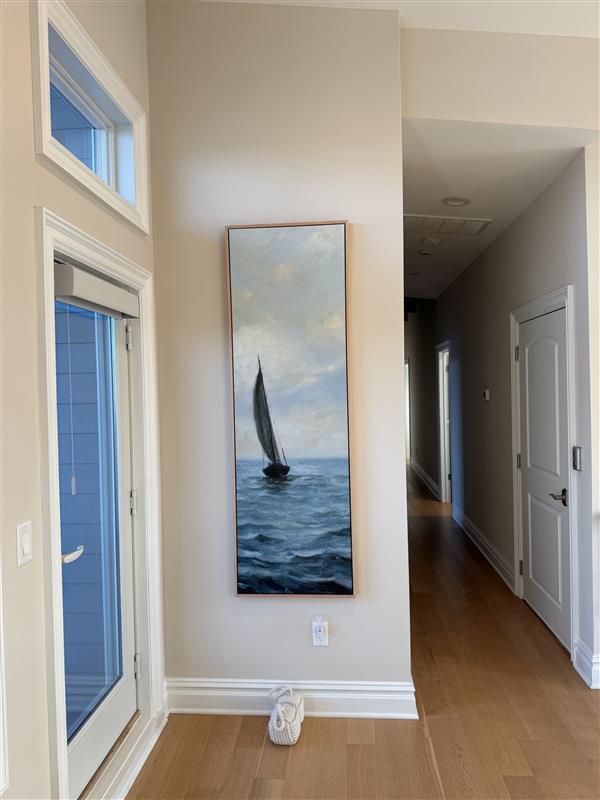
Love this piece! Fit the tall narrow wall exactly as we had hoped. Very impressed with the sturdiness of the piece itself, and the packing/shipping was done professionally.
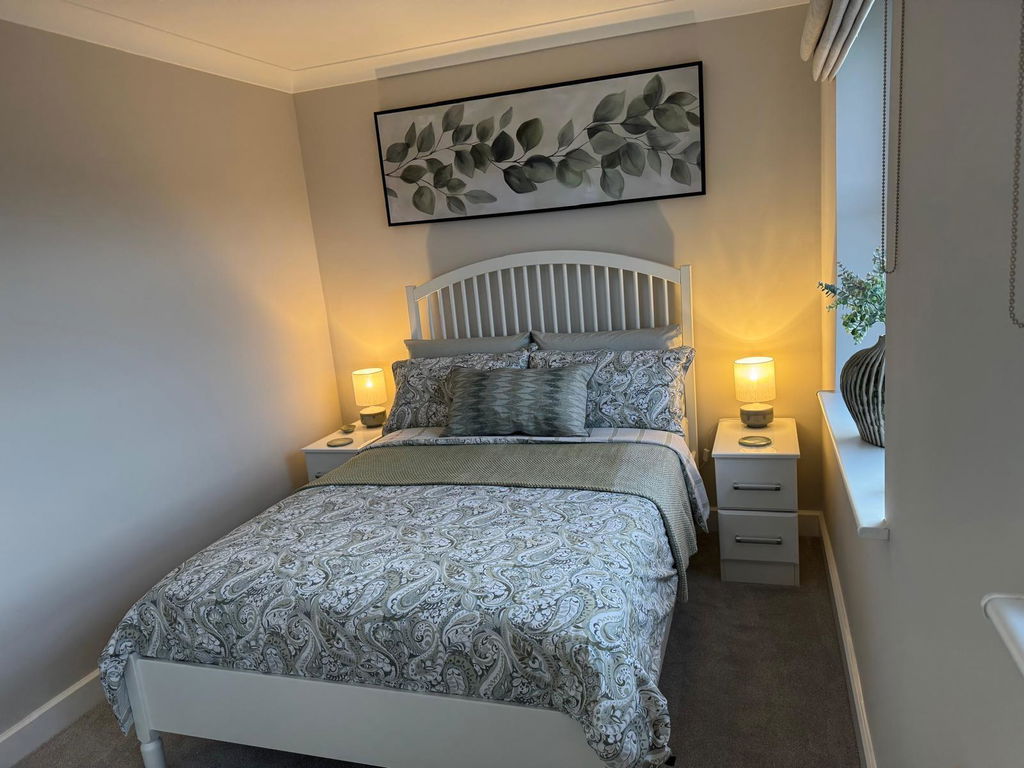
Excellent service, picture looks amazing and arrived very quickly and was very well packaged. Easy to install on the wall and looks superb..
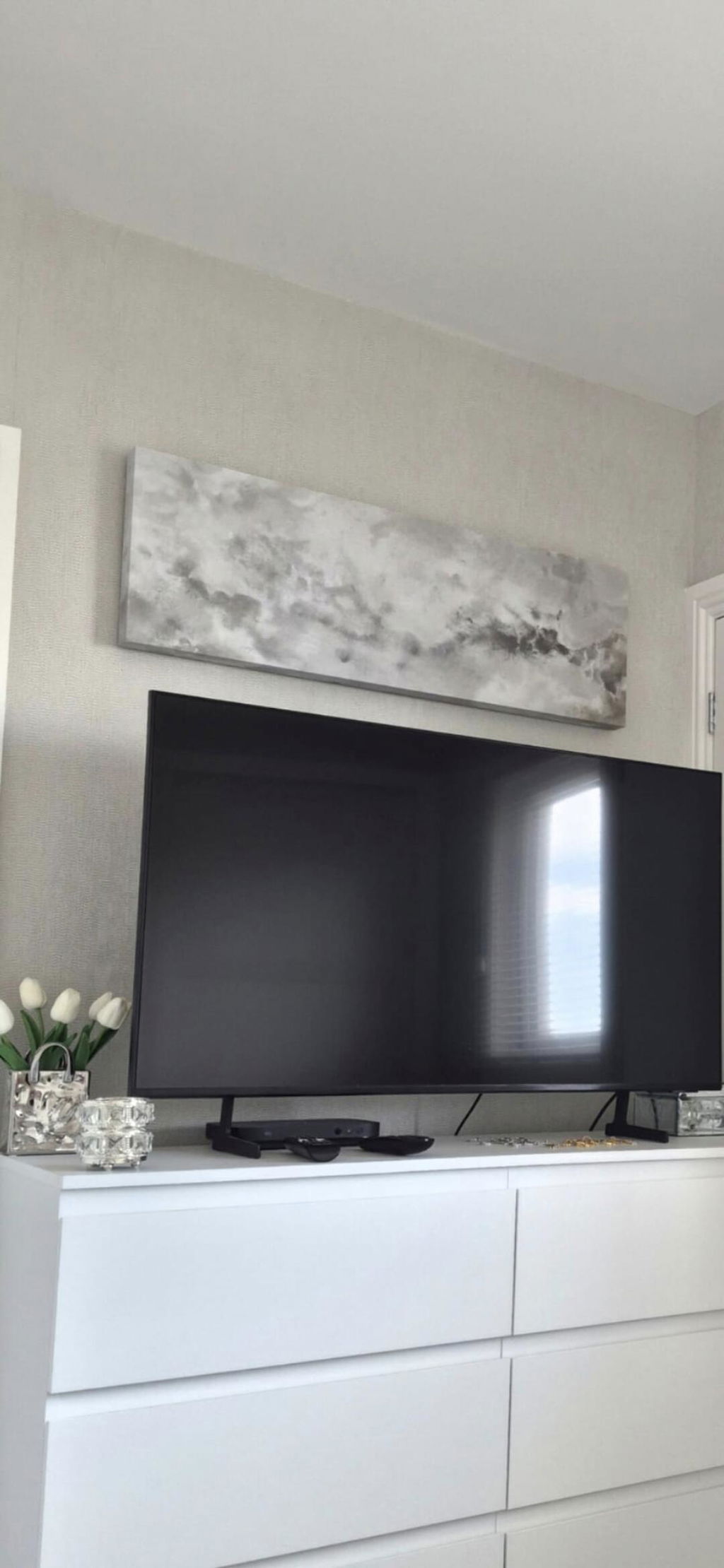
Lovely picture, great quality and supernatural delivered. Would definitely recommend
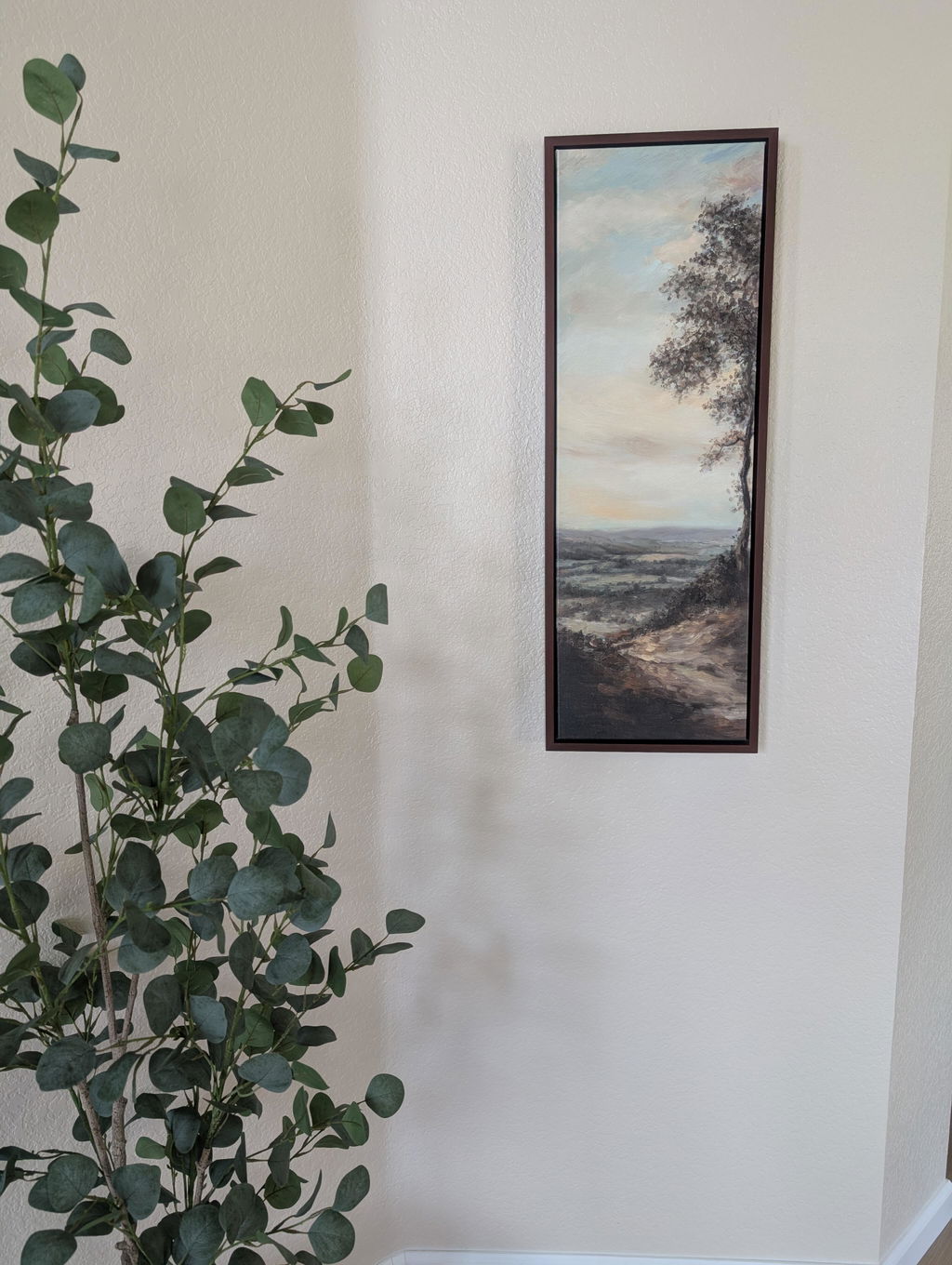
Beautiful picture for a narrow wall. The colors are prettier in person.
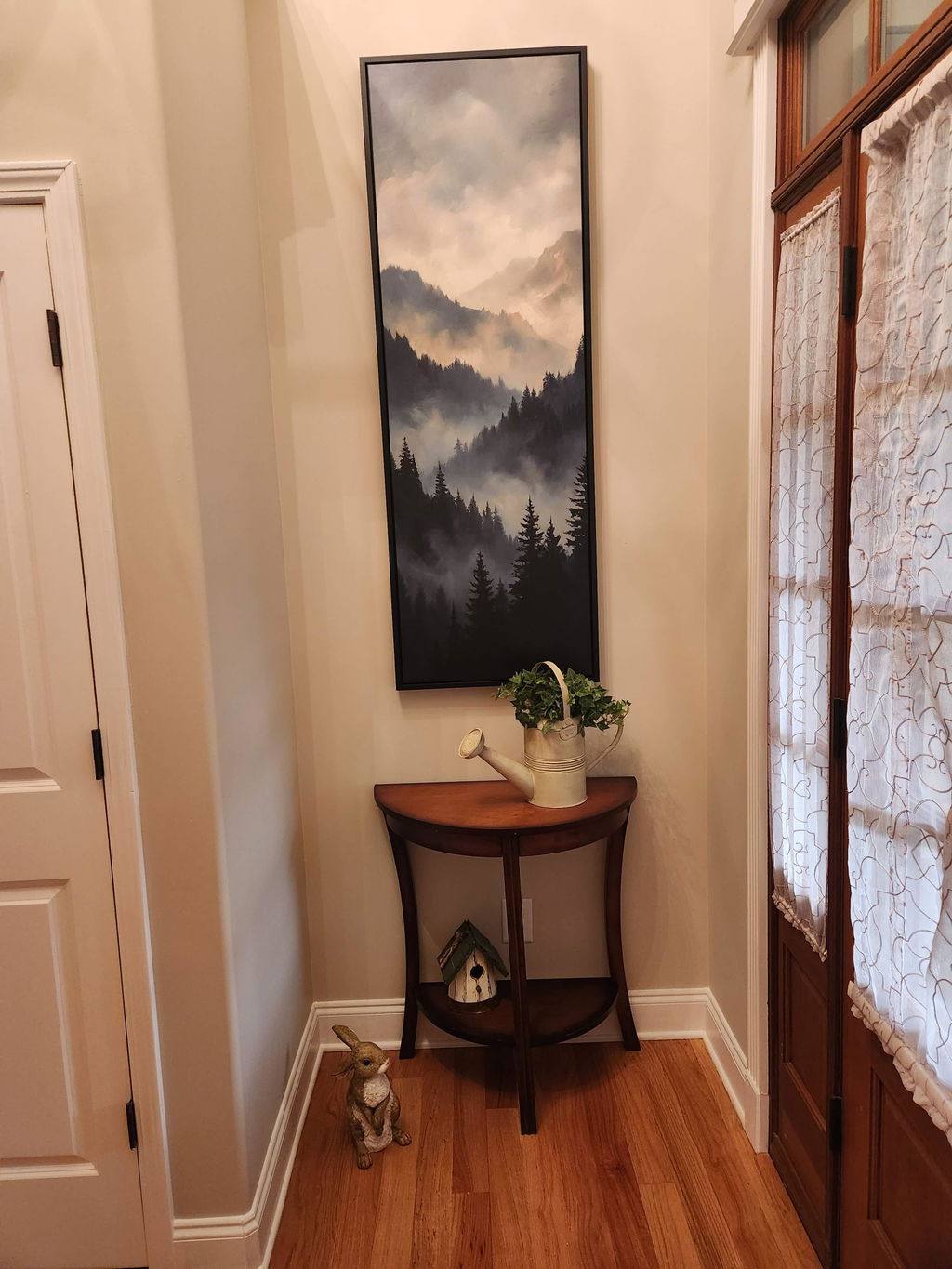
We received our print in a timely manner. Upon unpacking, we noticed a bulge in the canvas and some lines in the canvas and imprint from the wood that goes across in the back. I reached out and the company sent another one that came perfect. It is now displayed in our foyer and looks great!
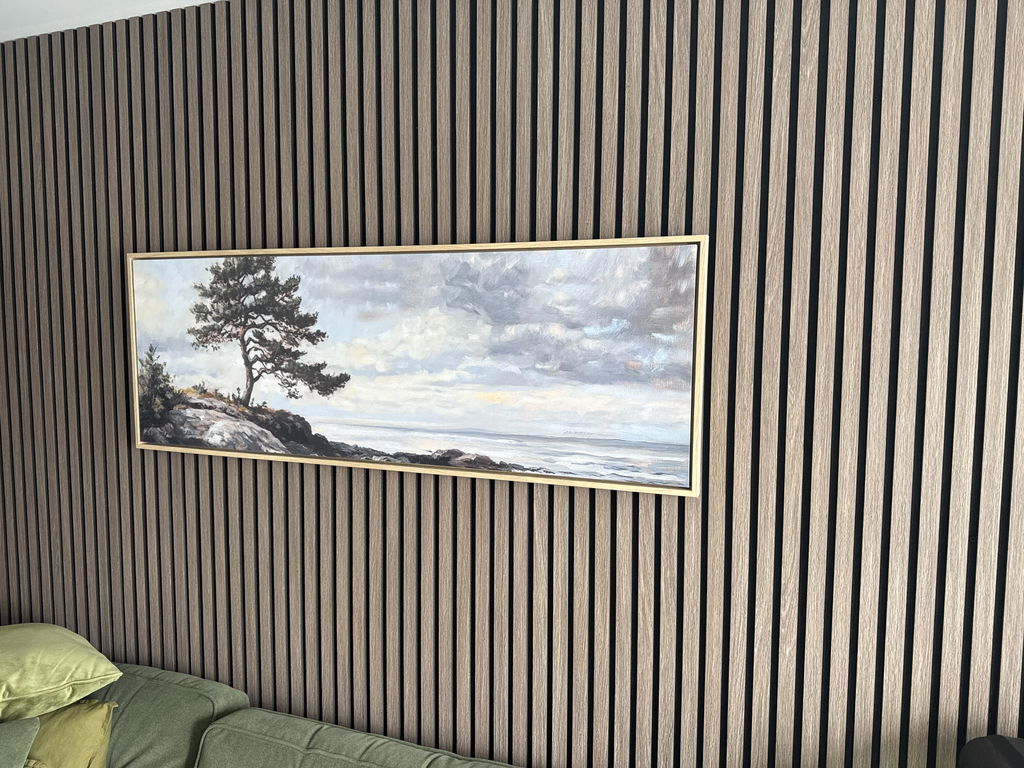
Beautiful, just as I wanted, excellent framing and a swift delivery
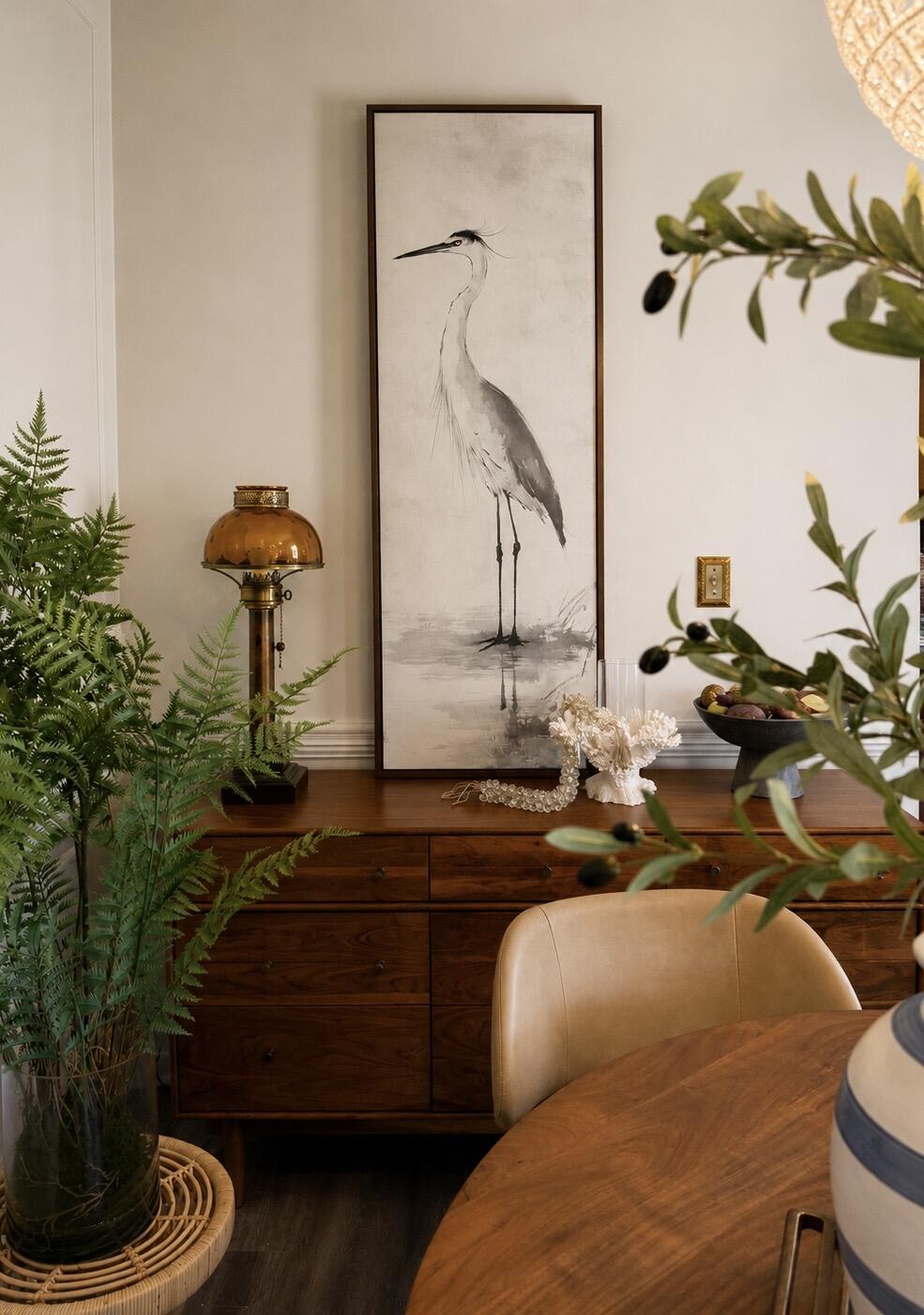
The perfect statement piece. The graceful heron, soft neutral palette, and walnut floating frame brought warmth and serenity to our dining room. It feels elegant, timeless, and collected rather than trendy. The quality is exceptional and the artwork looks even more beautiful in person than online. I love it so much, that I’m going to order another!
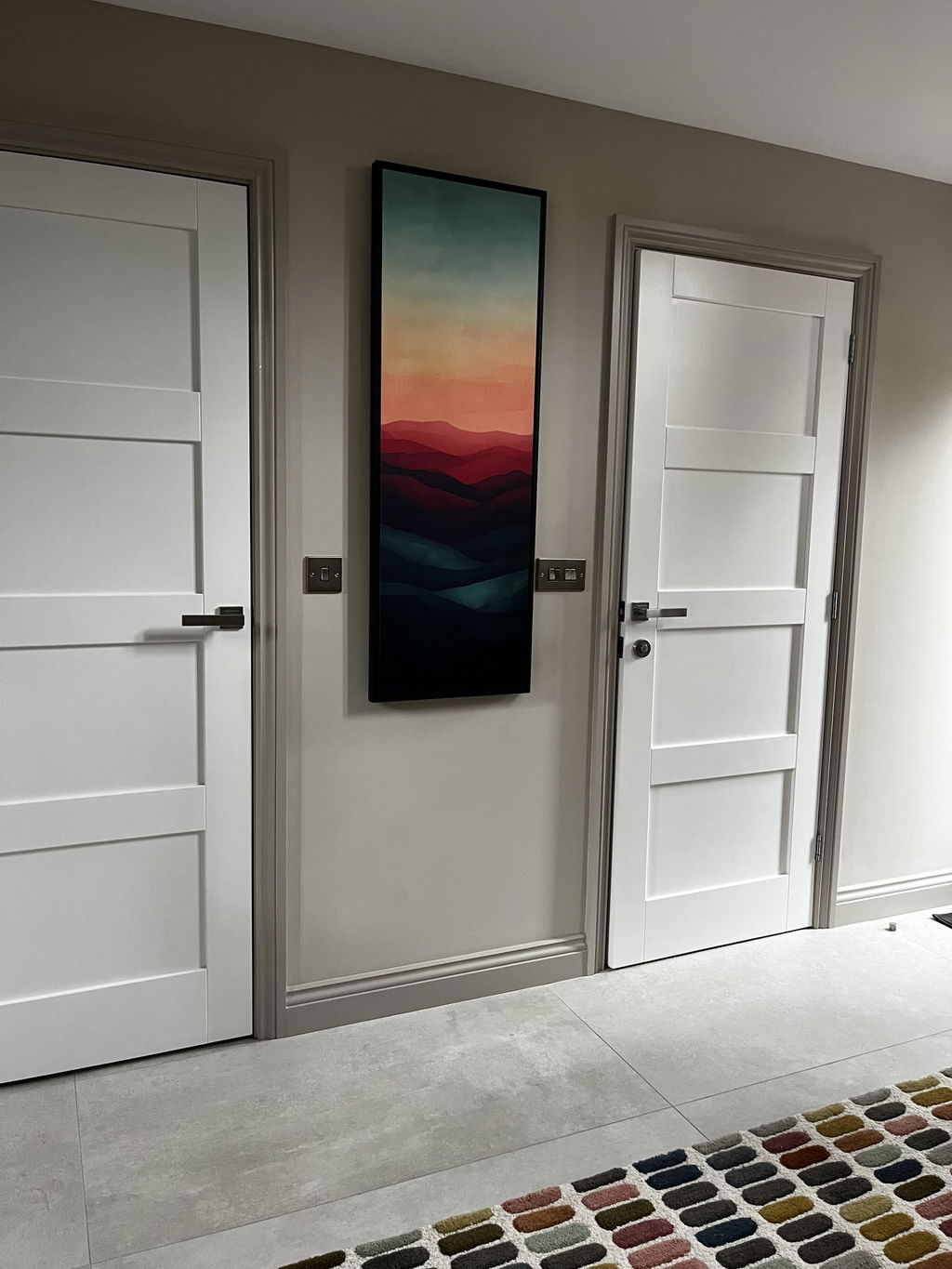
I’m over the moon with my beautiful Sunset wall art. It finishes off my hallway and has received so many compliments from visitors.
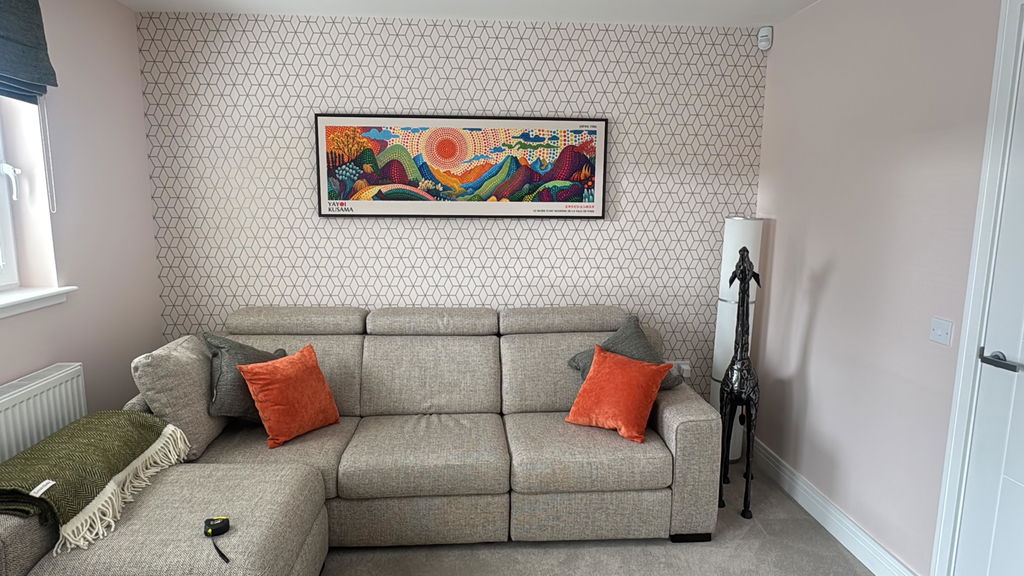
Second piece bought now and both are great. Exactly as described and very well packaged for transit.
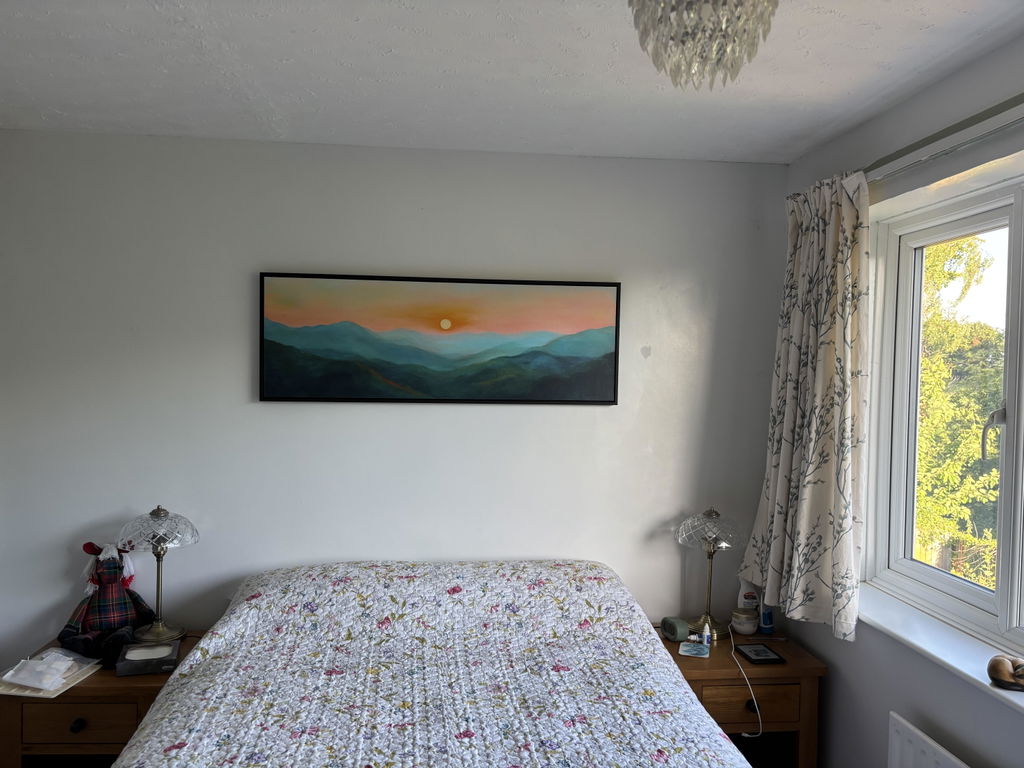
I love the quality and styling of the print, I was unsure about buying something so big without seeing it but I am very happy with the product. The colours are true to the image and the effect with the floating frame is perfect. I would buy again from Atelier, I trust the product and delivery was quick considering it was a specific design, size and frame.
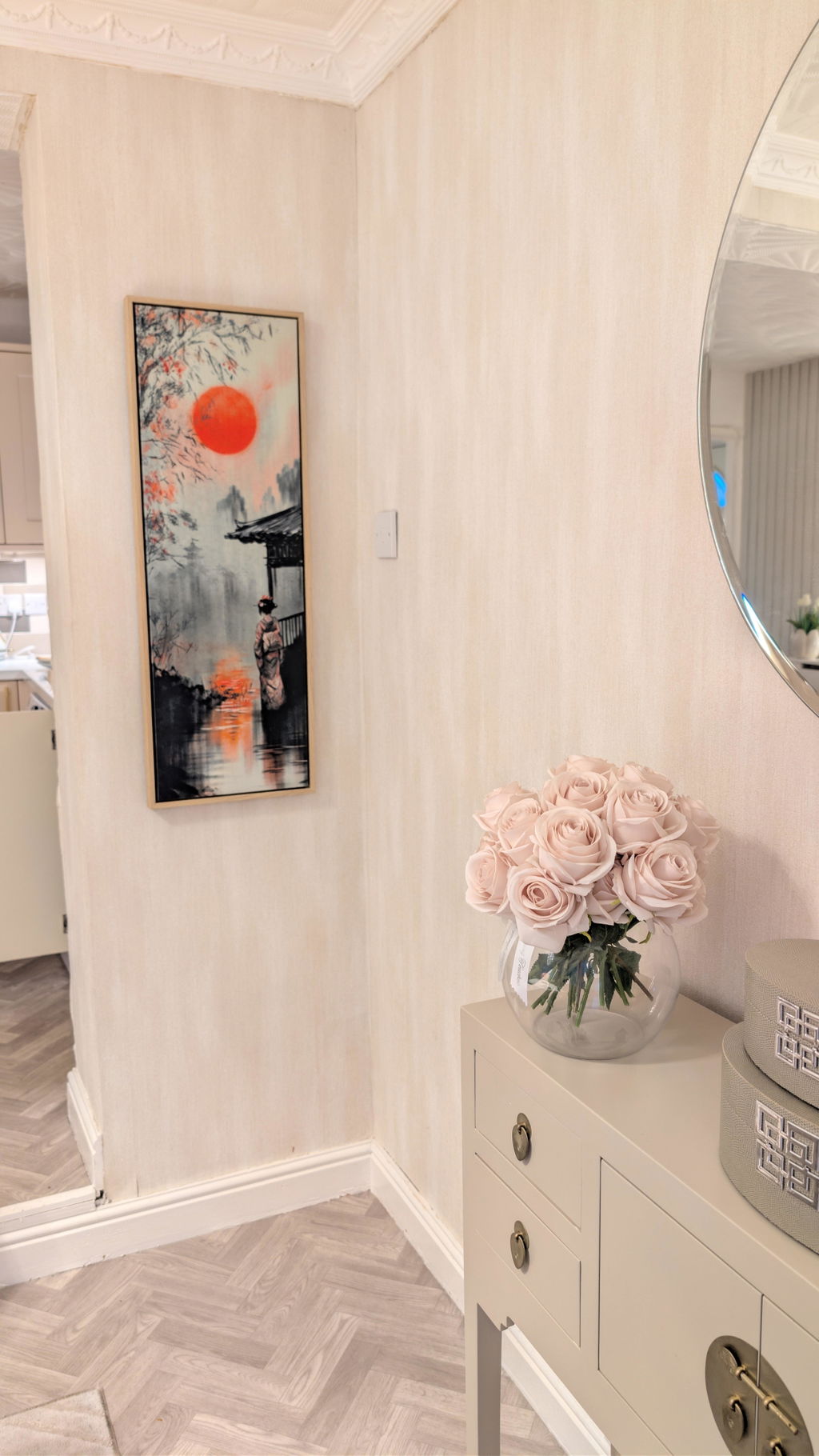
I bought the 30 x 90 canvas with a floating canvas frame in the colour wood and I couldn't be happier with it. Great quality, well packaged. Highly recommend.
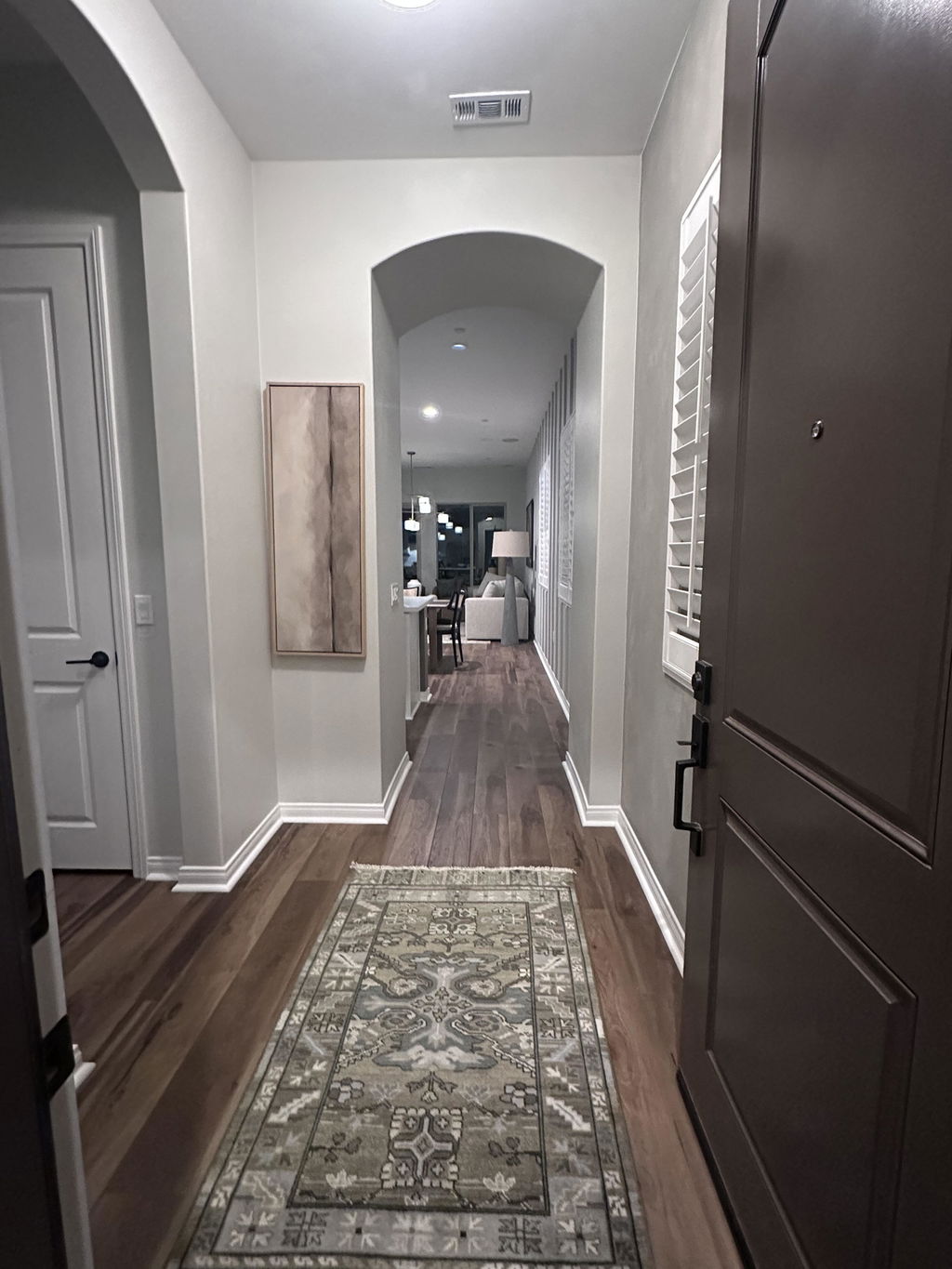
This artwork brought just the right look to my entry that I was trying to achieve. It’s beautiful and calming and in a beautiful quality frame.
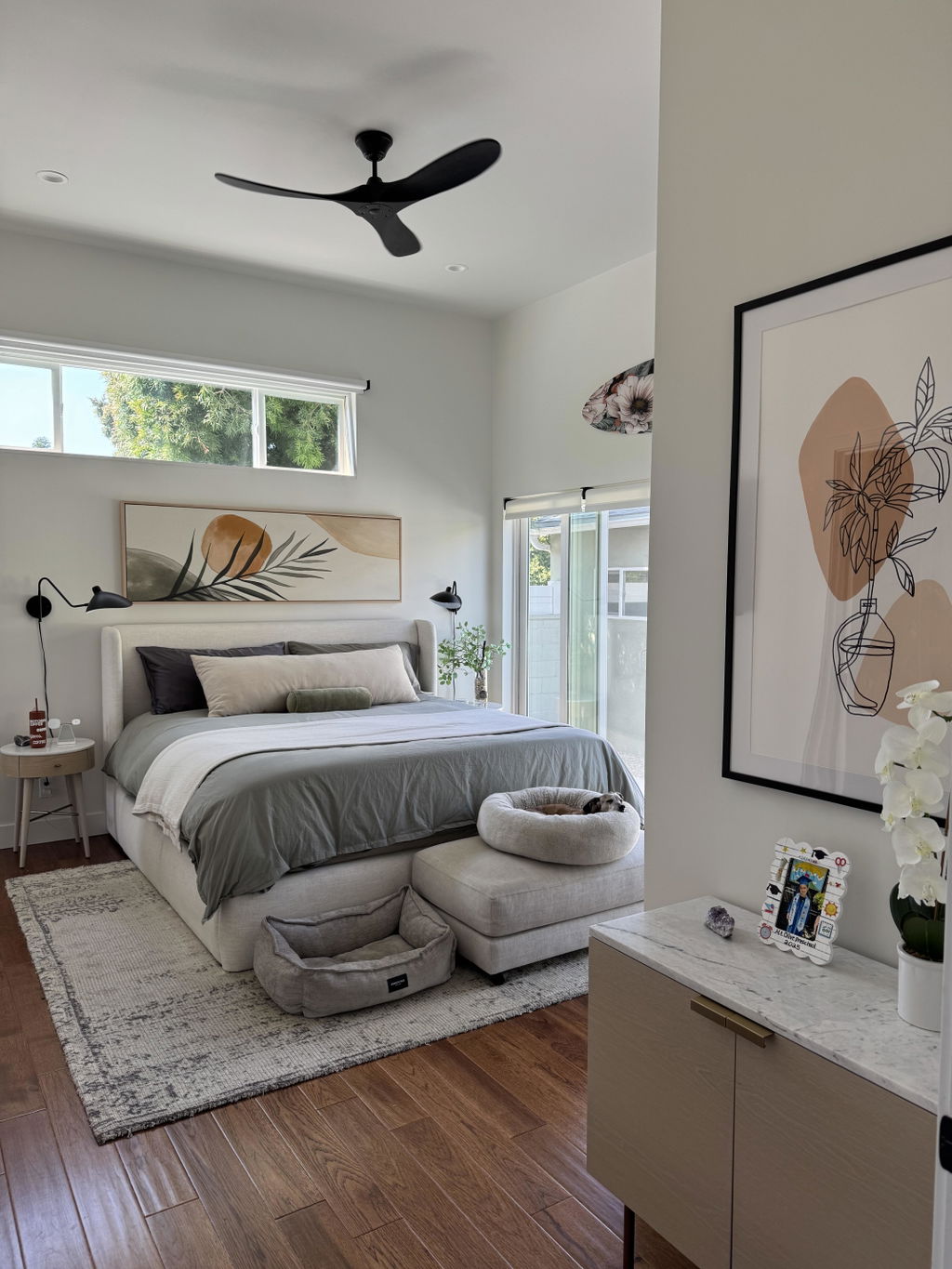
Better than presented online. We love it. Super high quality framing and hardware.
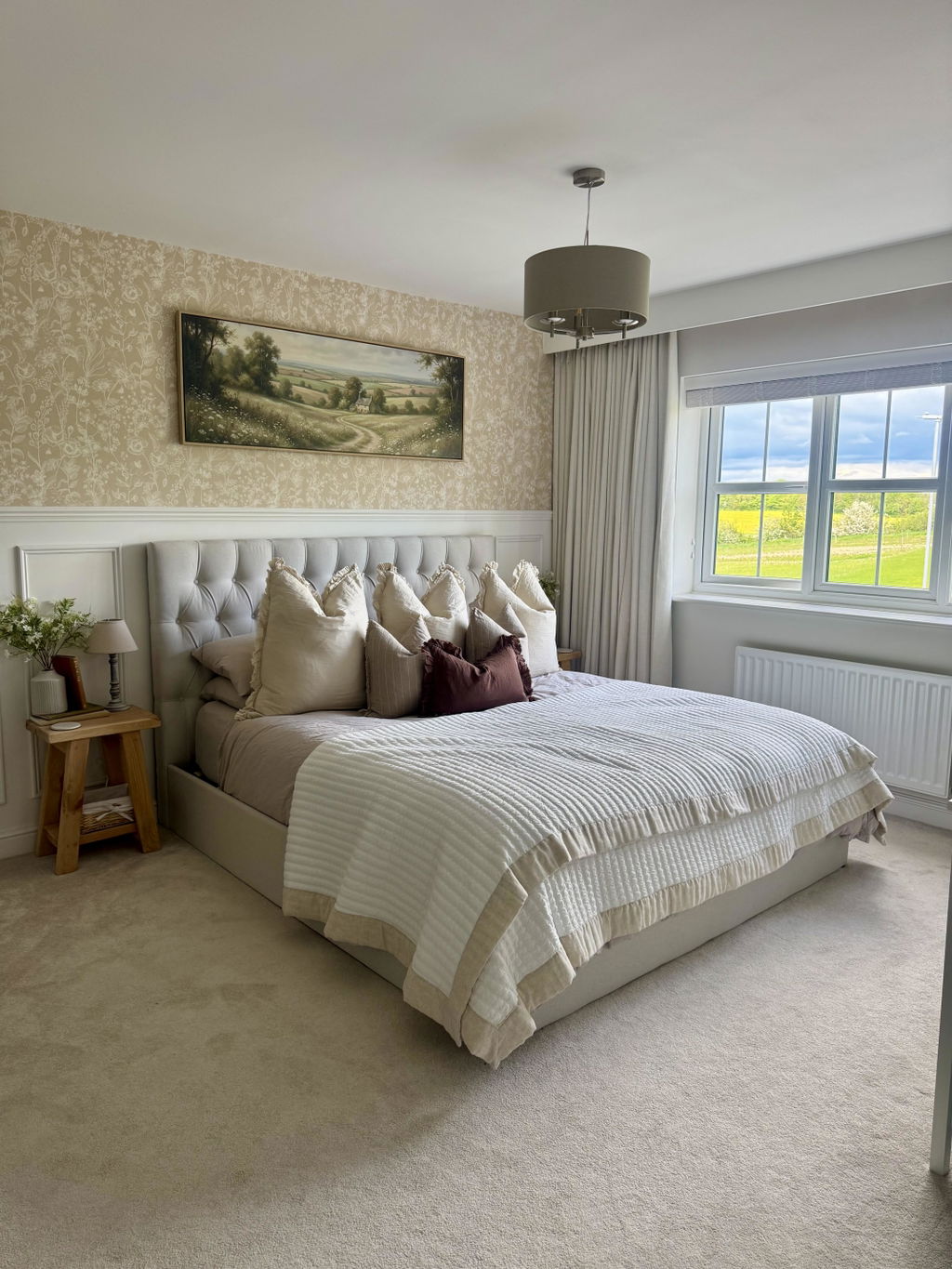
Beautiful artwork! So impressed with the quality, it looks absolutely stunning.
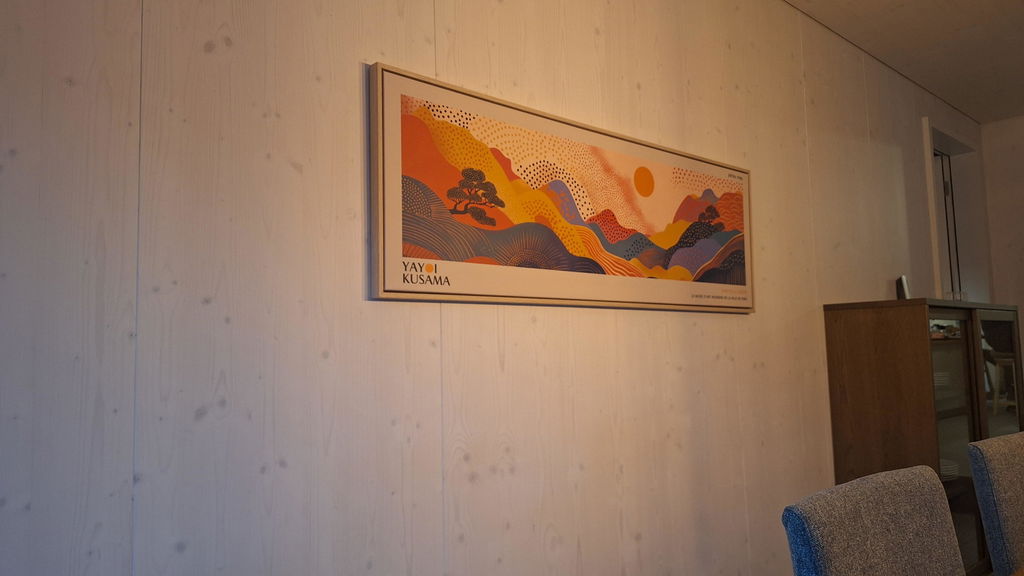
Beautiful!